New Canada tariffs put Alaska import costs on watch list
New White House trade actions will add 50 percent duties to selected Canadian goods beginning Aug. 19. Alaska importers and construction buyers are on notice, though major Alaska-linked categories such as energy and many already-tariffed metals are carved out.
President Donald Trump signed three proclamations on July 20 under Section 338 of the Tariff Act of 1930. The orders say Canada has discriminated against U.S. commerce in motor vehicles, alcoholic beverages and dairy. They direct U.S. Customs and Border Protection to collect the new duties on listed Canadian products entered for consumption after 12:01 a.m. Eastern time on Aug. 19.
The annexes, not the proclamation headlines, control the product list. The listed goods include Portland cement, some articles of cement, alcoholic beverages, and ice hockey and field hockey equipment. The proclamations also exclude several categories. Those include products already covered by Section 232 tariffs, civil aircraft articles, many vehicle and vehicle-part categories, wood products, semiconductor articles and patented pharmaceuticals.
That makes the Alaska effect narrower than a general Canada tariff headline would suggest. Canadian energy is not an obvious target in these proclamations. The records reviewed do not show a new tariff on Canadian fish as a broad Alaska seafood issue.
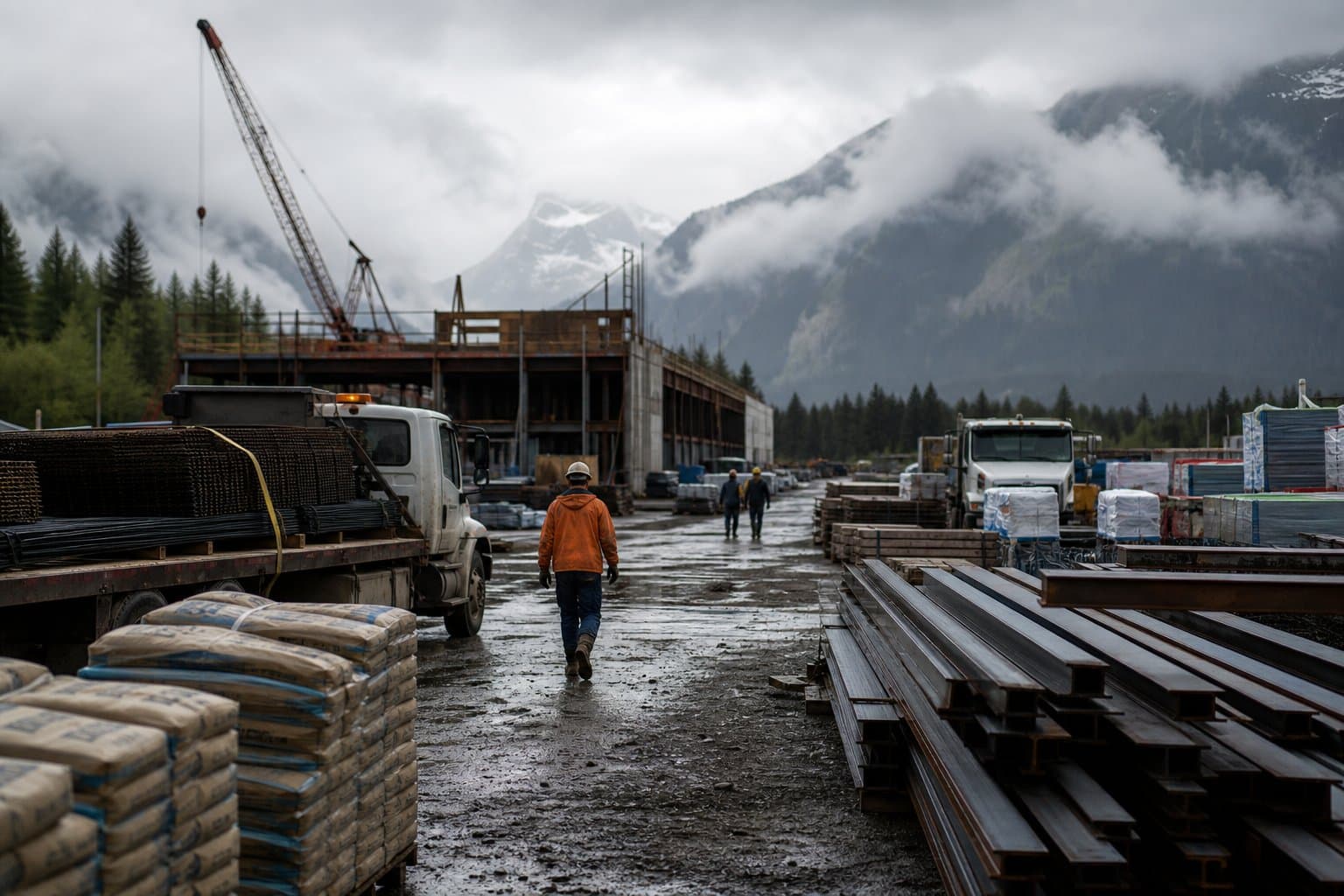
The practical Alaska question sits farther down the supply chain. It is whether listed Canadian goods, especially construction inputs such as Portland cement or finished cement articles, move into Alaska projects or through Alaska suppliers in enough volume to affect bid prices, freight costs or project estimates. The federal records do not answer that local price question on their own.
A separate action by the U.S. Trade Representative on July 23 adds another layer. USTR finalized Section 301 tariffs tied to forced-labor import-ban enforcement across 60 economies. Canada is among the countries assigned a 10 percent tariff rate. Countries without a forced-labor import ban generally face 12.5 percent. USTR said the action applies to most imports from covered countries, but the notice includes extensive product exemptions.
Those exemptions matter. USTR said exempted goods include informational materials, donations, accompanied baggage, products subject to Section 232 tariffs, and other categories where tariffs could disrupt raw-material supply, economy-wide needs or products not available in sufficient domestic quantity.
For Alaska businesses, the near-term point is not that every Canadian product will cost more. Importers, contractors, retailers and equipment buyers may need to check the actual tariff subheadings before assuming a shipment is covered or exempt.
The Canada duties are scheduled to begin Aug. 19 unless the administration changes, reduces or terminates the actions before then.
AI-assisted, reviewed by editors. Spot an error?
Related Coverage
Alaska LNG faces tax competition from Canadian projects with federal support
Alaska News · 2mo ago · 74% match
Trump's farm package, and what it actually means for Alaska
Alaska News · 1mo ago · 74% match
Senate confirms Westercamp to trade court; both Alaska senators vote yes
Alaska News · 3d ago · 74% match
A pipeline wants to more than double its rates, and Alaska has a stake
Alaska News · 3w ago · 73% match
Alaska senators cast deciding votes to advance trade court nominee, 49-48
Alaska News · 1w ago · 73% match
Comments
Sign in to leave a comment.
No comments yet. Be the first to share your thoughts.