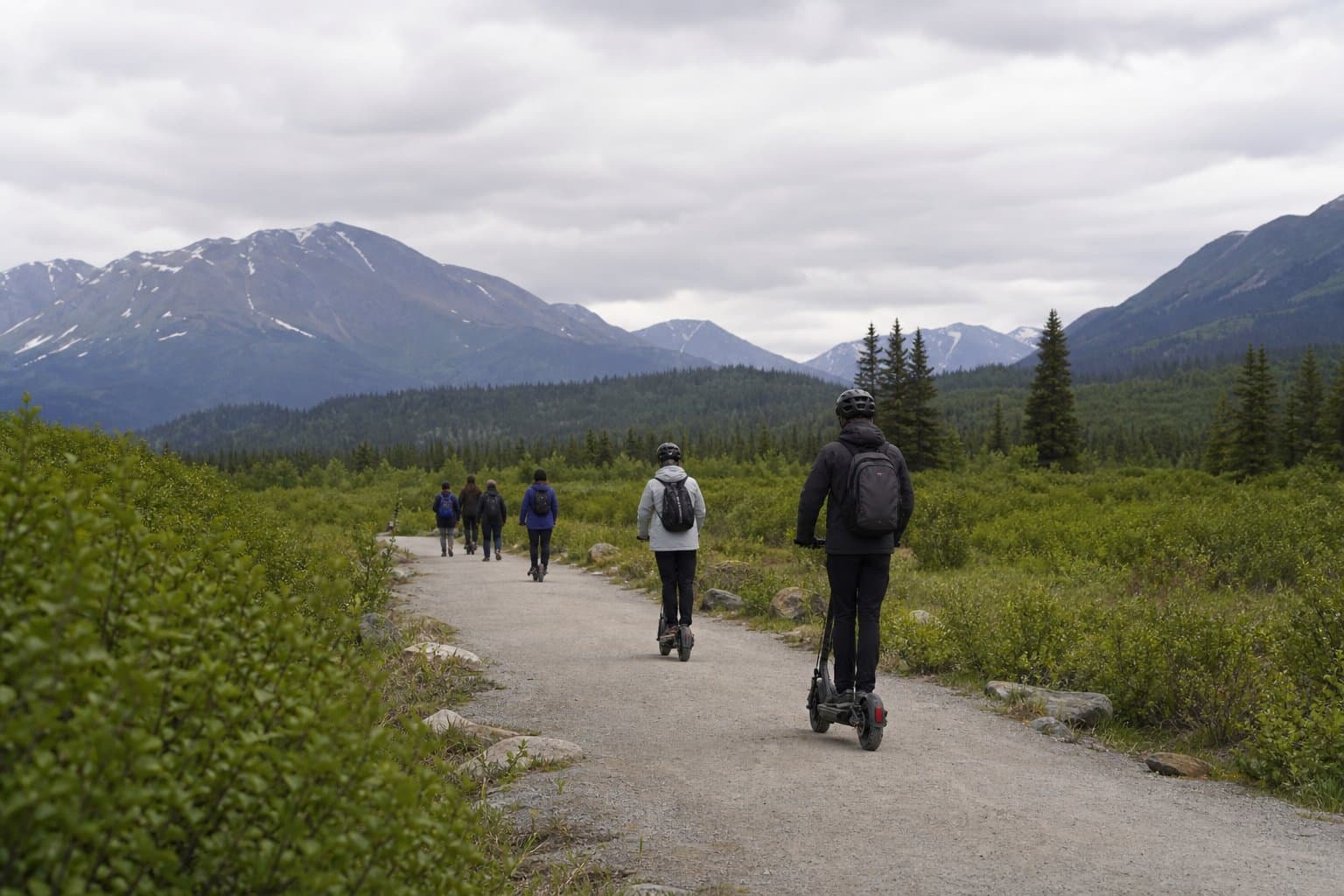
National Park Service e-scooter rule takes effect Sept. 11, with an Alaska layer
Starting Sept. 11, riders of electric scooters, hoverboards and Segways in national parks will be limited to the roads, paths, trails and other areas a park superintendent specifically designates. Even then, riders may use only improved surfaces such as pavement or gravel unless a park adopts additional rules. The devices remain barred in wilderness.
The rule is a distinct new framework, not an update to existing policy. The National Park Service's earlier rule on e-bikes took effect Dec. 2, 2020, and explicitly did not cover e-scooters or similar devices. That gap in coverage stood for nearly five years before this rule closed it.
For Alaska park units, this new framework lands on top of rules that do not apply in the Lower 48. Interior regulations at 43 CFR 36.11 implement section 1110(a) of the Alaska National Interest Lands Conservation Act and govern motor vehicle and nonmotorized surface transportation in park units here. The final rule states that "additional allowances apply to the use of motor vehicles in System units in Alaska" under those regulations.
The rule defines powered micromobility devices separately from motor vehicles, traditional bicycles, electric bicycles and human-powered coasting devices. The Society of Automotive Engineers classifies such devices as those with a top speed under 30 mph. The National Park Service says the rule does not affect federal law or policy on mobility aids used by people with disabilities, which remain governed by Director's Order #42.
Jessica Bowron, acting with the delegated authority of the NPS director, said in an agency statement quoted in coverage of the final rule on Aug. 11 that the framework "supports thoughtful, park-specific management decisions tailored to how these devices are being used by visitors."
For Alaska park visitors and recreation users, that flexibility cuts both ways. They gain clearer access rules for e-scooters, but only in the parks and areas superintendents choose to designate. Whether a device can be ridden on a park road, a paved or gravel path, or a trail will depend on unit-specific decisions rather than one universal national standard.
The rule is also one piece of a broader national shift in how public agencies regulate micromobility devices on shared-use paths, trails and protected lands. It fits into a wider debate over whether e-scooters are transportation devices to be accommodated or machines to be regulated more like motor vehicles.
The question of powered wheels on Alaska trails is already active. Alaska News previously covered Wrangell-St. Elias National Park and Preserve weighing a compendium change to let e-bikes park at the Kennecott shuttle bus turnaround, and a Juneau draft ordinance that would limit city trails to Class 1 e-bikes.
AI-assisted, reviewed by editors. Spot an error?
Stay informed. Support what matters.
Free, permanent access to local news you can verify. Subscribe to support Maggie AlaskaNews and go ad-free.
Related Coverage
Wrangell-St. Elias weighs letting e-bikes park at Kennecott
Alaska News · 4d ago · 79% match
Juneau may bar the fastest e-bikes from its trails — but not the most common ones
Alaska News · 3mo ago · 78% match
A Chugach e-bike rule became a fight over who belongs in the backcountry
Alaska News · 1mo ago · 78% match
Denali proposes a daily vehicle cap on its previously restricted road
Alaska News · 4w ago · 76% match
Rerouted trail restores hiker access to Root Glacier in Wrangell-St. Elias
Alaska News · 1w ago · 75% match
Comments
Sign in to leave a comment.
No comments yet. Be the first to share your thoughts.