AI image
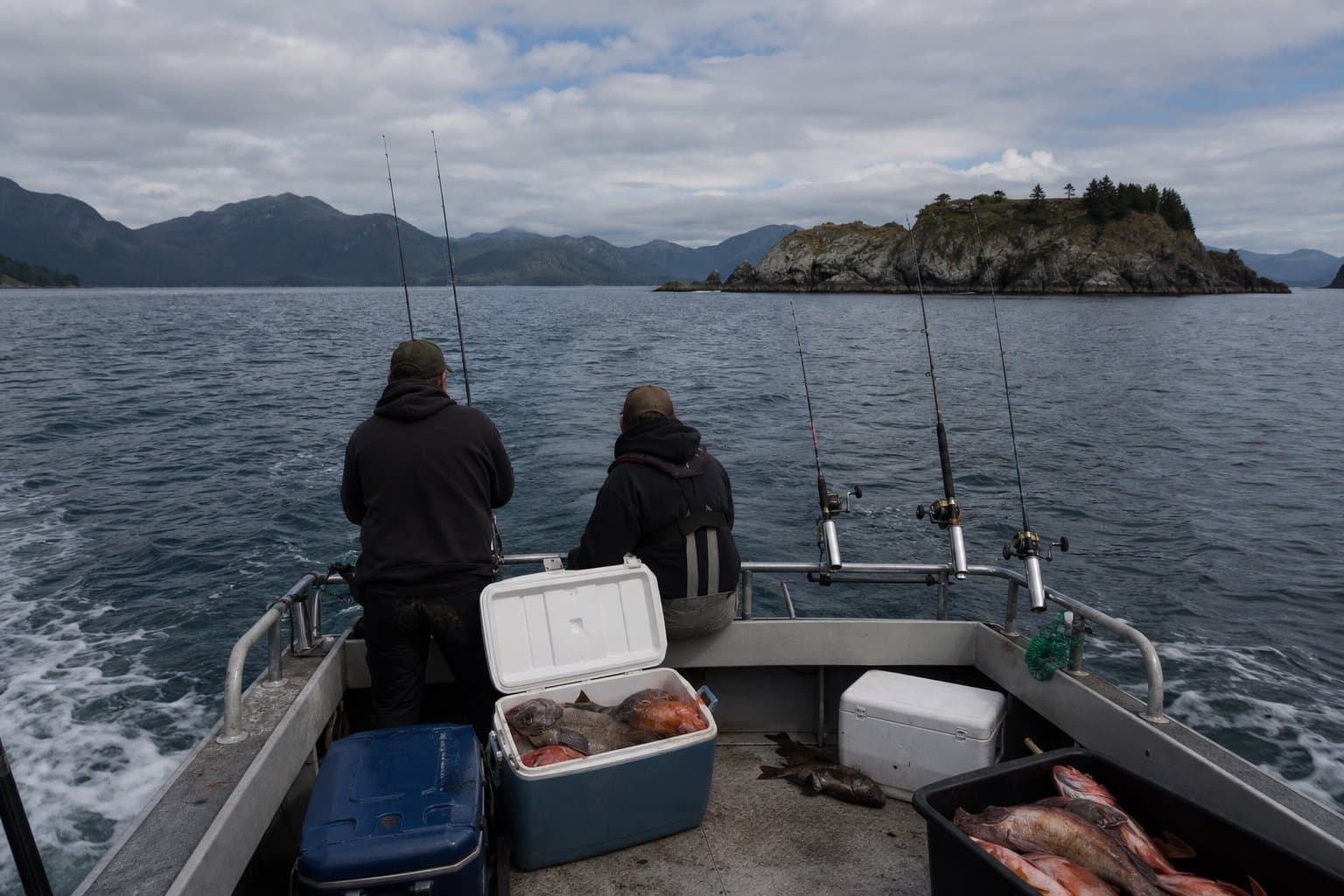
Kodiak rockfish rules now cap single-species harvest, push anglers to deeper water
Sport anglers fishing northern Kodiak and Afognak waters are now under species-specific rockfish caps that apply to all anglers, resident and non-resident. The emergency order, effective June 1 through December 31, 2026, covers salt waters north of Cape Ikolik and Dangerous Cape, taking in Chiniak, Ugak, and Marmot Bays, Whale Pass, Kupreanof Strait, and the waters of Afognak and Shuyak Islands.
The total bag stays at 5 per day and 10 in possession, but no more than two per day and four in possession may be a single rockfish species, no more than one per day and two in possession may be black rockfish, and only one per day may be a yelloweye. As an example, an angler could harvest one black rockfish, two dusky rockfish, and two dark rockfish.
North of Tonki Cape and Black Cape, the limit drops to 3 per day and 3 in possession with no more than one of any single species. Lingcod north of those capes are also restricted to one per day, two in possession, at 35 inches or greater.
The rules follow a documented decline in black rockfish driven by increased harvest pressure, including from long-range charter boats traveling from Homer. Kodiak charter operator Jeff Woods told the Kodiak Island Borough Assembly at a June work session that local operators were already "going farther and farther to go get less and less resources that live here."
Charter operators and sport anglers have raised concerns about the impact of the 2026 caps on angler opportunity and charter revenues. The Kodiak order fits a wider Alaska pattern: ADF&G issued a parallel North Gulf Coast and Cook Inlet emergency order in 2026 to stabilize black and yelloweye rockfish harvest, signaling that pressure on these stocks is a regionwide concern.
The ADF&G fishing report for July 14 notes that after similar regulations were implemented last season, many anglers found that shifting their fishing behavior slightly resulted in increased rockfish catches of species other than black rockfish. Dark and dusky rockfish can often be found just off the side of a rock pile or reef and in deeper water than black rockfish, which typically prefer the top and middle of these structures. Widow and yellowtail rockfish tend to school separately and are also worth seeking out.
An identification guide is available in the Southwest Alaska Regulation Booklet and at the ADF&G website.
Based on a press release from ADF&G.
Made by our human newsroom with AI. How humans and AI work here · Grow with our newsroom
Stay informed. Support what matters.
Free, permanent access to local news you can verify. Subscribe to support Bill AlaskaNews and go ad-free.
Related Coverage
One black rockfish a day in Kodiak and Afognak waters
Alaska News · 3w ago
Rockfish limit in Resurrection Bay stays at three a day through Sept. 15
Alaska News · 2mo ago
New rockfish rules require Yakutat anglers keep fish intact longer
Alaska News · 5mo ago
ADF&G extends yelloweye rockfish closure in Resurrection Bay through June
Alaska News · 4mo ago
Kodiak's silver limit drops as its king limit rises
Alaska News · 3w ago
Comments
Sign in to leave a comment.
No comments yet. Be the first to share your thoughts.