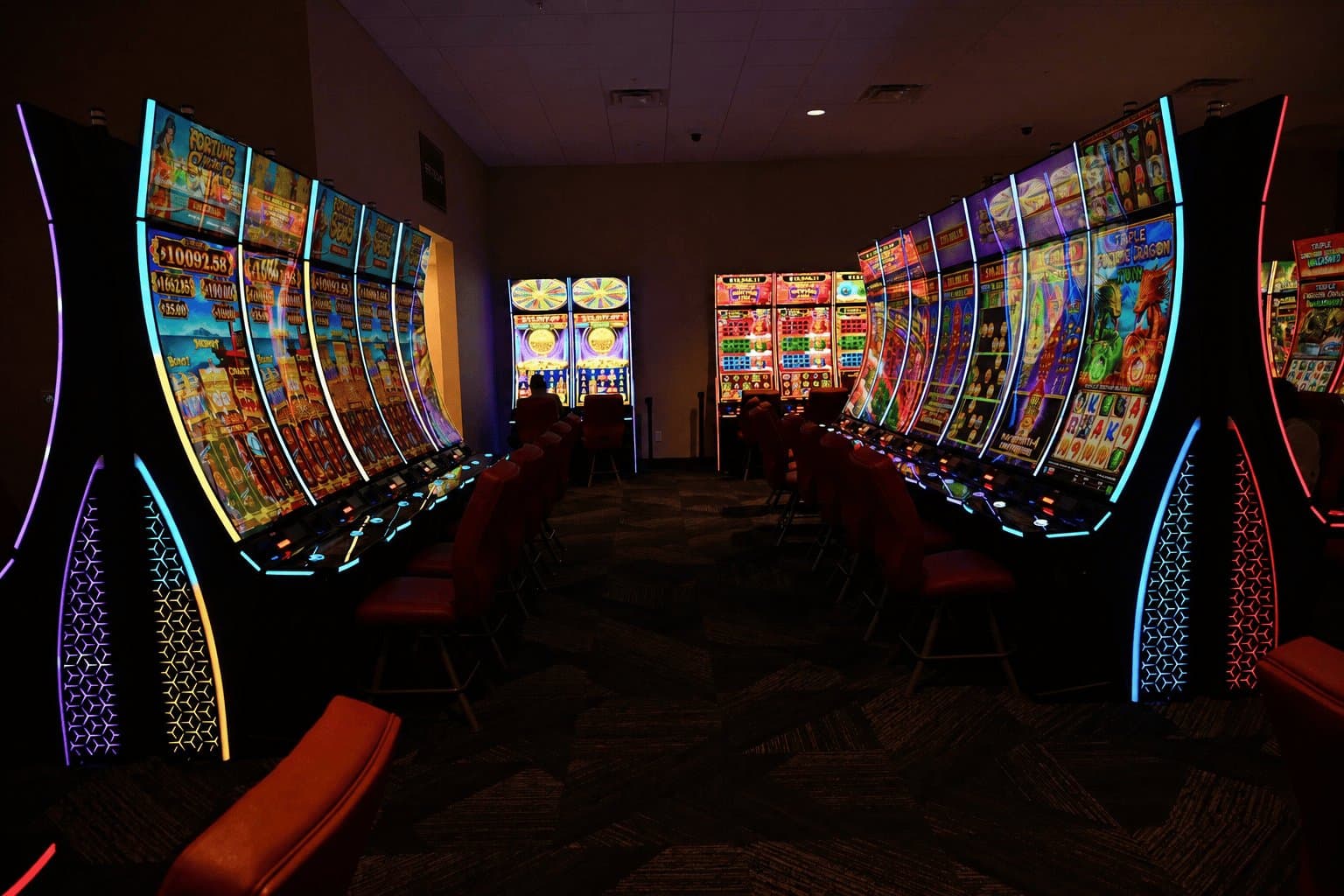
Juneau's new casino, and the land the city can't reach
Juneau's first casino has been open for weeks, and the city has had no say over any of it — not the zoning, not the permits, not the building code. On Monday, the Assembly's Committee of the Whole took up the one piece the city still has to handle: how to send police and firefighters to a business it doesn't regulate. Why it can't regulate Two Coppers Casino runs back more than fifty years, to the law that reshaped how Alaska Native land works.
When Congress passed the Alaska Native Claims Settlement Act in 1971, it deliberately avoided the reservation system used in the Lower 48. Rather than sovereign tribal governments with territory, ANCSA created Native corporations that hold land as ordinary property, with the state keeping jurisdiction over it. One result: Alaska has almost none of the tribal "Indian country" that lets tribes elsewhere run casinos, which is why the state long had essentially no tribal gaming outside the lone reservation at Metlakatla.
Two Coppers exists through a narrow gap in that design. It sits on a Native allotment — an individual parcel held in federal trust — and a 2024 federal legal opinion found that such allotments can qualify as tribal "Indian country," eligible for gaming. The Native Village of Eklutna went first, opening a gaming hall near Anchorage in 2025. Tlingit and Haida followed it to Douglas Island.
The ground under both is far from settled. In September 2025, the U.S. Interior Department reversed that 2024 opinion and ordered the approvals built on it re-examined, throwing Eklutna's hall and Two Coppers into legal limbo. The tribe opened anyway, saying it's confident in its footing; the state says it's monitoring the federal review; and even some heirs of the family that owns the allotment have objected to the casino being there.
That's the backdrop to the practical question before the Assembly. Because Tlingit and Haida asserts sovereignty over the allotment, it's left the city to figure out how to deal with a new dynamic. "We have had no involvement in doing any zoning or permitting or enforcement on that property," City Manager Katie Koester said.
Now, with the casino about two miles outside the city's fire service area, the Assembly is working out how to cover it, modeling its response on protocols used at nearby Eaglecrest Ski Area, with the tribe offering to pay the equivalent of property taxes. The committee advanced the plan without objection, sending it to the full Assembly.
This article is based on a public meeting of City and Borough of Juneau — Juneau: July 13, 2026 Assembly Committee of the Whole Worksession ().
Made by our human newsroom with AI. How humans and AI work here · Grow with our newsroom Transcript byLucas Brown
Discussed in
Stay informed. Support what matters.
Free, permanent access to local news you can verify. Subscribe to support Walter AlaskaNews and go ad-free.
Related Coverage
Juneau's casino opened on shifting ground and now faces suits on two fronts
Alaska News · 2mo ago
A new casino has opened on North Douglas, as a cruise dock nearby prepares to bring more ships
Alaska News · 1mo ago
Eklutna begins clearing five acres it bought beside Chin'an gaming hall
Alaska News · 1w ago
Betting apps take bets in Alaska as a Senate panel weighs the fallout
Alaska News · 2mo ago
A Muldoon pot shop passed city rules, but a tribal youth program cites stricter state rules
Alaska News · 1mo ago
Comments
Sign in to leave a comment.
No comments yet. Be the first to share your thoughts.