Iditarod Area School District faces internet cutoff June 30 after E-Rate denial
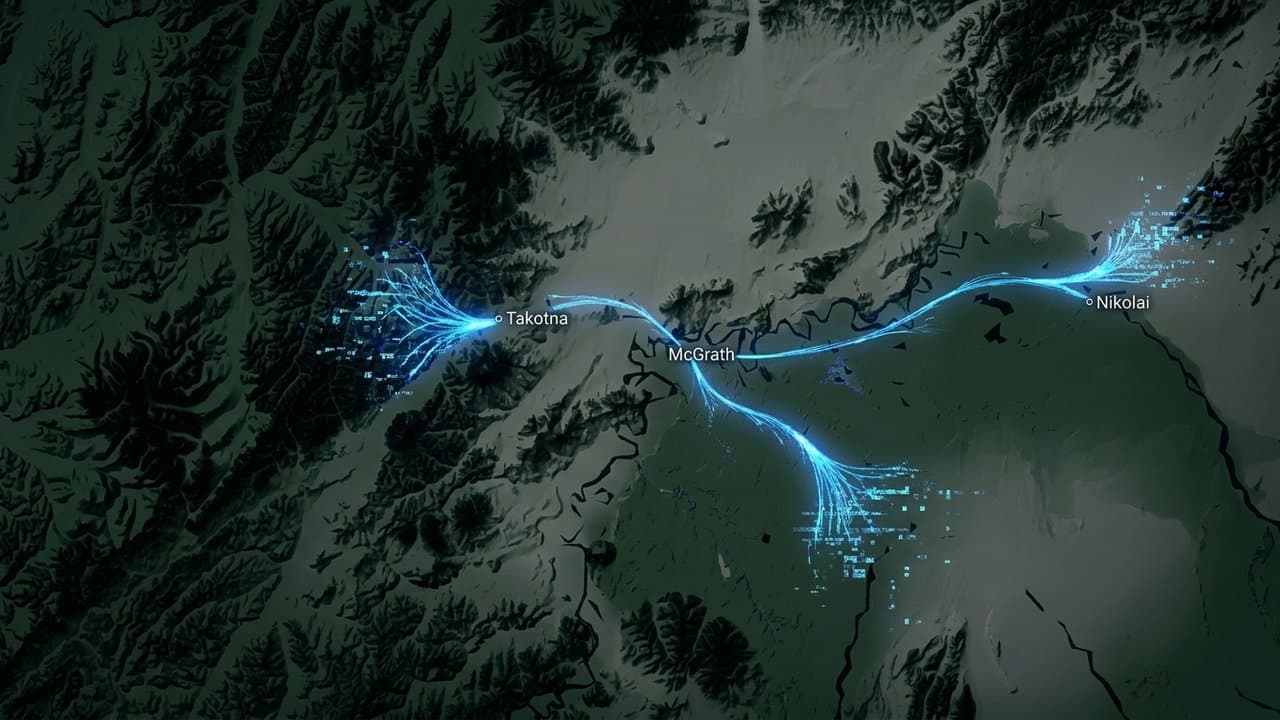
Seven village school buildings and one homeschool program in interior Alaska could lose internet service June 30 after the Universal Service Administrative Company moved to deny or rescind E-Rate funding for the Iditarod Area School District across four funding requests covering the 2024-25 and 2025-26 school years. Superintendent John Bruce has warned that students and school operations at sites including Anvik, Grayling, McGrath, Holy Cross, Nikolai, Shageluk, Takota, and the Iditarod Distance Learning Center face a service cutoff if the dispute is not resolved. Most Alaska school districts do not pay the full cost of internet access because they rely on both the federal E-Rate program and the state School Broadband Assistance Grant to subsidize service. Losing E-Rate eligibility would leave the district without its primary federal subsidy.
What USAC Found
USAC's Special Compliance division issued two intent-to-deny notices in early June, with response deadlines of June 9 and June 10, 2026. Both cited the same core problem: the district's vendor scoring did not follow its own stated criteria. GCI, the highest-price bidder, received the top score under the price category. A second notice added that the district failed to evaluate a bid from Optimera for Starlink service. Both notices were addressed to David Fair at SERRC, the entity that handled the district's bid process. Katherine Mitchell of USAC's Special Compliance E-Rate division signed both notices. USAC is rescinding funding request numbers 2599042318 and 2599042323 and denying funding request numbers 2699002715 and 2699002717, all on grounds of improper vendor selection. Federal rules require E-Rate applicants to select the most cost-effective service offering and do not allow preference for local or incumbent providers, even in rural areas.
The District's Response
Superintendent John Bruce pushed back in a formal written response. "It isn't about 'What's cheaper' \ u2013 it's about 'What works and why that is'," Bruce said. He argued that GCI offered fiber access to four of the seven village buildings on the Yukon River side of the district, where no fiber had previously been available, and that GCI's in-state presence meant someone would show up when something broke. "Starlink can struggle out here as a standalone. We need systems with back-ups that have people at the ready to help us when things go down," Bruce said.
Bruce also explained that the district had used DRS/SES in 2024-25 and considered it superior to both Microcom and Optimera, which is part of his rationale for the scoring decisions. He said the district switched providers only because GCI came forward with a fiber offer that DRS/SES could not match.
Bruce also pointed to a gap in the record. The SERRC staffer who managed the bid process died in March 2025. "The person who accepted the bids through SERRC in Alaska and allowed this to progress to where it is now, passed away in March 2025, right after the bid process was completed," Bruce said. That death left the district unable to fully account for how the process was allowed to move forward.
Sources
Based on: View Transcript
AI-assisted, reviewed by editors. Spot an error?
Comments
Sign in to leave a comment.
No comments yet. Be the first to share your thoughts.