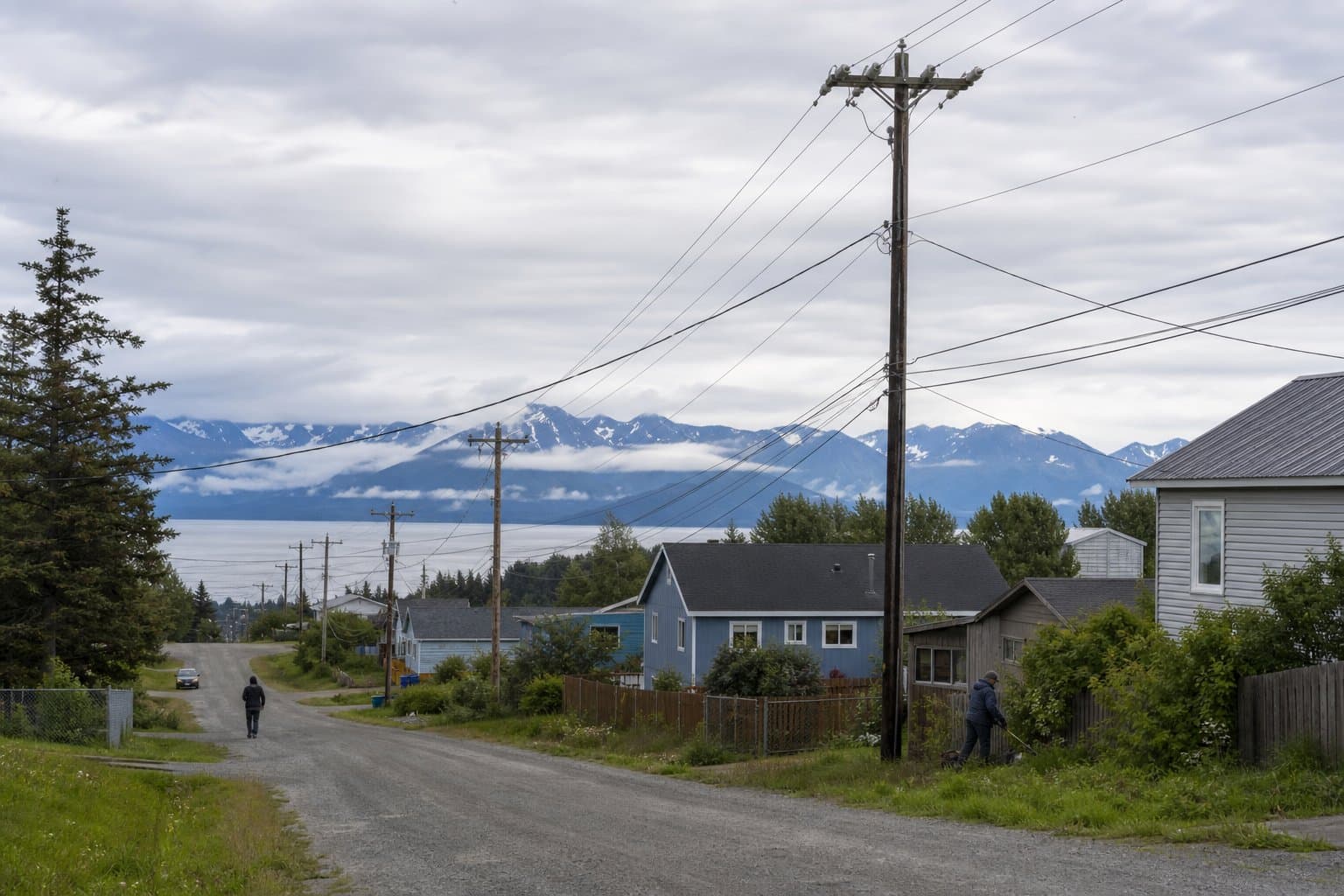
Homer Electric cuts power-cost rate 5.5%, $3.30 off a 550 kWh bill
A Homer Electric Association residential member using 550 kilowatt-hours a month is paying about $3.30 less for power since July 1. The cooperative lowered its Cost of Power Adjustment rate by 5.5%, from 10.922 cents per kilowatt-hour to 10.323 cents.
The Cost of Power Adjustment is the quarterly pass-through piece of a Railbelt electric bill. Matanuska Electric Association described the mechanism in a July 7 rate announcement: "The COPA component of rates primarily includes fuel and purchased power costs, while the base rate component (consisting of the 'energy' and 'demand' charges) includes the bulk of the other costs necessary to bring power to MEA members' homes and businesses."
HEA's rate has moved every quarter this year. It dropped 14.8% on January 1, to 9.317 cents, the same day a 4% base rate increase took effect. It then rose to 10.922 cents on April 1.
Interior members face a much bigger swing. Golden Valley Electric Association has filed to raise its cost-of-power surcharge 62% effective June 1, from 12.779 cents to 20.652 cents per kilowatt-hour. The Regulatory Commission of Alaska will review that proposal. MEA members, by contrast, saw base rates hold steady and the COPA component dip slightly, trimming about $0.04 off a typical monthly bill for a member using 652 kilowatt-hours beginning July 1.
HEA attributed the third-quarter decrease to significantly fewer hours of islanding in the second quarter than in the first. Islanding means running the utility's system on its own, disconnected from the larger grid. Staying connected to the greater Alaska grid reduces the spinning reserves HEA must carry and removes the need to run the Nikiski Combined Cycle plant at minimum load. Greater-than-expected first-quarter sales also lowered the per-kilowatt-hour cost of fixed COPA components, primarily Bradley Lake.
Those savings partly offset the estimated weighted average cost of gas pricing taking effect this quarter, the report said, and are being passed to members immediately. HEA calculates its COPA rate using forecast costs and sales, along with the variance between projected and actual results from prior quarters.
The account comes from HEA's July monthly CEO report to its board. The report contains no regulatory or member response.
AI-assisted, reviewed by editors. Spot an error?
Related Coverage
Mat-Su power bills climb as Alaska's energy squeeze bites
Alaska News · 3w ago · 80% match
Alaska raises rural power subsidy floor, cutting support $3M
Alaska News · 2mo ago · 78% match
GVEA files 62% cost-of-power increase with regulators
Alaska News · 2mo ago · 78% match
Homer's co-op is opening the door to community solar — with a fee and a six-month wait
Alaska News · 1mo ago · 78% match
MEA seeks RCA approval to pass gas storage costs to ratepayers
Alaska News · 1mo ago · 77% match
Comments
Sign in to leave a comment.
No comments yet. Be the first to share your thoughts.