EPA rule could pull small Alaska water systems into national contaminant testing
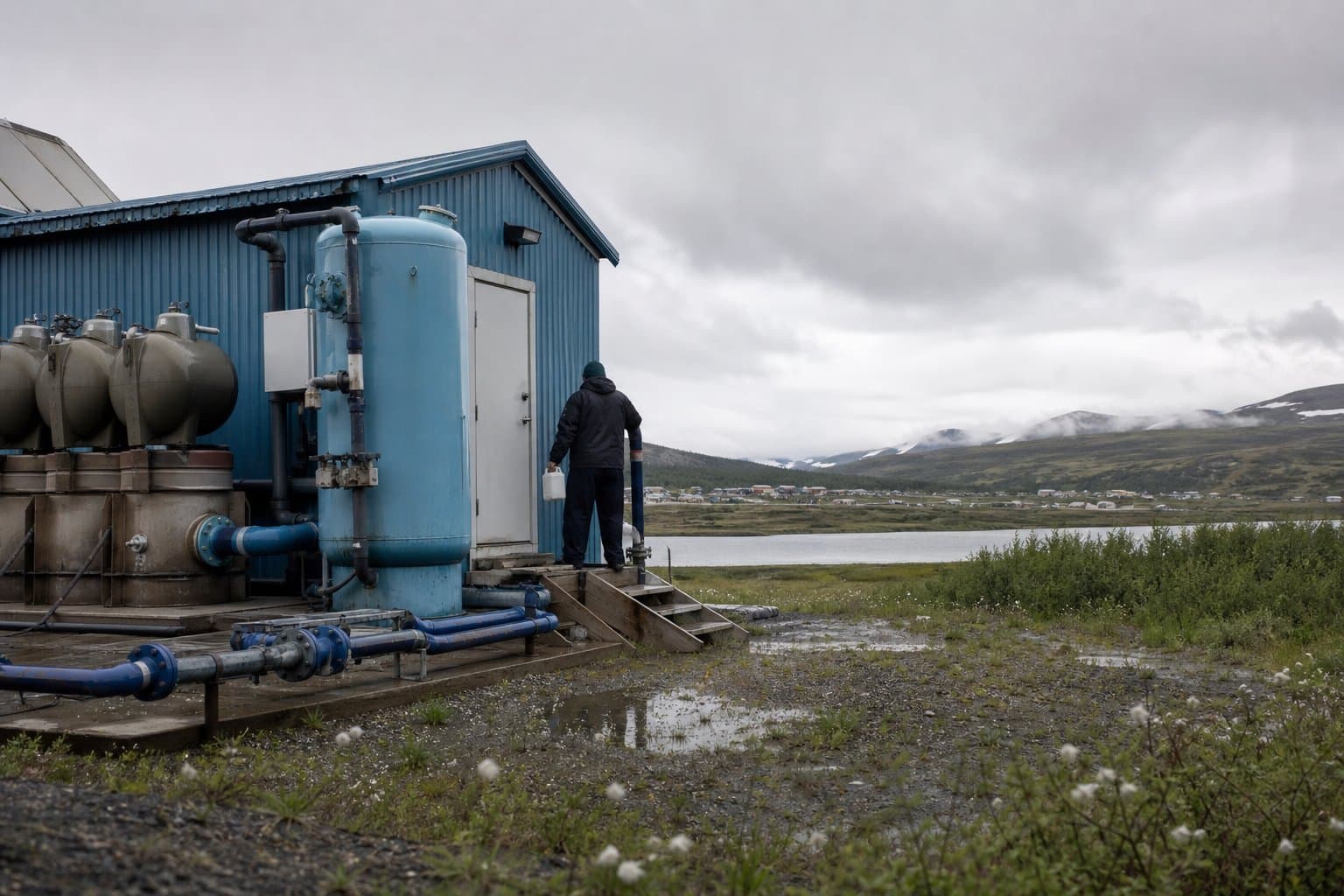
Small public water systems across rural Alaska boroughs and unincorporated communities could be selected for mandatory federal contaminant testing under a proposed rule the U.S. Environmental Protection Agency published this week.
The rule, the sixth cycle of the Unregulated Contaminant Monitoring Rule, would require monitoring of 30 contaminants in drinking water between 2028 and 2030. The list includes seven ultrashort organofluorine compounds (including certain per- and polyfluoroalkyl substances, or PFAS), three pesticide metabolites, 13 semivolatile organic compounds, and seven purgeable organic compounds. None are currently subject to federal drinking water standards. EPA says the data will inform future regulatory decisions.
All community water systems and non-transient non-community water systems serving more than 3,300 people must participate. The rule also pulls in a nationally representative sample of 800 smaller systems, those serving fewer than 3,300 people, subject to available appropriations and sufficient laboratory capacity. That threshold covers a large share of Alaska's public water systems, from village utilities in the Yukon-Koyukuk Census Area to small borough service areas on the Kenai Peninsula.
EPA says it will cover analytical costs for systems serving 10,000 or fewer people. But the agency's own program description acknowledges that the number of participating small systems could shrink if appropriations fall short or laboratory capacity is insufficient. For rural operators, the practical burden goes beyond lab fees. Collecting samples on a 36-month schedule and then shipping them to certified laboratories can mean long drives or flights to the nearest drop point. EPA does not reimburse operator time.
"The 36-month schedule produces thousands of monthly results per contaminant. These results can be analyzed for seasonal patterns and annual occurrence," the agency states in the proposed rule. Alaska's seasonal logistics, including frozen conditions that can prevent standard auto-sampler use, present operational challenges the agency's program description does not specifically address.
Background
The rule is part of a Safe Drinking Water Act requirement that EPA run a monitoring cycle every five years. The previous cycle was finalized in December 2021. This round adds PFAS and other emerging contaminants to the national picture. EPA declined to add microplastics, saying there is no validated drinking water test method with adequate quality control yet, even though microplastics appear on the agency's draft list of contaminants to watch.
How to Comment
Water system operators and community members can submit written comments by Aug. 31, 2026, at regulations.gov using docket ID EPA-HQ-OW-2023-0469, or by email to [email protected] with the docket ID in the subject line. EPA will host two identical virtual public meetings on Aug. 11 and Aug. 12, 2026, covering monitoring requirements, how contaminants were selected, and the process for choosing small systems. Details are at epa.gov/dwucmr.
AI-assisted, reviewed by editors. Spot an error?
Comments
Sign in to leave a comment.
No comments yet. Be the first to share your thoughts.