Cordova Council approves $181,000 school funding increase, defers payment decision
The Cordova City Council voted May 7 to increase the city's contribution to the Cordova School District by $181,000 for fiscal year 2027. The council approved half of the district's $362,000 request. Members deferred a decision on how to pay for the increase until the May 20 meeting.
The district faces growing enrollment pressures. Thirty-six students enter seventh grade next year. Twenty-one seniors graduate. Council Member Debra Adams said no high school classroom can hold 36 students. The district must split the class and reassign a teacher who would otherwise teach upper-level courses.
Superintendent Alex Russin told the council the district has operated without a dedicated math teacher for three consecutive years. The district's budget includes funding for a math teacher position. A potential hire is pending school board approval at the next meeting.
School Board President Hank Krueckhoff and Vice President Pete Taffer urged the council to support the district's request. Taffer called education the single most consequential investment a community can make. Cordova High School has been named Alaska's top high school by U.S. News & World Report for two consecutive years.
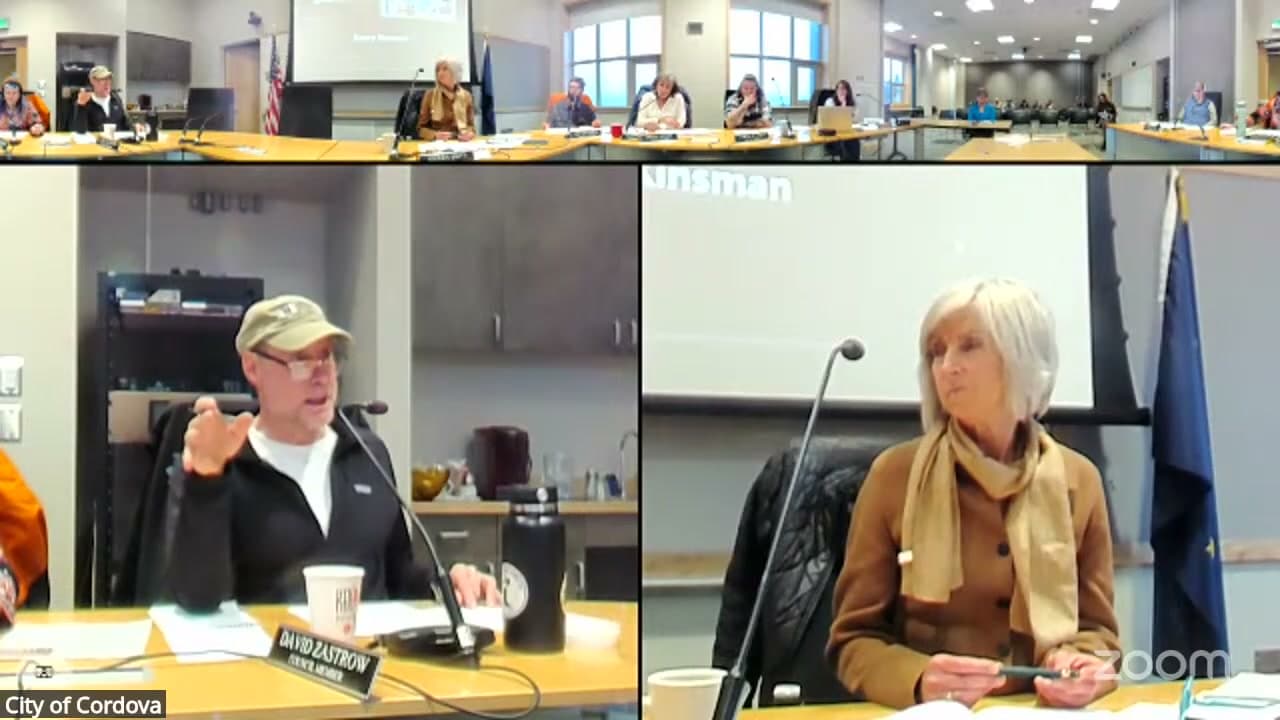
Council Member Kasey Kinsman advocated for a mill-rate increase. He argued it would distribute the cost across the community and provide a sustainable funding source. Council Member Mike Mickelson opposed raising property taxes. He cited rising fuel and grocery costs and concern that higher taxes would drive families out of town.
A 0.375-mill increase would generate approximately $121,000. That would leave a $60,000 gap if the council chooses that funding path. The district's fund balance is projected to exceed the state-allowed 10 percent of expenditures. The district will use the surplus for prepaid expenses and curriculum purchases rather than return it to the state. The district maintains a minimum operating balance of roughly $450,000. Monthly payroll runs $250,000 to $270,000.
The council will set the mill rate at its May 20 meeting.
This article is based on a public meeting — 5-6-2026 City Council Regular Meeting ().
Made by our human newsroom with AI. How humans and AI work here · Grow with our newsroom Transcript byLucas Brown
Watch key moments from the source meeting. Click to expand.
Stay informed. Support what matters.
Free, permanent access to local news you can verify. Subscribe to support Walter AlaskaNews and go ad-free.
Related Coverage
Cordova Council debates mill rate hike as school funding deadline nears
Alaska News · 4mo ago
Cordova holds property tax rate flat at 11.44 mills for 2026
Alaska News · 4mo ago
Kodiak Assembly weighs $800,000 school funding compromise
Alaska News · 4mo ago
Kodiak held its tax rate down — and split over what it means for schools
Alaska News · 4mo ago
Kodiak Island Borough Assembly approves $13.8M for schools, $836K below district request
Alaska News · 4mo ago
Comments
Sign in to leave a comment.
No comments yet. Be the first to share your thoughts.