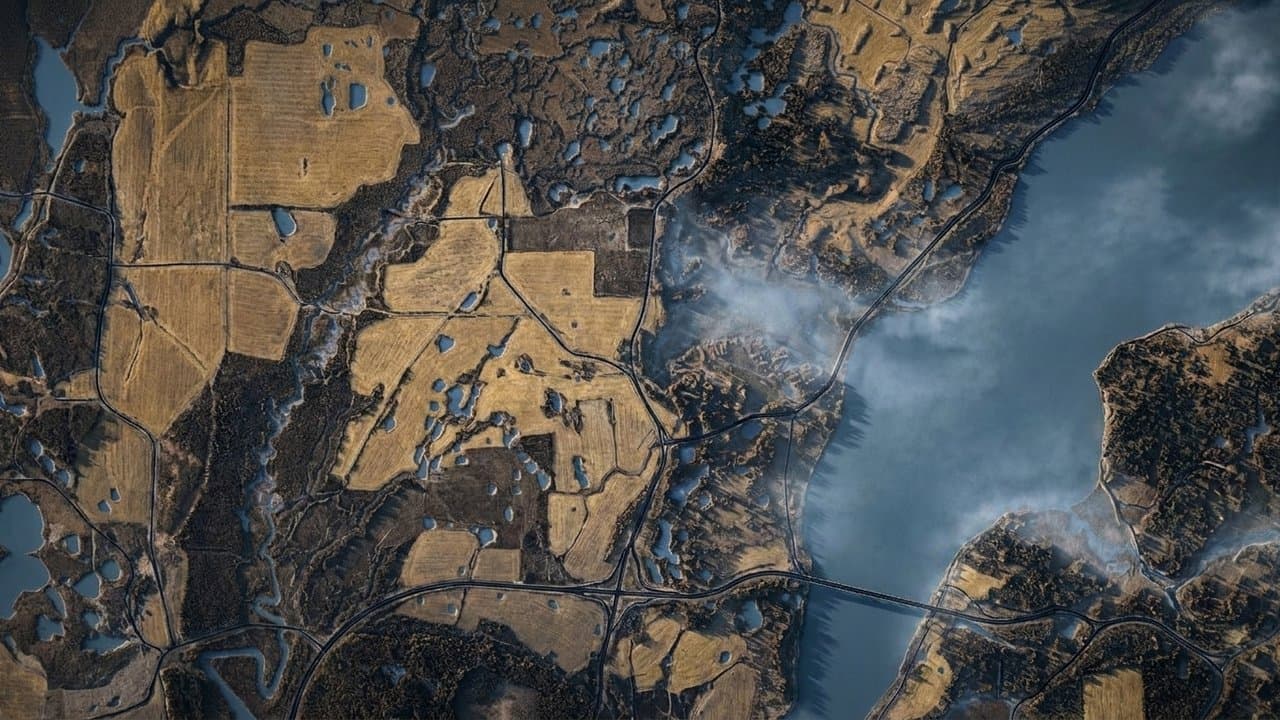
Editorial map (Gemini + Google Maps)
Conservation district applies for 885 Point MacKenzie acres DNR plans to give AIDEA
The Wasilla Soil and Water Conservation District has asked the state for the same 885 acres of Point MacKenzie farmland that the Department of Natural Resources proposes to give the Alaska Industrial Development and Export Authority (AIDEA) at no cost.
The district's Oct. 21 application, signed by district chair Meg Burgett, would put a farm processing, storage and education hub on 133 acres of uncleared ground and keep about 752 acres as permanently protected farmland. Alaska Farmland Trust would hold conservation easements on the farm units, and the Alaska Farm Bureau would help plan the hub. The land would go back to the state if it isn't used for agriculture.
The district says its hub would ship hay, feed, livestock and wood products through Port MacKenzie and, once the rail extension is finished, by train. "Completing the rail line does not require converting this farmland to industrial use," the application says.
DNR's preliminary decision, signed Sept. 16, would instead convey the two tracts to AIDEA for rail-support and cargo-logistics use and reclassify them Settlement-Commercial. AIDEA says in its application that the site suits that use because of the acreage needed for rail staging and cargo laydown, its deep-water access through Port MacKenzie and its location on a transportation corridor, according to the decision. The decision describes AIDEA's development plan as "an early conceptual planning effort," with the final design to come after detailed engineering. Public comment closed Oct. 21, and DNR has not issued a final decision. The district asks DNR to consider its application first and to keep the fields in farming in the meantime.
The tracts were among those sold in the state's 1982 Point MacKenzie dairy project and have produced hay since, the application says, though it cites a DNR estimate that encroachment has cut the area suitable for hay to fewer than 500 acres. The Matanuska-Susitna Borough later bought them with their agricultural covenants, deed restrictions keeping the land in farming. It deeded the land back to the state at no cost in July, under a June ordinance that returns it to the borough if economic development isn't achieved within five years, contingent on removing the covenants. DNR says the covenants ended once the state owned the land again. The state proposed the transfer to AIDEA one day after the Borough Assembly voted to urge AIDEA to build at Point MacKenzie instead of on 20,000 acres near Houston.
Amy Seitz of the Alaska Farm Bureau wrote Sen. Cathy Giessel on Oct. 22 that an easement for the rail line already crosses both tracts and that AIDEA doesn't need all the land. She said the district's application would be reviewed only if AIDEA's is denied.
At Monday's Senate Resources hearing, where DNR Commissioner John Crowther testified after the committee voted to subpoena him, Giessel, the committee's chair, said the land "could be productive for farming." She said DNR had come to the Legislature "urgently requesting a Department of Agriculture because we need to become self-sufficient. And yet here you are conveying agriculture land at no cost to [AIDEA]."
Crowther said the goal is "significant industrial and economic expansion" tied to the Port MacKenzie rail extension, which "does have to be weighed against the agricultural use, which is important." Christy Colles, director of DNR's Division of Mining, Land and Water, said the borough sent a letter supporting the conveyance to AIDEA and that its transfer to the state was "very much predicated" on industrial use for economic development, according to the hearing record. She said DNR received about 110 comments and would work with AIDEA to see what it could do to address the concerns.
Source: Alaska Department of Natural Resources.
Made by our human newsroom with AI. Reviewed by Cale Green. How humans and AI work here · Grow with our newsroom
Stay informed. Support what matters.
Free, permanent access to local news you can verify. Subscribe to support Maggie AlaskaNews and go ad-free.
Related Coverage
Mat-Su asks AIDEA to build at Point MacKenzie, not on 20,000 acres near Houston
Alaska News · 1mo ago
Comment closes Monday on giving 20,000 Houston-area acres to AIDEA
Alaska News · 1mo ago
The state may give 20,000 acres near Houston to a development authority
Alaska News · 2mo ago
Legislative attorneys say Houston land transfer to AIDEA may fail public-purpose test
Alaska News · 2w ago
Alaska would give 20,000 acres near Houston to a state authority for free
Alaska News · 1mo ago
Comments
Sign in to leave a comment.
No comments yet. Be the first to share your thoughts.