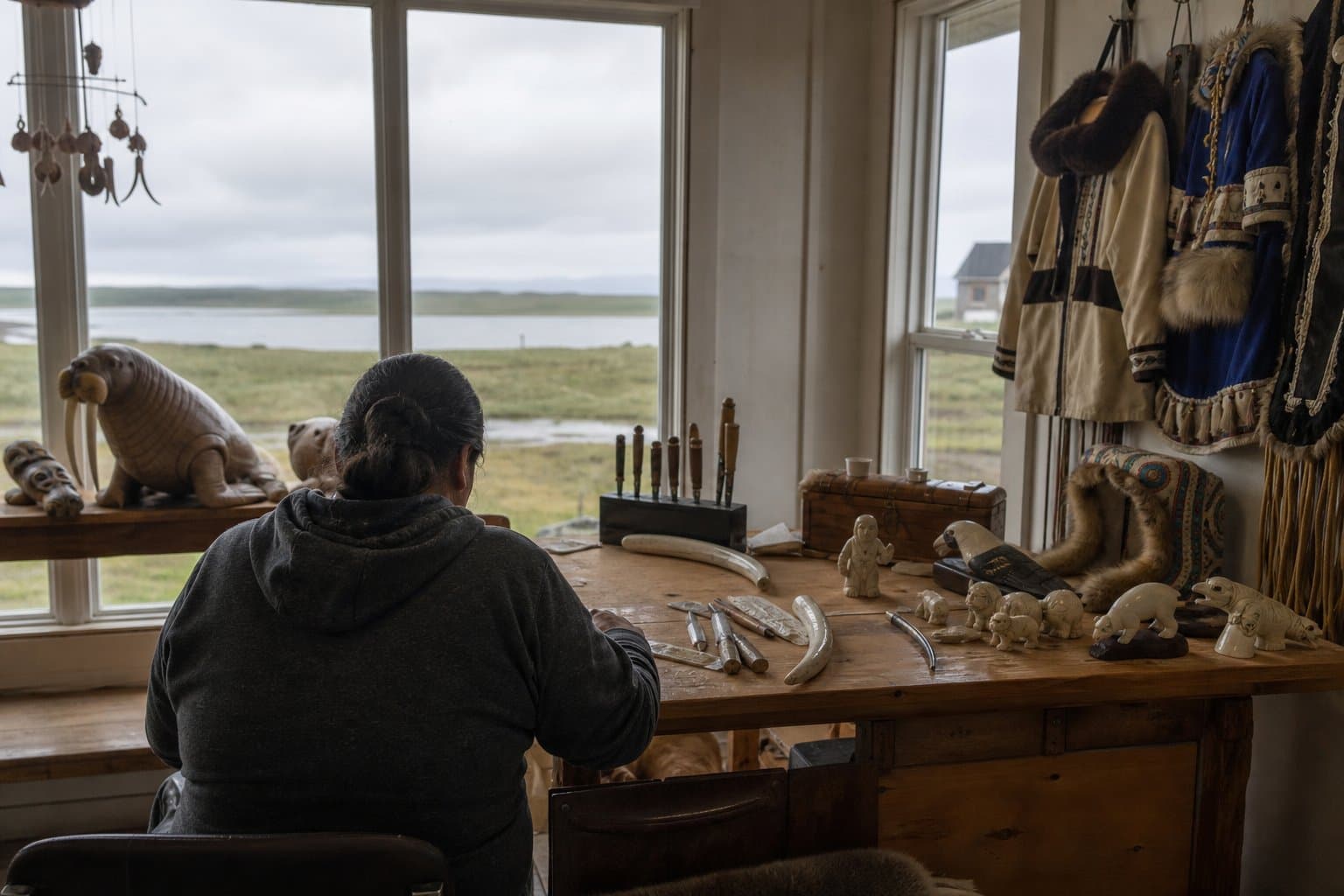
ARTIST Act shields Alaska Native walrus ivory art from state ivory bans
Alaska Native artists who carve walrus ivory into handicrafts, ceremonial regalia, and clothing now have explicit federal protection to sell their work in all 50 states. The Alaska's Right to Ivory Sales and Tradition Act, signed into law in June 2026, bars any state from prohibiting the sale or transport of marine mammal ivory, bone, or baleen incorporated into authentic Alaska Native handicrafts and clothing.
What the Law Fixes
The problem the law addresses is specific: state statutes written to stop illegal African elephant ivory trade carried no carve-out for walrus ivory legally harvested by Alaska Natives. Kawerak, Inc., the regional tribal consortium based in Nome, documented the harm in its Walrus Ivory Toolkit, finding that blanket state bans created consumer confusion and cut into sales for artists in communities where walrus harvest and ivory carving are both subsistence practice and cash income.
In a related development, Sen. Dan Sullivan also secured an exemption from Etsy's new ban on natural animal fur products, set to take effect Aug. 11, 2026, for Alaska Native craftsmen registered with the Indian Arts and Crafts Board. The exemption allows those sellers to continue offering fur items on the online marketplace.
Sponsors on the Stakes
Sen. Dan Sullivan, the bill's primary sponsor, framed the law in economic terms. "The ARTIST Act protects the right of Alaska Native people to continue these centuries-old traditional practices, a critically important economic driver for Alaska's rural communities," Sullivan said. Sen. Lisa Murkowski put the stakes in cultural terms. "Ensuring Alaska Native artists' ability to create and sell their traditional handicrafts is about more than income," Murkowski said. "It's about supporting families who have used their work to preserve heritage and culture through generations."
Conservation Caveat
The World Wildlife Fund issued a statement supporting the law's recognition of Alaska Native rights but called for strong safeguards, with senior wildlife policy director Leigh Henry emphasizing that protections must remain in place to ensure the law does not "inadvertently create loopholes for the illegal ivory trade."
AI-assisted, reviewed by editors. Spot an error?
Comments
Sign in to leave a comment.
No comments yet. Be the first to share your thoughts.