Anchorage School District names FY28 deficit first topic of new ASD Listens engagement plan
Anchorage School District faces a projected $42 million budget shortfall in fiscal year 2028, and the district plans to make that deficit the first topic of a new community engagement effort, ASD Listens.
Superintendent Jharrett Bryantt unveiled the plan to the Anchorage School Board, naming the district's projected FY28 deficit and what officials call "Responsible Stewardship" as the opening subject for deeper Community Conversations.
Bryantt told the board the plan traces back to last spring's failed bond and levy propositions, which "could have been a moment to point fingers." Instead, he said, the district partnered with Alaska Survey Research to gather "hundreds of comments from individual community members as to why they voted the way that they did and what they think the district can do better." That work became "the genesis of ASD Listens."
The deficit itself is not new. An ASD board recap from February projected deficits of $42 million in 2027-28 and $30 million in 2028-29 if state funding stays flat, even after balancing a $90 million shortfall for FY27. In May, Chief Financial Officer Andrew Ratliff told the board the FY28 gap would run about $44 million without new legislative money, and roughly $97.2 million if the district spends $50 million in one-time funds on current programs.
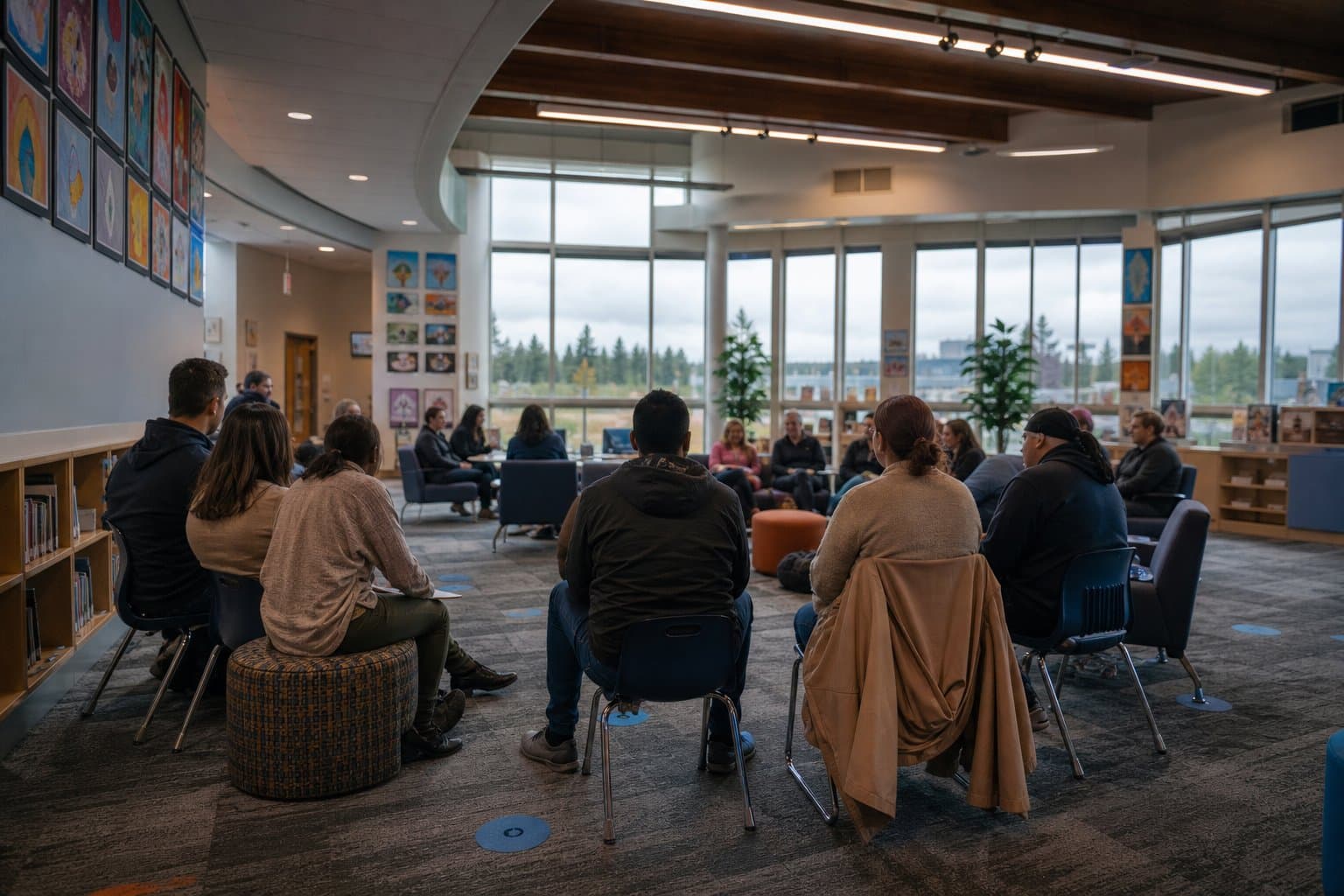
ASD Listens follows four steps: Listen, Learn, Act, and Report Back. The district will collect input through a Community Values Survey, ASD Pulse Polls, and Community Conversations. A companion effort called Demystifying ASD aims to make district decisions easier to understand. Presentation slides state plainly that "Trust is not the same everywhere."
The district has run engagement rounds before, including a Balancing Act online tool and community workshops in late 2025 on the FY27 budget. Participants in that process have argued the tools and meetings did not meaningfully shape final budget decisions, and that cuts followed anyway. District officials describe those choices as constrained by structural deficits and flat state funding. Bryantt told the board his "intent is for ASD Listens not to be a tactical band-aid on really deep-rooted problems. It's not intended to just be a survey."
The district asked residents to share the survey with their networks, encourage participation and help it hear from voices it may not reach on its own. It says it will report back publicly what it heard, what it learned, and what changes result.
AI-assisted, reviewed by editors. Spot an error?
Stay informed. Support what matters.
Free, permanent access to local news you can verify. Subscribe to support Walter AlaskaNews and go ad-free.
Related Coverage
ASD projects $40M FY28 deficit — two months after voters rejected school bond and tax levy
Alaska News · 2mo ago · 86% match
Anchorage School Board balks at a $2.8M curriculum buy members hadn't seen
Alaska News · 1mo ago · 79% match
Anchorage school board bets its emergency reserve on money that may not come
Alaska News · 2w ago · 79% match
The Anchorage School Board pledges no more closures next year, but one member says the last three were never explained
Alaska News · 2d ago · 78% match
ASD claims state funding bill comes too late
Alaska News · 2mo ago · 78% match
Comments
Sign in to leave a comment.
No comments yet. Be the first to share your thoughts.