AI image
Alaska Supreme Court bars Nome from taxing hospital staff housing
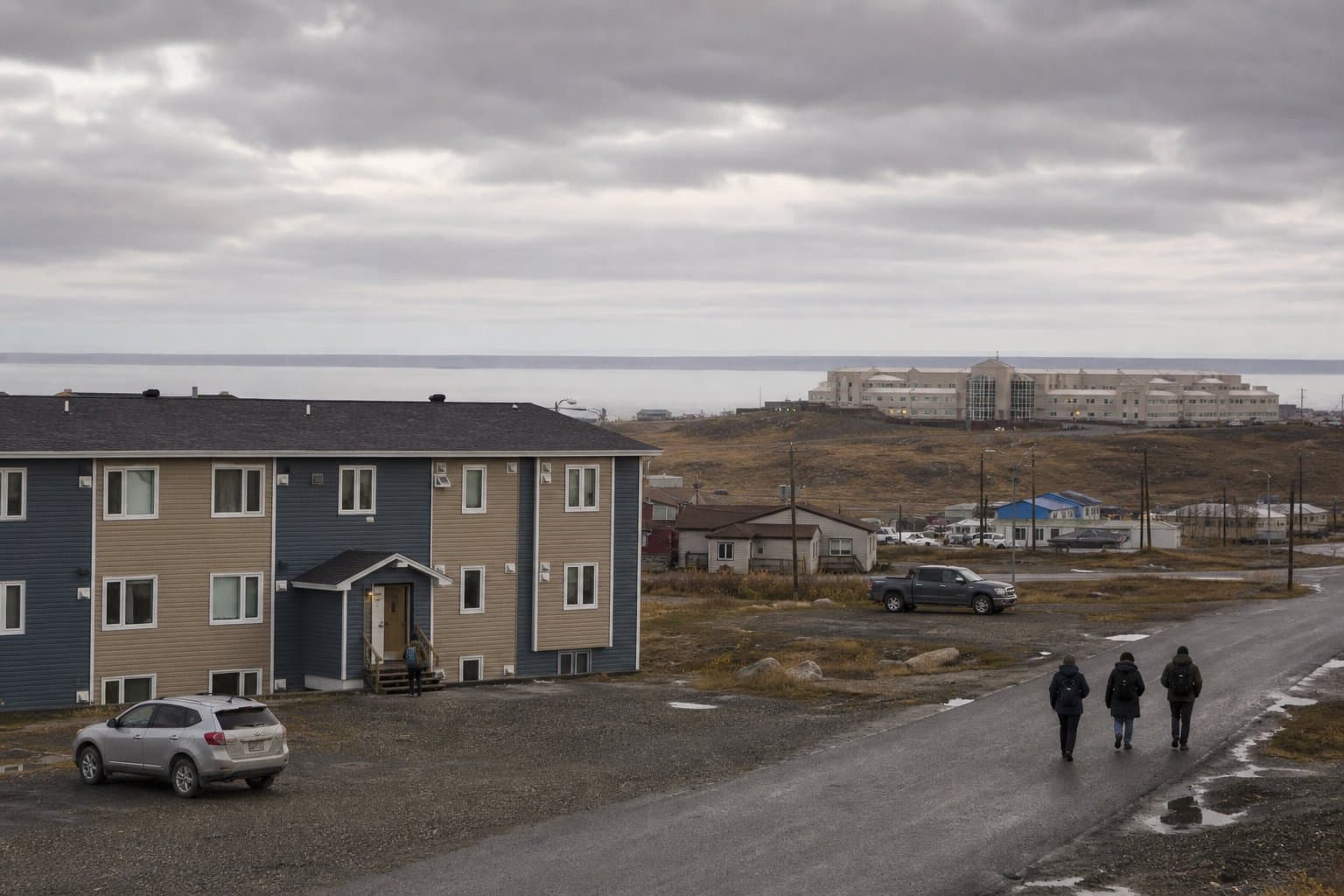
Nome's hospital owns a seven-unit apartment building near the hospital, and puts its visiting doctors and travel nurses in it because there is nowhere else in town for them to live. The city tried to tax it. The Alaska Supreme Court said no.
The reasoning is what makes the case matter beyond Nome. Alaska exempts property used for hospital purposes, and an apartment building is not a hospital. But the court held that housing the staff is so tightly bound to running the hospital that the building is effectively part of it, because without the housing there are no doctors, and without doctors there is no hospital.
That logic is not specific to Nome. Any Alaska borough with a tribal health facility on its tax roll now faces the same argument, which is why three of them lined up against the hospital in this case.
The Case
The court ruled Aug. 7, unanimously, with Justice Dario Borghesan writing. It affirmed a superior court ruling that the building qualifies for the state exemption covering nonprofit hospital purposes.
State law exempts property "used exclusively for nonprofit religious, charitable, cemetery, hospital, or educational purposes." The court agreed with Nome that the apartment is not used exclusively for hospital purposes, because staff also live there. It then exempted the building under a doctrine the court has applied since 1985 covering property "directly incidental to and vitally necessary to the exempt use of other property."
What made the housing vitally necessary was Nome's rental market. The building sits within walking distance of the hospital and houses doctors on a one-month-on, one-month-off rotation and nurses hired on contract, all on call and required to be minutes away. The housing is free to most of them. The court found there are no efficient or feasible short-term rentals in the Nome area.
Norton Sound Health Corporation described the housing in its exemption application as "a necessary incentive to attract qualified [staff] to work in [a] remote area." The corporation runs its facilities under the Alaska Tribal Health Compact with the Indian Health Service. Its annual funding agreement requires staff housing.
Why the court rejected Nome's arguments
The city assessor denied the exemption, conceding a housing shortage but saying other industries face the same conditions. The Board of Equalization agreed, reading "hospital purposes" as a place where sick or injured people are treated and noting that the corporation had provided medical services for years without the building.
The court rejected both points. Past practice, it wrote, does not disprove the hospital's contention that "currently there are no feasible short-term rentals in Nome." To the city's suggestion that the hospital hand out housing vouchers instead, it answered that vouchers do not help when there is nothing to rent.
The precedent Nome relied on was its own. In City of Nome v. Catholic Bishop of Northern Alaska in 1985, the city won a similar argument: housing radio station personnel was not vitally necessary because a station that might "some day be asked to broadcast instructions during a public emergency" did not require year-round housing for volunteers. The distinction here took one sentence. Doctors and nurses, the court wrote, are routinely required to respond to medical emergencies.
The Kenai Peninsula Borough, the Ketchikan Gateway Borough, the Kodiak Island Borough and the State of Alaska filed in support of the city. Bristol Bay Area Health Corporation, a coalition of Alaska Tribal Health Organizations and the United States filed in support of the hospital. Each of the three boroughs has a tribal health facility in its own tax base. The opinion does not describe what any of them argued, including the Justice Department.
On rent, the city argued for the first time on appeal that any rental income defeats the exemption, a point it had not raised before the Board, leaving the record without findings on it. The court held that limited rent does not defeat an exemption when the governing tests are met, which turn on whether the owner has a "dominant profit motive." It declined to read the statute so narrowly as to bar a nonprofit hospital from collecting some rent to defray the cost of necessary housing. New hires stay free for 30 days and then pay what the corporation calls nominal rent. The record indicates Norton Sound ran the building at roughly a $200,000 loss.
What the ruling leaves unresolved
Superior Court Judge Paul A. Roetman had held both that the exemption applied and that federal law preempted the tax outright. The Supreme Court affirmed on the exemption alone, reaching neither preemption, the question that drew in the United States, nor whether the building qualifies as charitable-purposes property.
The Board raised a statutory point the court did not answer. State law names the residence of a bishop, pastor, priest, rabbi, minister or member of a religious order as exempt religious-use property, along with the home of an educator at a religious school. There is no equivalent line for a nurse.
The ruling joins a longer Alaska line on nonprofit and tribal health property. Ketchikan Gateway Borough v. Ketchikan Indian Community in 2003 held non-clinic space taxable. Fairbanks v. Dená Nená Henash in 2004 reaffirmed the charitable-use exemption.
The opinion contains no assessed value and no tax figure, so what the exemption costs Nome is not established. Norton Sound applied for exemptions on several Nome properties, and only this one reached the Supreme Court. How much tribal health property statewide could claim the same treatment remains unmeasured. No doctor, nurse, hospital administrator, Nome taxpayer or municipal organization speaks anywhere in the record.
Source: Alaska Court System, Nome cannot tax the apartment where its hospital houses doctors and nurses, and the ruling now binds every Alaska borough with a tribal health facility.
Made by our human newsroom with AI. How humans and AI work here · Grow with our newsroom
Stay informed. Support what matters.
Free, permanent access to local news you can verify. Subscribe to support Walter AlaskaNews and go ad-free.
Related Coverage
Alaska Supreme Court shields Nome hospital's staff housing from tax
Alaska News · 2mo ago
Alaska Supreme Court says a sleep clinic performs services in the field of health and owes the tax
Alaska News · 1mo ago
A sleep clinic said it isn't medicine. The court disagreed.
Alaska News · 3mo ago
Alaska Supreme Court rules Sleep Clinic owes back taxes, not a small business
Alaska News · 3mo ago
North Slope, Fairbanks, Valdez sue over pipeline tax values
Alaska News · 4mo ago
Comments
Sign in to leave a comment.
No comments yet. Be the first to share your thoughts.