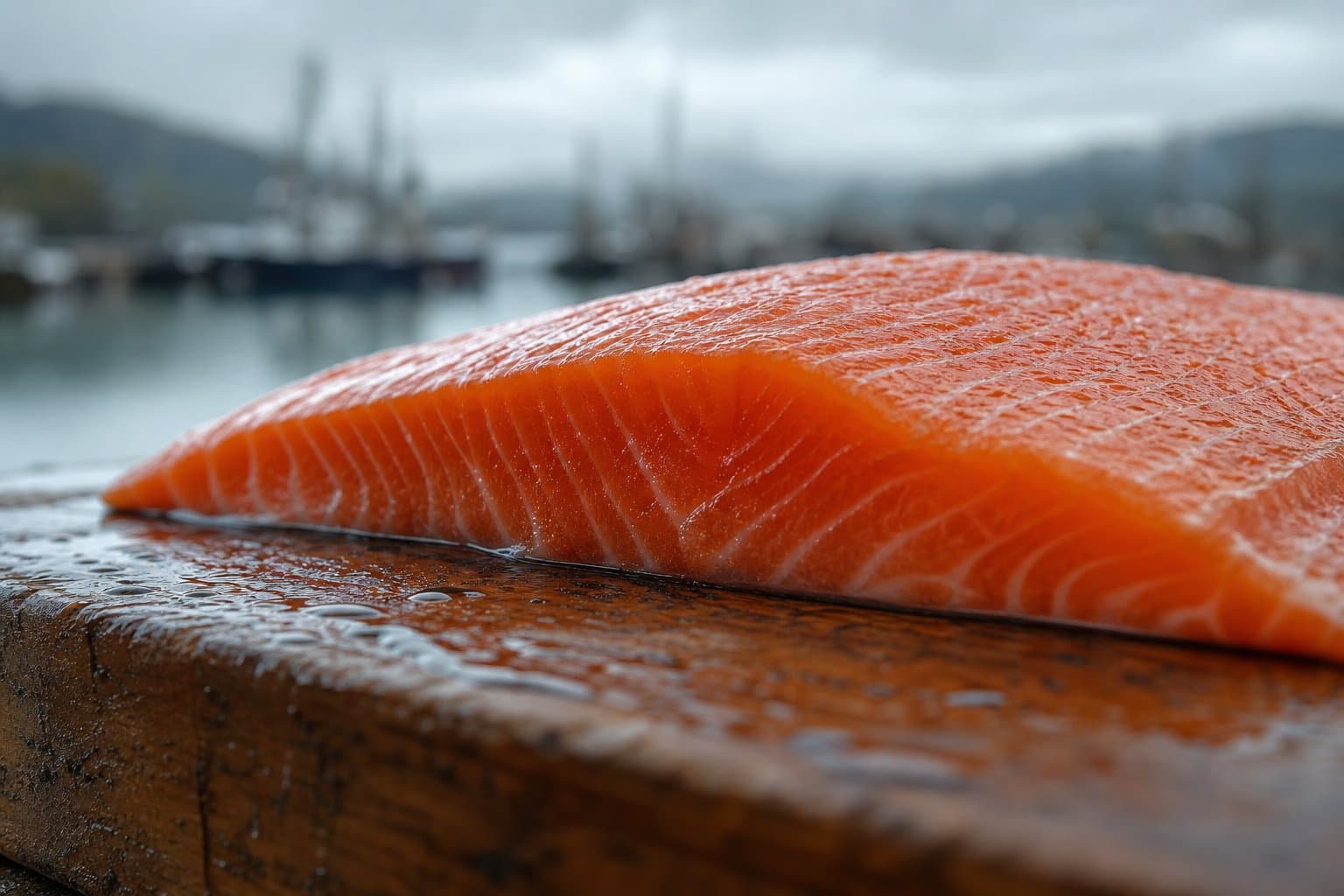
Alaska Native leaders demand Tribal salmon co-management at national convention
Years of low salmon returns have brought severe restrictions and closures of subsistence fisheries on the Arctic, Yukon, and Kuskokwim river systems, leaving Alaska Native communities without reliable access to salmon and other wild foods that Tribal leaders say supply the overwhelming share of rural dietary protein. Tribal leaders say they have been largely excluded from the management decisions driving that crisis. Alaska Native leaders brought that case to a national Indigenous audience on June 16, presenting a unified demand for Tribal co-management at the National Congress of American Indians Mid-Year Convention in Memphis, Tennessee, part of a four-day gathering scheduled June 14-17 at the Renasant Convention Center.
The panel, titled "One People, One Voice: Standing Up for Alaska's Salmon and Our Way of Life," brought together representatives from the Tanana Chiefs Conference, the Association of Village Council Presidents, the Alaska Federation of Natives, the Craig Tribal Association, and The Tatitlek Corporation. A separate Tanana Chiefs Conference account of the event also lists the Central Council of the Tlingit and Haida Indian Tribes of Alaska among the presenting organizations. Panelists described declining Chinook and chum salmon runs across those river systems as a compounding emergency, framing it as part of a broader Indigenous food-sovereignty and co-management struggle that has intensified as federal and state frameworks have repeatedly sidelined Tribal voices. Alaska Native Tribes and organizations have raised these concerns before NCAI on multiple occasions, submitting several resolutions seeking support for salmon stewardship, subsistence rights, Tribal co-management, and Indigenous food sovereignty.
"This is not only a fisheries issue; it is a food security crisis, a cultural crisis, and an equity issue," said Angela Totemoff, Vice President of Community and Shareholder Relations at The Tatitlek Corporation and Chair of the AFN Subsistence Committee.
Sharon Hildebrand, Chief/Chair of Tanana Chiefs Conference, said the conservation burden has landed hardest on the people with the least power in the management system. "Across Alaska, families have made extraordinary sacrifices in the name of conservation," Hildebrand said. "Many of our communities have gone years without the opportunity to harvest the salmon that have sustained them for generations. Yet the burden of conservation continues to fall disproportionately on subsistence users."
Vivian Korthuis, Chief Executive Officer of the Association of Village Council Presidents, named the structural problem directly. "Alaska Tribes have largely been excluded from co-management frameworks despite our inherent sovereignty, stewardship responsibilities, and deep cultural and subsistence reliance on salmon," Korthuis said.
Clinton E. Cook, President of the Craig Tribal Association, framed the Alaska crisis as a warning for Indigenous peoples everywhere and called on Tribal Nations across the country to stand with Alaska. "When one Tribe's ability to sustain its way of life is challenged, it is a warning to us all," Cook said. "We must come together, as one collective voice, to protect Indigenous rights everywhere."
Sources
Based on: View Transcript
AI-assisted, reviewed by editors. Spot an error?
Comments
Sign in to leave a comment.
No comments yet. Be the first to share your thoughts.