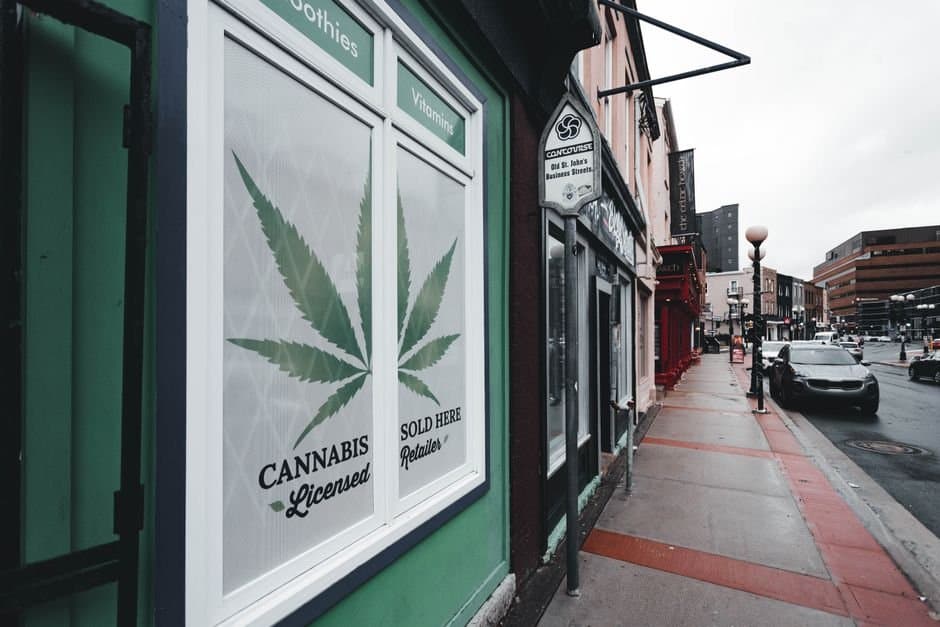
Photo by Erik Mclean on Pexels · Source
A decade after Alaskans legalized weed, the industry is thinning out
Alaska's marijuana licenses come up for renewal every year, and businesses that miss the deadline lose the right to operate. This year's cutoff is the end of August. But the more telling number is who doesn't come back, because roughly a decade after Alaskans voted to legalize cannabis, the industry is contracting.
Voters approved legal marijuana in 2014, and the first shops opened around 2016 into a fast boom, hundreds of businesses statewide across the whole chain: growers, retail stores, edible and concentrate makers, and testing labs. That growth has since reversed. State marijuana tax revenue has slid from about $30 million in 2021 to roughly $25 million in 2025 and is expected to keep falling. Last year around 25 growers simply didn't renew, and at a state Marijuana Control Board meeting, one longtime licensee said the industry felt like it was collapsing.
The cause isn't demand; Alaskans are still buying. It's the tax. Alaska taxes marijuana when it's grown rather than when it's sold, at rates set a decade ago when wholesale prices were high, and among the steepest in the country. Prices have since fallen sharply, so that fixed tax now takes a far bigger bite out of a grower's revenue. A legal ounce running a few hundred dollars at a licensed store also competes against illicit weed at a fraction of the price and cheaper intoxicating-hemp products sold outside the cannabis rules. Growers carry the tax and are disappearing fastest.
Lawmakers have been weighing changes to ease the pressure. In the meantime, the renewal deadline lands at month's end, and the list of who returns will be one more measure of how the industry is holding up.
AI-assisted, reviewed by editors. Spot an error?
Stay informed. Support what matters.
Free, permanent access to local news you can verify. Subscribe to support Walter AlaskaNews and go ad-free.
Related Coverage
Alaska Marijuana Control Board denies Anchorage cultivation license renewal over $633,000 tax debt
Alaska News · 8mo ago · 83% match
A Spenard Pot Shop Changes Hands as Anchorage's Market Cools
Alaska News · 1mo ago · 83% match
Alaska's legal cannabis growers say tax-free synthetic THC is sinking them
Alaska News · 2mo ago · 82% match
An Anchorage marijuana grower has to pay its back taxes before it can keep growing
Alaska News · 34m ago · 81% match
An Anchorage cannabis grower's license hinges on a $12,761 tax bill, with tonight the deadline
Alaska News · 2w ago · 81% match
Comments
Sign in to leave a comment.
No comments yet. Be the first to share your thoughts.