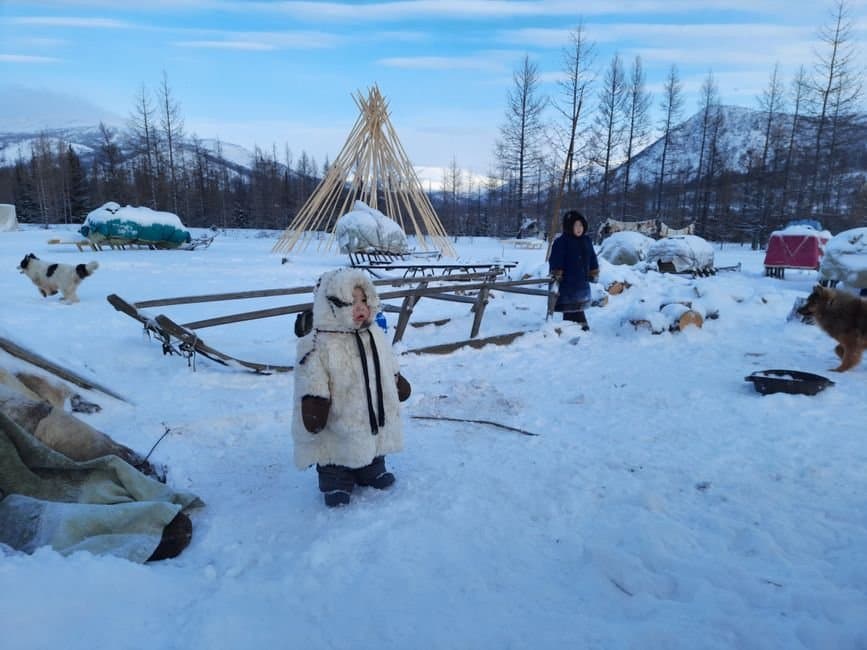
Photo by Sergei Shilenko on Pexels · Source
Alaska sets October-to-May RSV window; Native toddlers again qualify for a second dose
Alaska now recommends giving infants RSV protection October through May, and has added babies born preterm and children with Down syndrome to those who qualify for a second dose, in guidance the Alaska Section of Epidemiology published Monday. Providers may go outside it if RSV is still circulating or a child might not return.
Alaska Native and American Indian children between 8 and 19 months old again qualify for that second dose of the monoclonal antibody nirsevimab, as they have since the 2024-25 season. Nothing about their eligibility changed this year. Others who qualify have cystic fibrosis with severe lung disease, chronic lung disease requiring medical support, or severe immunocompromise. The recommended second-season dose is 200 milligrams, with doses separated by at least six months.
Nine Alaska residents died during the 2025-26 season with RSV listed as a contributing or underlying cause, the bulletin said, including one child who was not eligible for monoclonal administration. Rural Alaska Native children have historically been hospitalized for RSV at five times the rate of other US children.
A Yukon-Kuskokwim Delta study covering October 2023 through June 2024 found nirsevimab was 89% effective against RSV-associated hospitalization in infants' first season and 76% and 88% effective against medically attended illness, illness that brought a child in for care, in the first and second seasons. The estimates are wide: 32% to 98% around the 89%, 48% to 97% around the second-season 88%. The findings ran in the CDC's Morbidity and Mortality Weekly Report in November 2024.
That contrasts with research on other populations showing low or null effectiveness for a single second-season dose, with modeled estimates ranging from negative 8% to 37%. The bulletin does not address that disagreement directly but maintains the second-dose recommendation for this group.
Clesrovimab, the newer monoclonal, is not approved for children 8 months or older, leaving nirsevimab as the only second-season option. Doses are available through private purchase, the federal Vaccines for Children program and the Alaska Vaccine Assessment Program. VacTrAK, the state immunization registry, does not forecast doses for risk-based eligibility, so providers must identify eligible children.
The American Academy of Pediatrics includes the same group, saying these children "experience significantly higher rates of severe RSV disease and hospitalization," with rural and reservation communities most affected. Section epidemiologist Sarah Aho wrote the bulletin, which also covers adults.
Based on a press release from Alaska Health.
AI-assisted. No editor review is on record for this article. Who is accountable.
Stay informed. Support what matters.
Free, permanent access to local news you can verify. Subscribe to support Walter AlaskaNews and go ad-free.
Related Coverage
Alaska Native children under 10 had double the national rickets rate during 2001–2010, state report shows
Alaska News · 3mo ago
Alaska child vaccination rate at 55%, well below national average
Alaska News · 2mo ago
Alaska urges flu shots now as influenza activity climbs
Alaska News · 3d ago
State health bulletin finds nearly one in four critical heart defects in Alaska infants diagnosed late
Alaska News · 3mo ago
Alaska moves to open child care assistance to more working families
Alaska News · 1mo ago
Comments
Sign in to leave a comment.
No comments yet. Be the first to share your thoughts.