ADF&G warns Anchorage paddlers and dog walkers after two otter attacks
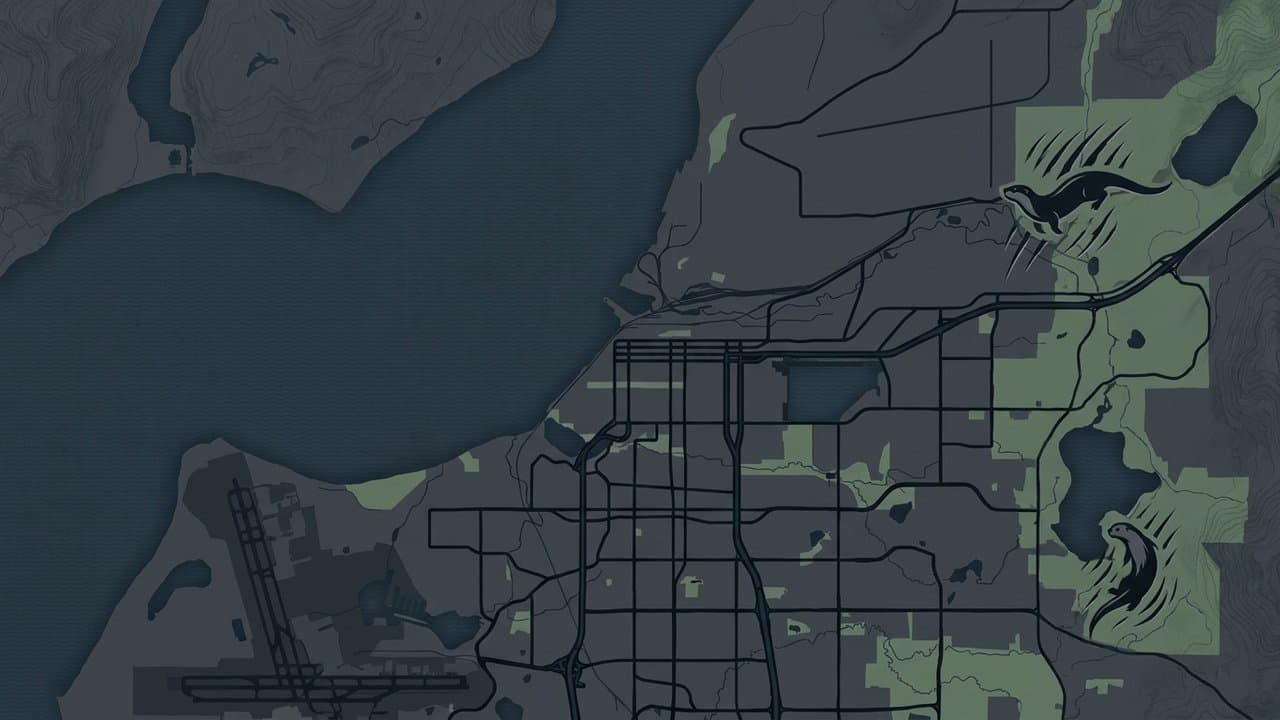
An adult was injured by a river otter on Aug. 18 along Campbell Creek near Taku Park, the second person hurt in an Anchorage otter attack in about three weeks. The Alaska Department of Fish and Game is telling people around local lakes and creeks, especially dog walkers and paddleboarders, to carry noise makers or bear spray and report aggressive animals.
The department said the otter approached the adult and a group of children along the creek. In late July, a child on a paddleboard was bitten after encountering a group of four river otters on Sand Lake in West Anchorage. The department also received reports of otters acting aggressively toward a dog in the area. Investigators determined the dog was not harmed.
If approached, ADF&G advises using such deterrents, leaving the area if possible, and notifying the department. Otters can be territorial and may threaten others, the release said. Pets should not be allowed to interact with them. Residents with otters frequenting their property should keep the animals away from rafts, kayaks, and paddleboards stored on dry land. ADF&G said it would remove animals exhibiting unusual behavior if public safety required it.
ADF&G said attacks are rare but have been reported in Anchorage over the last decade. In a September 2021 warning, the department described a child bitten near Dowling Road and Lake Otis Parkway and a woman bitten while rescuing her dog at University Lake. River otters move through connected lakes and streams across the municipality, and the department said the makeup of the group responsible for the recent attacks is unknown.
No case of rabies in river otters has been reported in Southcentral Alaska in recent years, the department said, though it cautioned that disease risk remains in any wildlife encounter.
Aggressive or unusual wildlife behavior should be reported through the department's 24/7 online wildlife encounter reporting tool. For immediate public safety concerns, call 911.
AI-assisted, reviewed by editors. Spot an error?
Stay informed. Support what matters.
Free, permanent access to local news you can verify. Subscribe to support Walter AlaskaNews and go ad-free.
Related Coverage
Brown bear injures hiker on Bear Valley trail above south Anchorage
Alaska News · 1mo ago · 81% match
Woman injured by brown bear sow near Bells Flats in Kodiak
Alaska News · 1h ago · 80% match
Trail runner injured by brown bear near Anchorage's Prospect Heights trailhead
Alaska News · 5d ago · 80% match
ADF&G warns moose attacks peak as calving season continues through June
Alaska News · 2mo ago · 79% match
A dog reported killed in the Bear Valley bear attack turned up alive
Alaska News · 3w ago · 77% match
Comments
Sign in to leave a comment.
No comments yet. Be the first to share your thoughts.