A Senate vote on the federal lands maintenance fund has major Alaska stakes
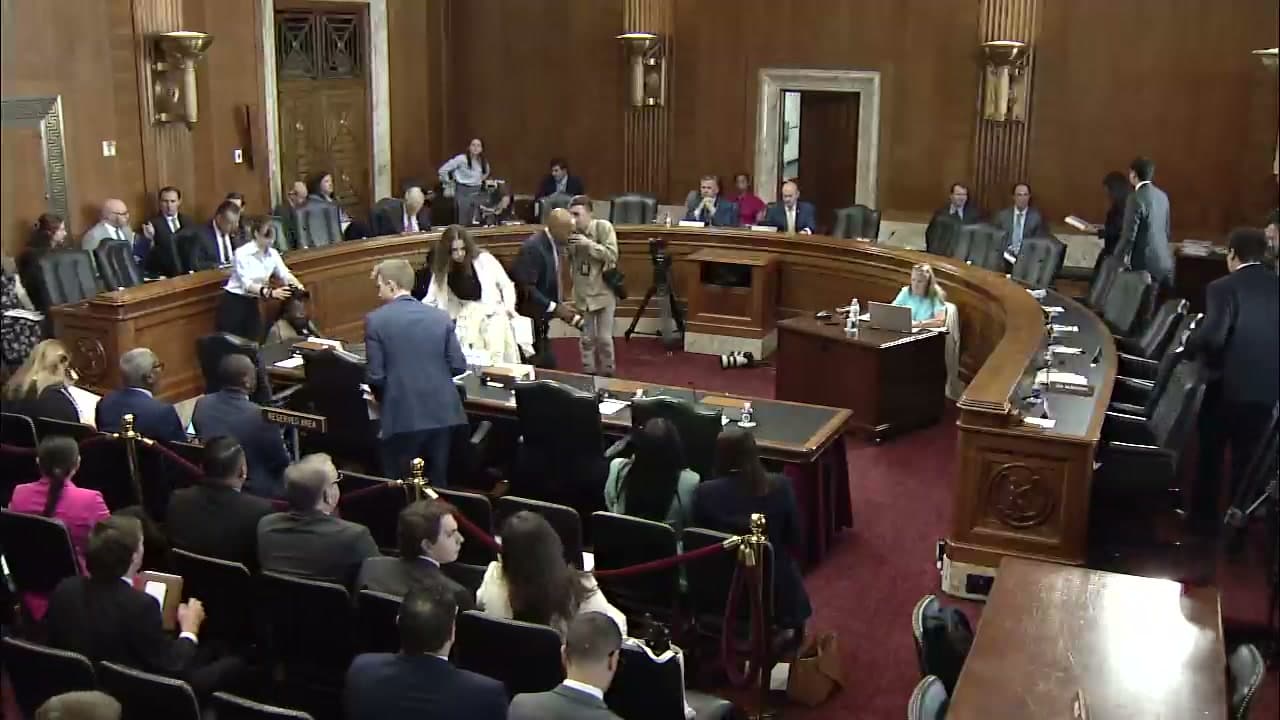
Alaska's federal lands — the 16 National Wildlife Refuges covering 76 million acres, the 8 national parks including Denali and Wrangell-St. Elias, the Tongass and Chugach National Forests — depend on a federal maintenance fund the Senate is now debating reauthorizing. About 60 percent of Alaska is federally managed land, more than any other state, and money from this fund has paid for trail repairs, visitor centers, employee housing, and dock work across those acres since 2020. On Wednesday, the Senate Energy and Natural Resources Committee advanced S.1547, the reauthorization bill, by voice vote — with Sen. Lisa Murkowski, a key author of the original Great American Outdoors Act, working through the night to shape it.
The Legacy Restoration Fund, created by GAOA in 2020, provides up to $1.6 billion annually for deferred maintenance at the National Park Service (70 percent), the U.S. Forest Service (15 percent), the U.S. Fish and Wildlife Service (5 percent), the Bureau of Land Management (5 percent), and Bureau of Indian Education schools (5 percent). The money comes from energy development revenues on federal lands and waters. The original five-year authorization expires in 2025; S.1547 would reauthorize it.
For Alaska, the percentages translate to substantial money. The state hosts more National Wildlife Refuge acreage than the rest of the country combined, the largest National Forest (the Tongass), and parks that draw millions of visitors annually. Maintenance work funded through GAOA has supported projects at Denali, Wrangell-St. Elias, Katmai, Kenai Fjords, the Tongass and Chugach, and refuge facilities across the state — the kind of work that determines whether trails are open, visitor centers are staffed, and infrastructure supporting tourism, hunting, fishing, and subsistence access actually functions.
Committee Chairman Caleb Lee voted for the bill but flagged a core problem with the underlying maintenance issue. "At the time of passage of GOA, the deferred maintenance backlog across federal land management agencies clocked in at about $26 billion," Lee said. "Today, after 6 years and roughly $10 billion taxpayer dollars, that maintenance backlog has skyrocketed up to $43 billion." Lee said the bill remains only partially offset.
Murkowski's staff worked through the night to protect congressional oversight of maintenance priorities and guard against political interference by any administration. That position reflects a structural concern that federal land agencies can shift priorities based on which administration is in office — and that congressional appropriation and oversight requirements give Alaska, where federal land decisions have enormous local consequence, a more predictable role in how funds are spent.
The bill still faces the full Senate floor, a House process, and unresolved offset questions before reaching the president's desk. For Alaska, the substantive question is whether reauthorization continues the level of investment that has supported maintenance work across the state's federal land system, or whether the offset questions Lee flagged result in reduced funding before final passage.
This article is based on a public meeting of Senate Energy and Natural Resources (Murkowski) — Senate Energy and Natural Resources (Murkowski): Business meeting to consider S.1547, to amend title 54, United States Code, to reauthorize the National Parks and Public Land Legacy Restoration Fund. ().
Drafted with AI. Edited by Cale Green. No full editor review is on record. Who is accountable. Transcript byLucas Brown
Stay informed. Support what matters.
Free, permanent access to local news you can verify. Subscribe to support Maggie AlaskaNews and go ad-free.
Related Coverage
A renewed federal fund to fix public lands could land hardest in Alaska
Alaska News · 2mo ago
Foreign-visitor park fee survives a House vote, with stakes for Alaska
Alaska News · 2mo ago
Senate committee advances bill to give land to five landless SE Alaska Native communities
Alaska News · 2mo ago
A federal expansion of hunting and fishing access on national wildlife refuges would land most heavily in Alaska
Alaska News · 3mo ago
The program mapping Alaska's subsurface runs out at the end of the year
Alaska News · 1d ago
Comments
Sign in to leave a comment.
No comments yet. Be the first to share your thoughts.