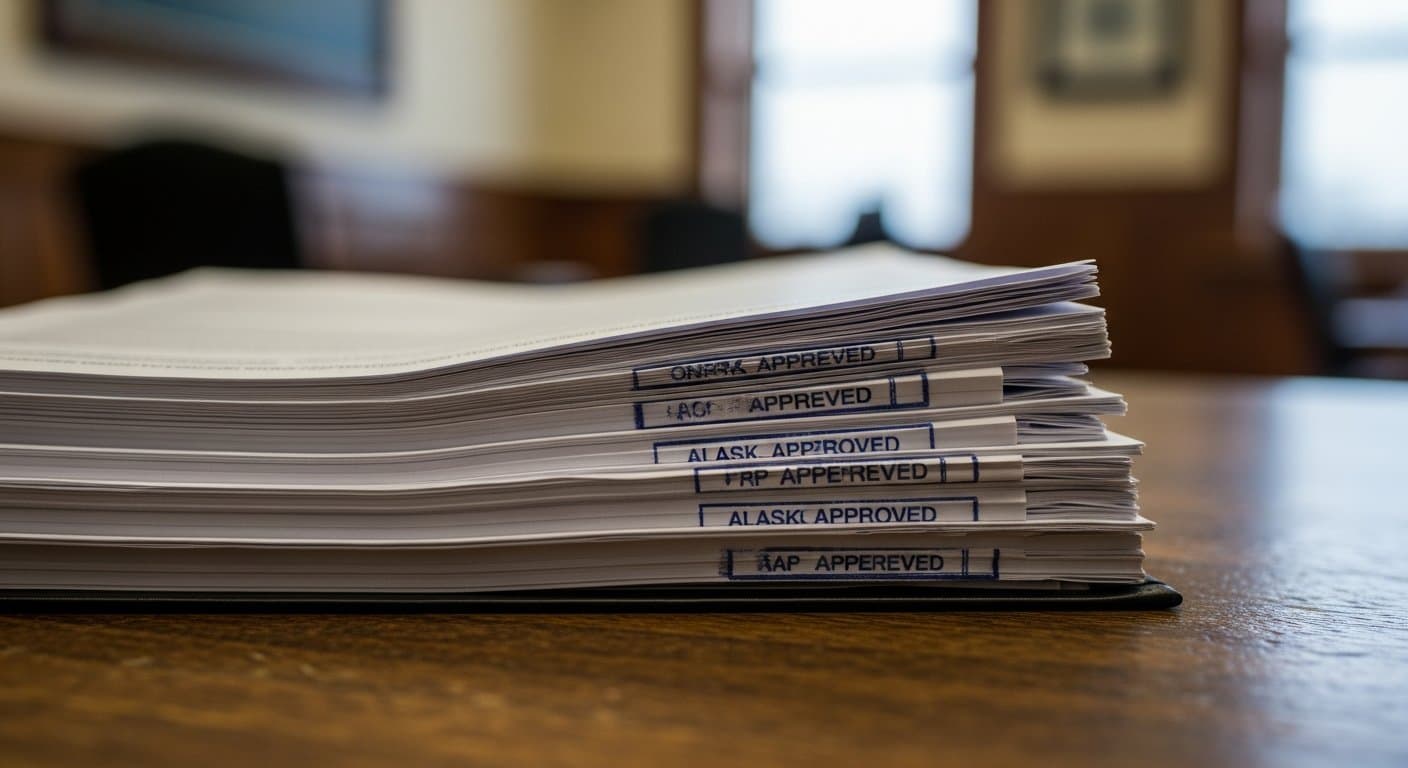
AI image
A federal royalty-rule change could shortchange the states and tribes it's owed to
When oil, gas, or coal comes out of public and tribal land, the royalties are supposed to flow back to the people who own it — states, tribes, and individual Native mineral owners, who receive 100 percent of the revenue from their own lands.
A federal proposal to change how those royalties are calculated has watchdogs warning that less of that money could actually make it through.
The Office of Natural Resources Revenue, the Interior Department bureau that collects and distributes those royalties — more than $10 billion in the current fiscal year alone — wants to simplify how the value of extracted minerals is calculated. The agency says the change would cut compliance costs for industry and government and, in its words, "incentivize production to unleash energy dominance."
A January audit by Interior's own inspector general found the agency was already failing to properly identify and collect the penalties owed when companies underpay.
Simplifying the valuation rules without first closing that enforcement gap, watchdog groups argue, could leave even more money owed to the public uncollected — money that would otherwise reach state treasuries, conservation funds, and tribal and Native mineral owners.
Source: Office of Natural Resources Revenue, Office of Natural Resources Revenue: Federal Oil, Gas, and Coal Amendments.
AI-assisted. How we use AI
Stay informed. Support what matters.
Free, permanent access to local news you can verify. Subscribe to support Maggie AlaskaNews and go ad-free.
Related Coverage
A federal rule could stick Alaskans with abandoned-well cleanup costs
Alaska News · 3mo ago
ConocoPhillips' Disclosed Alaska Royalties Fell 58% in Two Years
Alaska News · 2w ago
A fight over whether North Slope oil money stays local or goes to the whole state
Alaska News · 1mo ago
A proposed rule would cut years of NPR-A oil review down to 60 days
Alaska News · 3w ago
A federal rule would let NPR-A drilling spread pad by pad, skipping environmental study
Alaska News · 2w ago
Comments
Sign in to leave a comment.
No comments yet. Be the first to share your thoughts.