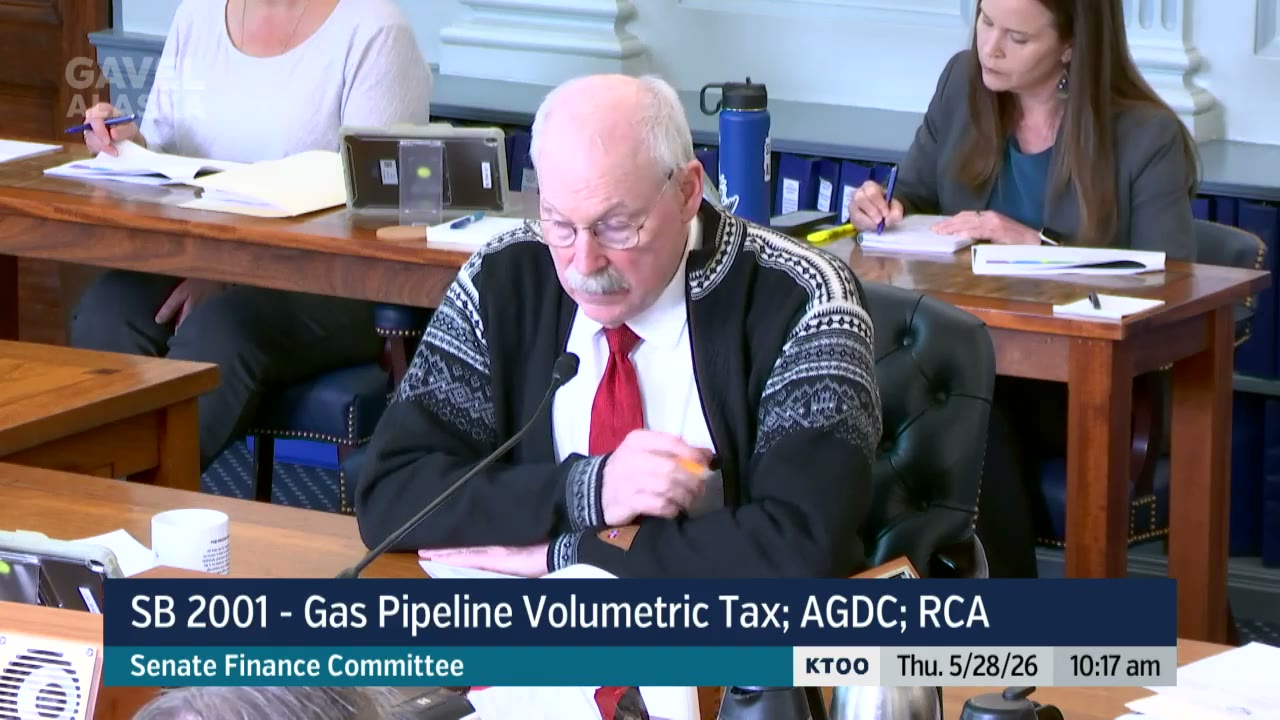
Bert Stedman
81:30 - 82:15
"what's not straightforward is 70% of 45, which is about $30 billion in debt, And a more realistic number, just dealing with some of the cost escalations, uh, is in the neighborhood of $60 billion, maybe over, because from what we understand, that, uh, construction and pipeline construction costs have escalated a little faster than inflation. So it's probably somewhere north of $60, but just using $60, that's a debt increase of $12 billion. $12 Billion is a big cash flow payment to meet in and of itself."
“what's not straightforward is 70% of 45, which is about $30 billion in debt, And a more realistic number, just dealing with some of the cost escalations, uh, is in the neighborhood of $60 billion, maybe over, because from what we understand, that, uh, construction and pipeline construction costs have escalated a little faster than inflation. So it's probably somewhere north of $60, but just using $60, that's a debt increase of $12 billion. $12 Billion is a big cash flow payment to meet in and of itself.”
- Speaker
- Bert Stedman
- Timestamp
- 81:30 – 82:15
- Source
- SFIN-260528-0900
- Community
- Alaska News
- Captured at
- May 28, 2026
From the transcript
Pretty straightforward. But what's not straightforward is 70% of 45, which is about $30 billion in debt, And a more realistic number, just dealing with some of the cost escalations, uh, is in the neighborhood of $60 billion, maybe over, because from what we understand, that, uh, construction and pipeline construction costs have escalated a little faster than inflation. So it's probably somewhere north of $60, but just using $60, that's a debt increase of $12 billion. $12 Billion is a big cash flow payment to meet in and of itself. So when we start looking at the cash flow modeling, that's a significant issue.