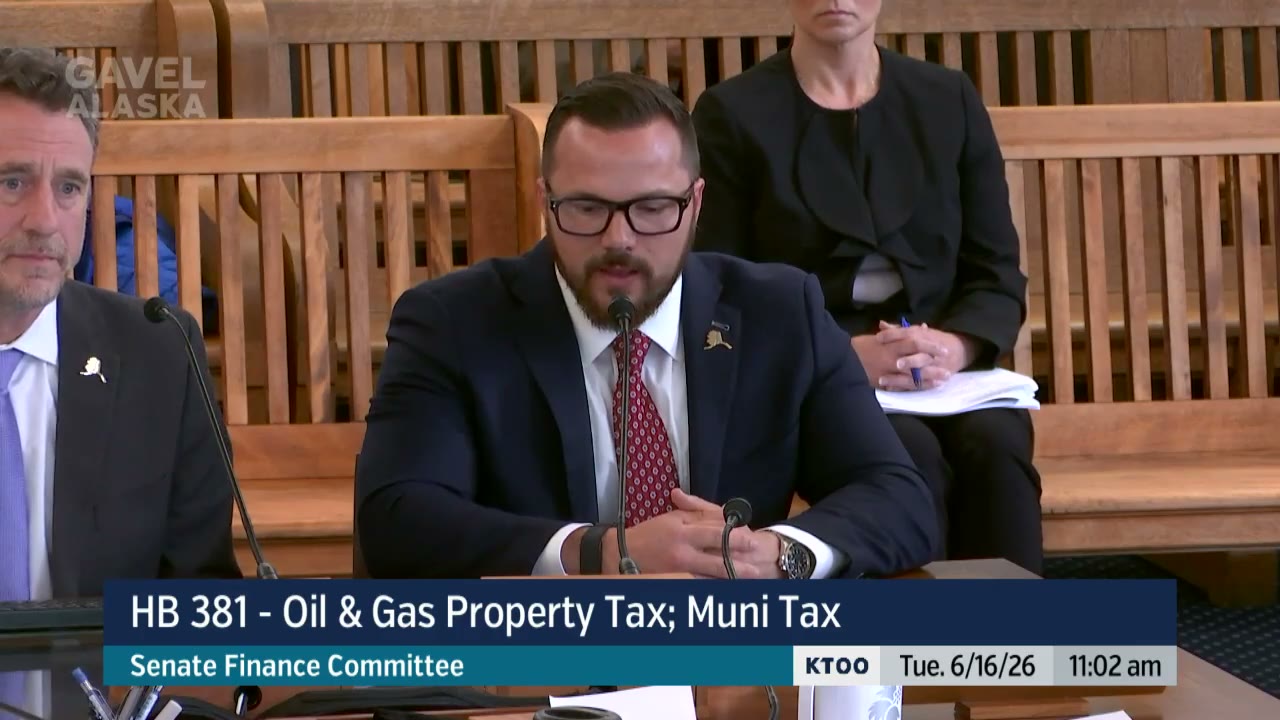
Adam Prestidge
93:35 - 94:24
"when the financing sources are looking to put money into pay for the construction of the project, they're going to be taking the most conservative forecast of the cost of the project and the financial burdens on the project. And so if there's any possibility that after a period of time the tax rate would revert back to 20 mils, that's what lenders and investors would assume will happen because they'll take the most conservative view. And so that's the reason why the 2060 date is is so important."
“when the financing sources are looking to put money into pay for the construction of the project, they're going to be taking the most conservative forecast of the cost of the project and the financial burdens on the project. And so if there's any possibility that after a period of time the tax rate would revert back to 20 mils, that's what lenders and investors would assume will happen because they'll take the most conservative view. And so that's the reason why the 2060 date is is so important.”
- Speaker
- Adam Prestidge
- Timestamp
- 93:35 – 94:24
- Community
- Alaska News
- Location
- Alaska
- Captured at
- June 16, 2026
From the transcript
One question to that would be, well, how about we just put on a short-term abatement and then sometime during that period of years we come up with an adjustment to the mill rate so there isn't a 20 mills at the end of that abatement period. But unfortunately, that doesn't— that doesn't work for providing certainty up front to the lenders and investors who will fund construction. And so when the financing sources are looking to put money into pay for the construction of the project, they're going to be taking the most conservative forecast of the cost of the project and the financial burdens on the project. And so if there's any possibility that after a period of time the tax rate would revert back to 20 mils, that's what lenders and investors would assume will happen because they'll take the most conservative view. And so that's the reason why the 2060 date is is so important.