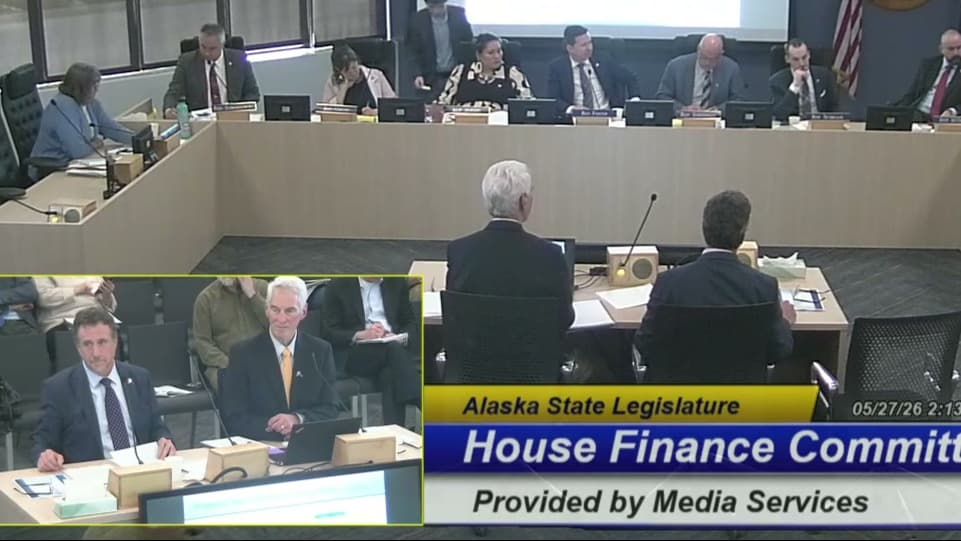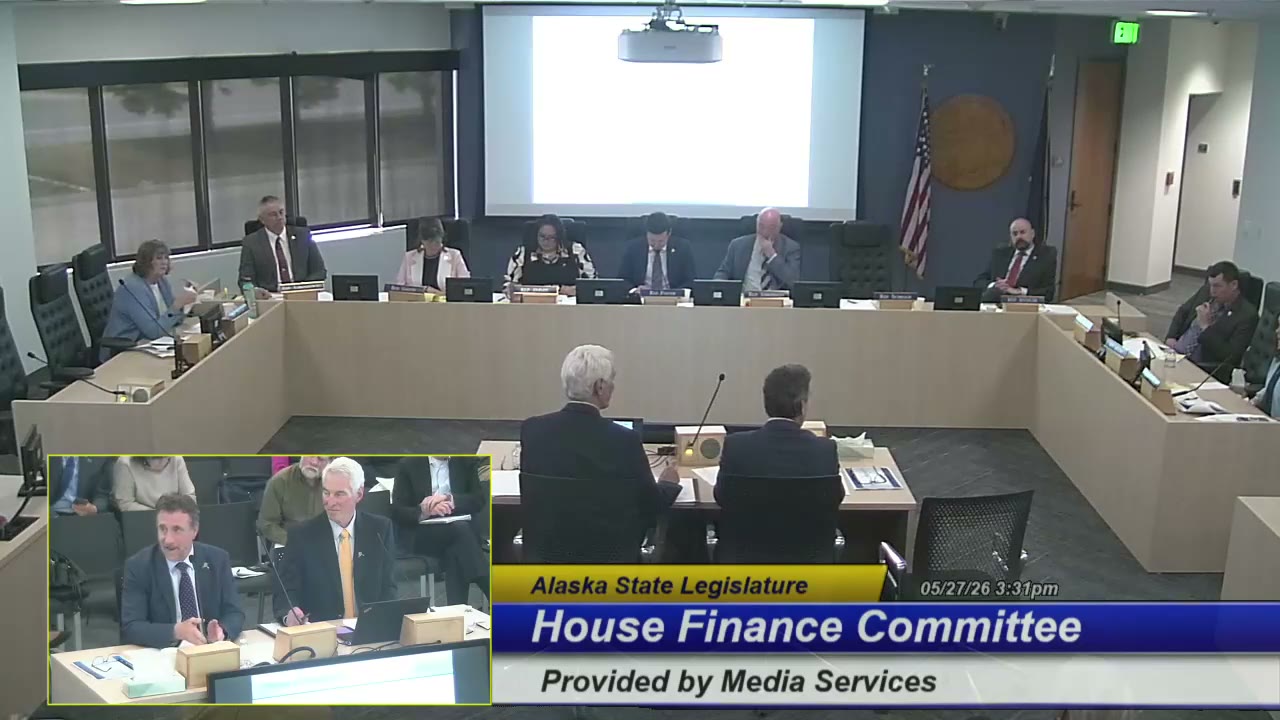
Matt Kissinger
125:40 - 126:07
"If you look at Canada versus Alaska, they have It's a fairly well-known resource, but it's an undeveloped resource that requires drilling and development through the life of those projects. It's the Montney and the Horn Rivers, tight, tight oil and gas up in northern BC and Alberta. They have the pipeline that had to go over the coastal range. We get to avoid the coastal range."
“If you look at Canada versus Alaska, they have It's a fairly well-known resource, but it's an undeveloped resource that requires drilling and development through the life of those projects. It's the Montney and the Horn Rivers, tight, tight oil and gas up in northern BC and Alberta. They have the pipeline that had to go over the coastal range. We get to avoid the coastal range.”
- Speaker
- Matt Kissinger
- Timestamp
- 125:40 – 126:07
- Source
- HFIN-260527-1330
- Community
- Alaska News
- Location
- Alaska
- Captured at
- May 27, 2026
From the transcript
If you look at Canada versus Alaska, they have It's a fairly well-known resource, but it's an undeveloped resource that requires drilling and development through the life of those projects. It's the Montney and the Horn Rivers, tight, tight oil and gas up in northern BC and Alberta. They have the pipeline that had to go over the coastal range. We get to avoid the coastal range. It's the hardest part of building TAPS.
Related Coverage
AGDC tells House Finance that Alaska property tax is 10 times higher than competing LNG projects
Alaska Gasline Development Corporation testified to the House Finance Committee that Alaska's property tax structure would impose costs roughly 10 times higher than competing LNG projects, with potential annual taxes exceeding $800 million compared to $50 million at the next-highest jurisdiction. AGDC officials said property tax restructuring has been identified as a critical economic lever since 2020, though they acknowledged waiting until late March 2026 to bring legislation forward was a timing mistake.
 by Bill AlaskaNews3mo ago3 min readAI