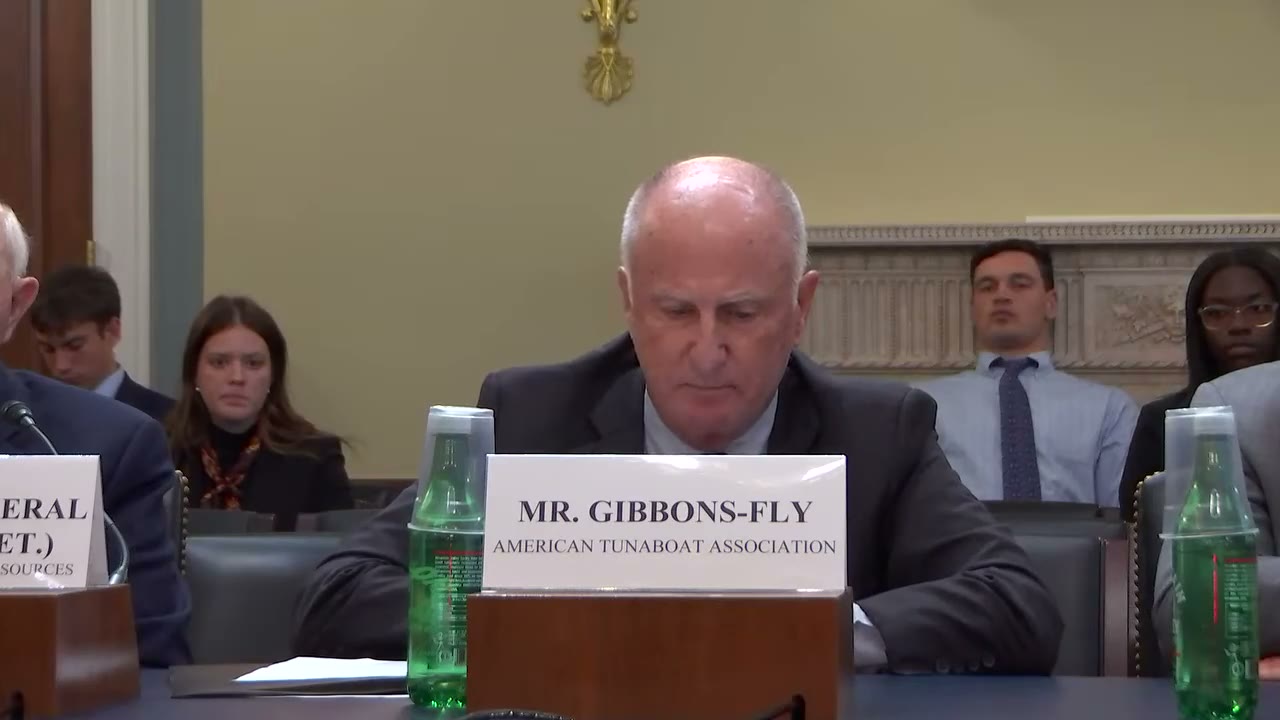
William Gibbons-Fly
114:49 - 115:51
"Within two years of the expansion of the monument, one of the two canneries operating in American Samoa at the time closed, resulting in the loss of 800 jobs."
“Within two years of the expansion of the monument, one of the two canneries operating in American Samoa at the time closed, resulting in the loss of 800 jobs.”
- Speaker
- William Gibbons-Fly
- Timestamp
- 114:49 – 115:51
- Source
- House Natural Resources Subcommittee on Water, Wildlife and Fisheries (Begich): Legislative Hearing
- Community
- Alaska News
- Location
- Alaska
- Captured at
- June 3, 2026
From the transcript
In this short oral statement, with the remaining time available, I will focus on the economic impact of the Pacific Marine Monuments on the fishing industry in both Hawaii and American Samoa. The Pacific Remote Islands Marine National Monument was established in 2009 and expanded in 2014 to include the entire use around Wake Island, Johnson Atoll and Jarvis Island. Within two years of the expansion of the monument, one of the two canneries operating in American Samoa at the time closed, resulting in the loss of 800 jobs. Moreover, Jarvis island shares an extensive maritime boundary with the Republic of Kiribati. Excluded from the USCEZ around Jarvis Island, US vessels must pay $12,000 per vessel per day for access to the Kiribati EEZ, which is just across an imaginary line in the ocean from where they are prohibited from operating in the US eez.
Related Coverage
Alaska fishery disaster funds stalled at OMB despite congressional approval
Federal fishery disaster relief funds approved by Congress in December 2024 remain unreleased, with NOAA officials unable to provide a timeline for when the money will reach Alaska and West Coast fishing families waiting for relief from disasters that occurred up to five years ago.
 by Alaska News3mo ago1 min read
A House bill on NOAA workplace safety is built on data from Alaska — where a third of fisheries observers report harassment or assault
A House subcommittee heard testimony on legislation to expand sexual harassment protections for NOAA employees and contractors, including fisheries observers. The bill follows a report that nearly one-third of North Pacific observers experience harassment or assault annually.
by Alaska News3mo ago2 min read
Begich bill to expand commerce in Alaska sea otter handicrafts gets first congressional hearing
They really otter let them do that
by Alaska News3mo ago2 min read