Matt Albert
8:22 - 8:50
"Pike definitely orient towards structure, be it the shoreline or sunken trees or weed beds or lily pads. They like having some cover because they're primarily an ambush predator. Generally, they're sitting and waiting or moving really slowly, hunting for food."
“Pike definitely orient towards structure, be it the shoreline or sunken trees or weed beds or lily pads. They like having some cover because they're primarily an ambush predator. Generally, they're sitting and waiting or moving really slowly, hunting for food.”
- Speaker
- Matt Albert
- Timestamp
- 8:22 – 8:50
- Community
- Alaska News
- Location
- Alaska
- Captured at
- July 1, 2026
From the transcript
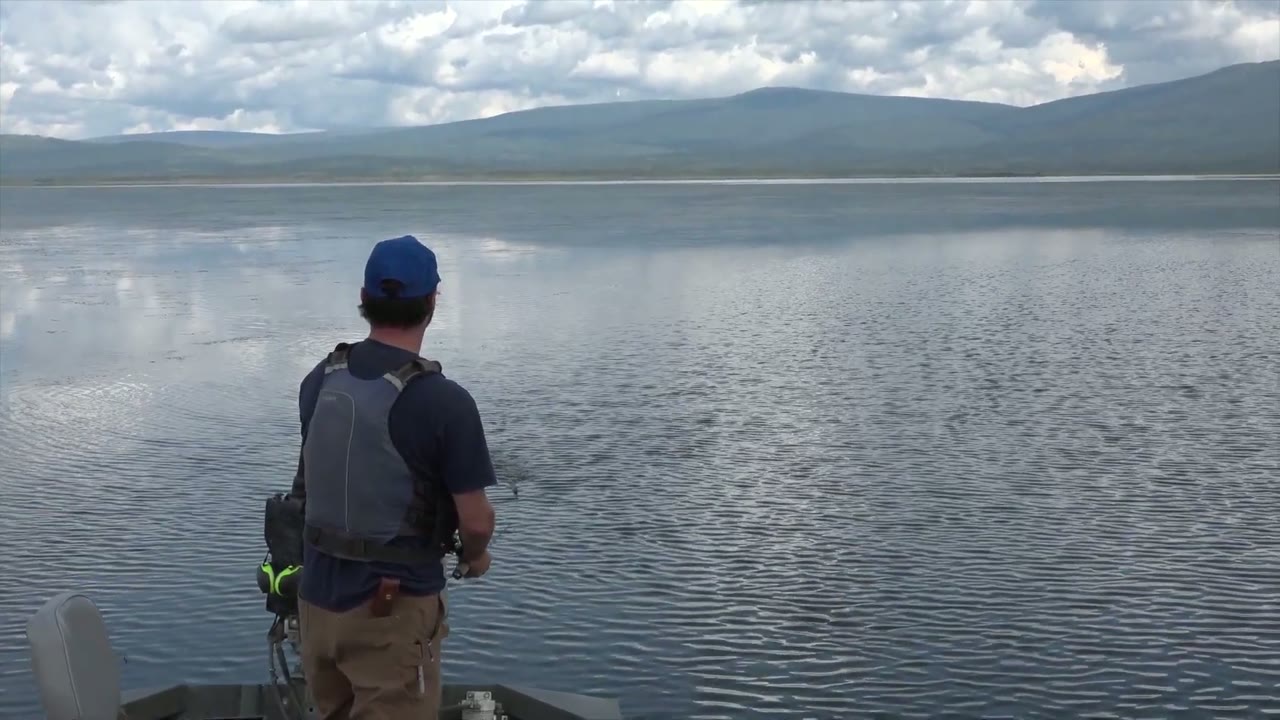
Right now we're just drifting with the wind, roughly following the shoreline but staying 100 or a couple hundred yards off and fishing around these patches of weeds with open areas in them, looking for some bigger fish. Pike definitely orient towards structure, be it the shoreline or sunken trees or weed beds or lily pads. They like having some cover because they're primarily an ambush predator. Generally, they're sitting and waiting or moving really slowly, hunting for food.