Speaker A
10:55 - 11:40
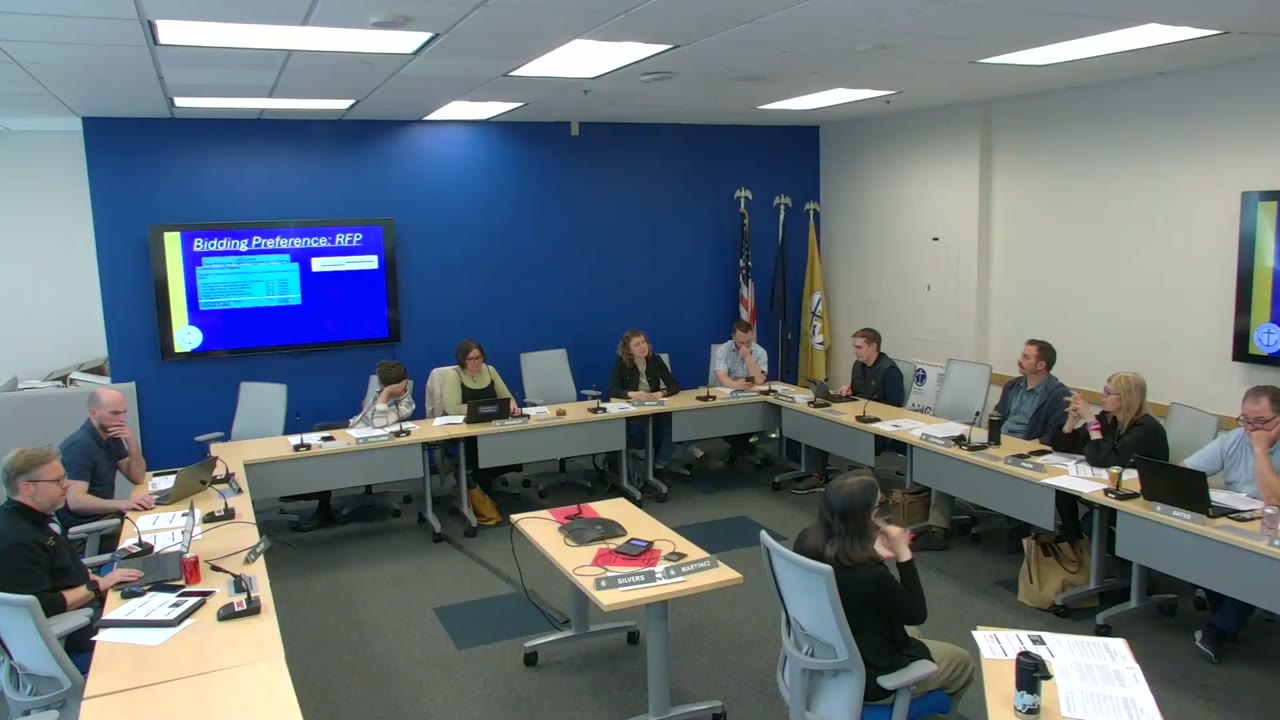
"when we give any kind of preference, a local preference, a veterans preference, other communities have disadvantaged business entity preferences, disabled preferences, you are willing to pay more in the ITB context to advance that policy goal. In the RFP context, you're willing to go with not your preferred best option, but to the second or third place option, depending on who gets the preference, again, to advance that policy goal."
“when we give any kind of preference, a local preference, a veterans preference, other communities have disadvantaged business entity preferences, disabled preferences, you are willing to pay more in the ITB context to advance that policy goal. In the RFP context, you're willing to go with not your preferred best option, but to the second or third place option, depending on who gets the preference, again, to advance that policy goal.”
- Speaker
- Speaker A
- Timestamp
- 10:55 – 11:40
- Community
- Alaska News
- Location
- Anchorage
- Captured at
- May 27, 2026
From the transcript
Okay, and so we've made it through our two scenarios where we've actually applied a preference. So I think that all means that we have a juicy policy question for the Assembly right now, which is, I think the way this framework presents is, when we give any kind of preference, a local preference, a veterans preference, other communities have disadvantaged business entity preferences, disabled preferences, you are willing to pay more in the ITB context to advance that policy goal. In the RFP context, you're willing to go with not your preferred best option, but to the second or third place option, depending on who gets the preference, again, to advance that policy goal. That is an interesting legislative choice to make. That is, I think, the choice that you're being presented with now.
Related Coverage
Anchorage veteran preference could exclude recent Afghanistan, Iraq vets
Anchorage Assembly debated Wednesday whether a proposed five-year eligibility window for veteran procurement preferences would exclude combat veterans who served in Afghanistan and Iraq.
 by Walter AlaskaNews3mo ago1 min readAI