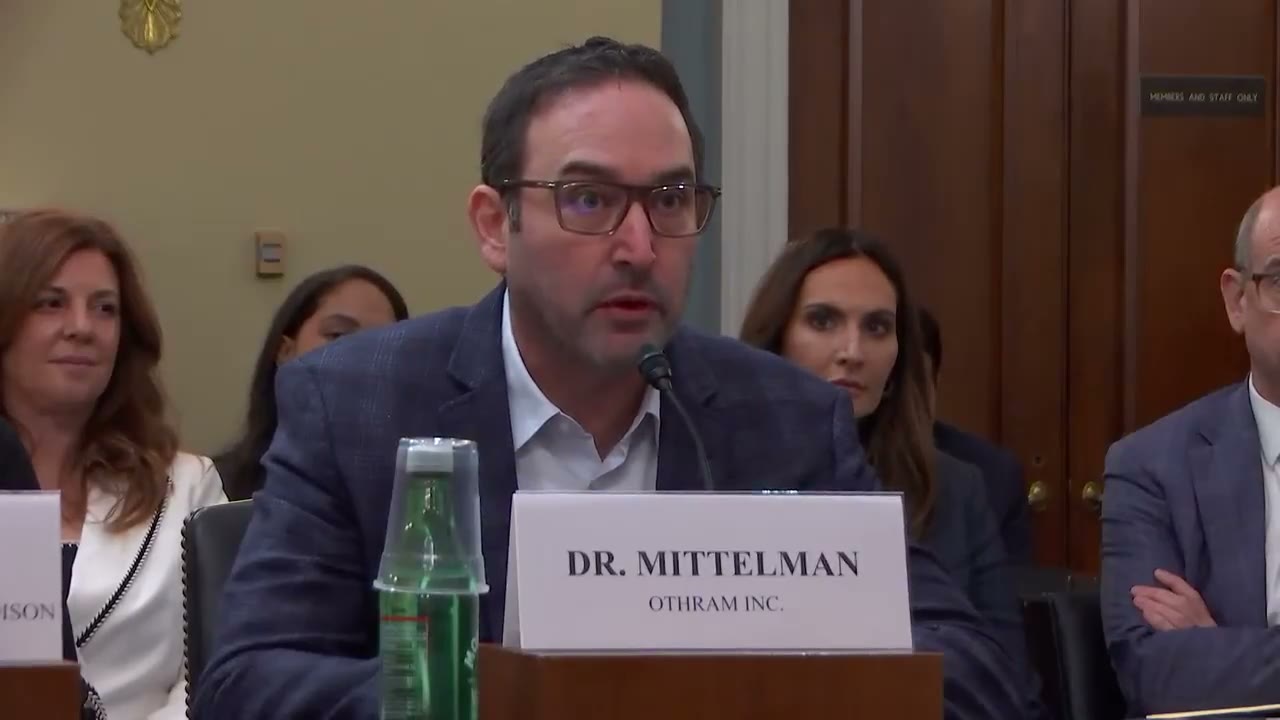
David Mittelman
120:07 - 120:49
"in a retrospective study that we did, we found that almost 25% of the time, just identifying the person almost immediately tells you who is responsible, and it's led to the identification and prosecution of those responsible."
“in a retrospective study that we did, we found that almost 25% of the time, just identifying the person almost immediately tells you who is responsible, and it's led to the identification and prosecution of those responsible.”
- Speaker
- David Mittelman
- Timestamp
- 120:07 – 120:49
- Community
- Alaska News
- Captured at
- July 14, 2026
From the transcript
How do you investigate the case if you don't even know who the victim is? In fact, in a retrospective study that we did, we found that almost 25% of the time, just identifying the person almost immediately tells you who is responsible, and it's led to the identification and prosecution of those responsible. Furthermore, families continue to suffer with no answers. And as it was stated early in the, in the process, in the first panel, there's, there's a kind of an opportunity for people to prey on populations that don't get the resources and the technology to solve these cases. And so as these cases remain unsolved, it provides that opportunity for predators to come in and prey on more people.
Related Coverage
The federal unit handling Alaska's MMIP cases can't return a family's calls
A Crow Nation professor told a House subcommittee Tuesday that her family has gone 10 months without a response from the federal Missing and Murdered Unit on her niece's 2019 murder, while the primary agent on the case was reassigned and then resigned. BIA's top law enforcement official defended new task force structures and AI tools but acknowledged the unit can always do better.
 by Maggie AlaskaNews2mo ago2 min readAI