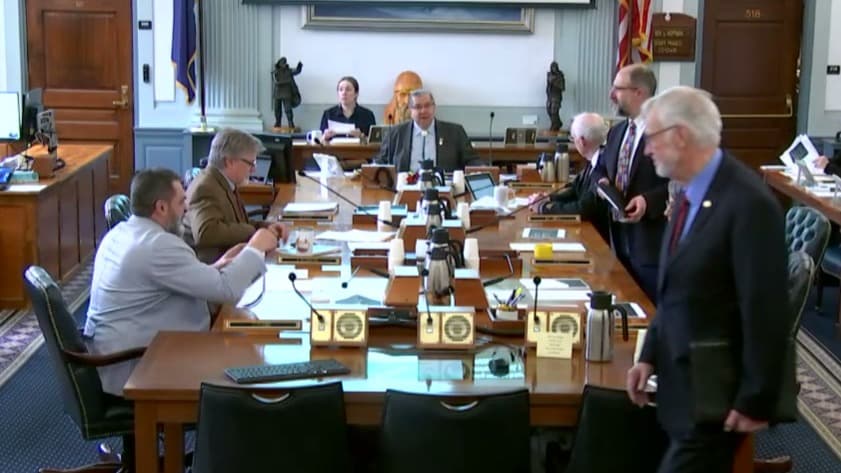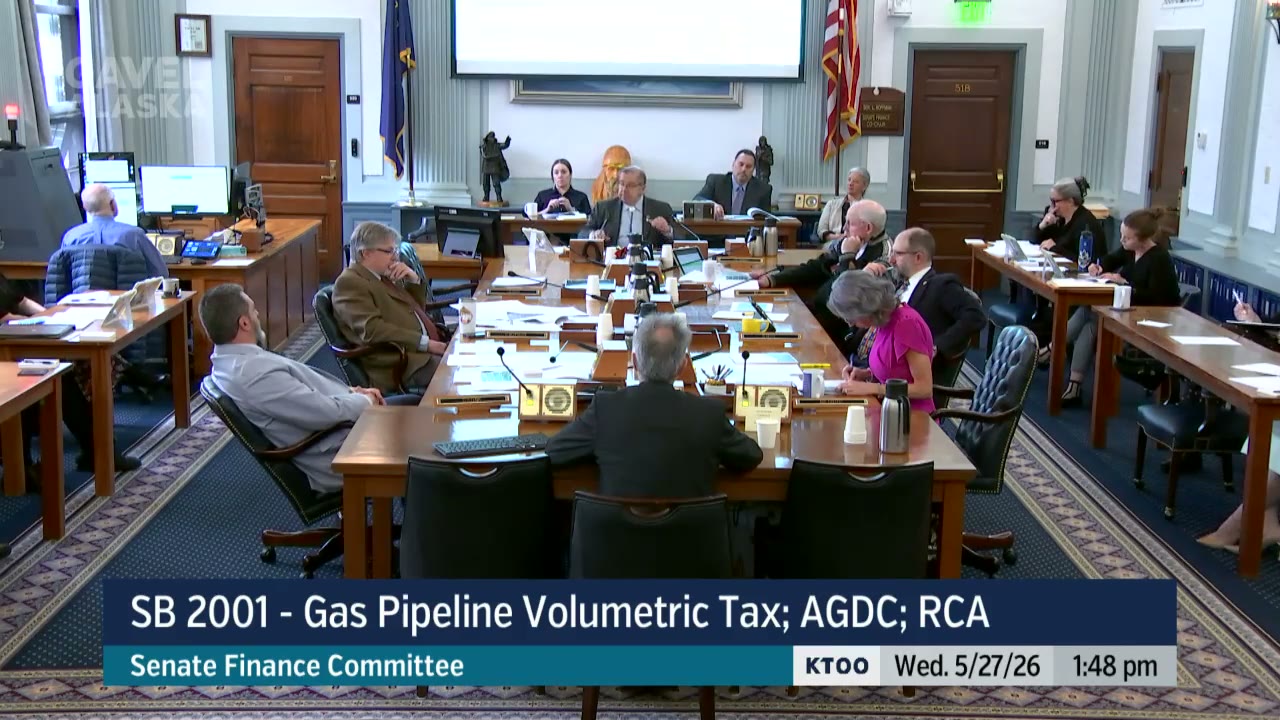
Nicholas Fulford
22:42 - 24:07
"the legislature at the time, they were kind of looking at landed LNG prices in Japan, which probably about $15, $18 at the time, and they were looking at the wholesale gas value in British Columbia, which might have been a couple of dollars, and, and they're looking at that arbitrage and thinking, well, my goodness, that there's a huge amount of profit here to be captured, so we need to make sure that's taxed. So they introduced, um, an LNG project tax"
“the legislature at the time, they were kind of looking at landed LNG prices in Japan, which probably about $15, $18 at the time, and they were looking at the wholesale gas value in British Columbia, which might have been a couple of dollars, and, and they're looking at that arbitrage and thinking, well, my goodness, that there's a huge amount of profit here to be captured, so we need to make sure that's taxed. So they introduced, um, an LNG project tax”
- Speaker
- Nicholas Fulford
- Timestamp
- 22:42 – 24:07
- Source
- SFIN-20260527-1330
- Community
- Alaska News
- Location
- Alaska
- Captured at
- May 27, 2026
From the transcript
Thank you. So the LNG Canada story is an interesting one and one that we can go into in more detail if it's appropriate. So in, in the early 2010s, when it became clear that, um, you know, the shale gas revolution had, had opened up so many of these unconventional basins and was producing, you know, huge reserves of, of low-cost natural gas, there was this rush of interest in LNG in British Columbia, as, as in, in the Gulf Coast. And the legislature at the time, they were kind of looking at landed LNG prices in Japan, which probably about $15, $18 at the time, and they were looking at the wholesale gas value in British Columbia, which might have been a couple of dollars, and, and they're looking at that arbitrage and thinking, well, my goodness, that there's a huge amount of profit here to be captured, so we need to make sure that's taxed. So they introduced, um, an LNG project tax intended to make sure that there was an appropriate level of government take in terms of how those contracts would work.
Related Coverage
Alaska LNG faces tax competition from Canadian projects with federal support
Senate Finance heard Wednesday that British Columbia's LNG Canada project received federal tax deferrals and accelerated depreciation before final investment decision, creating a competitive fiscal framework Alaska must consider as it weighs property tax alternatives for Alaska LNG.
 by Walter AlaskaNews3mo ago2 min readAI