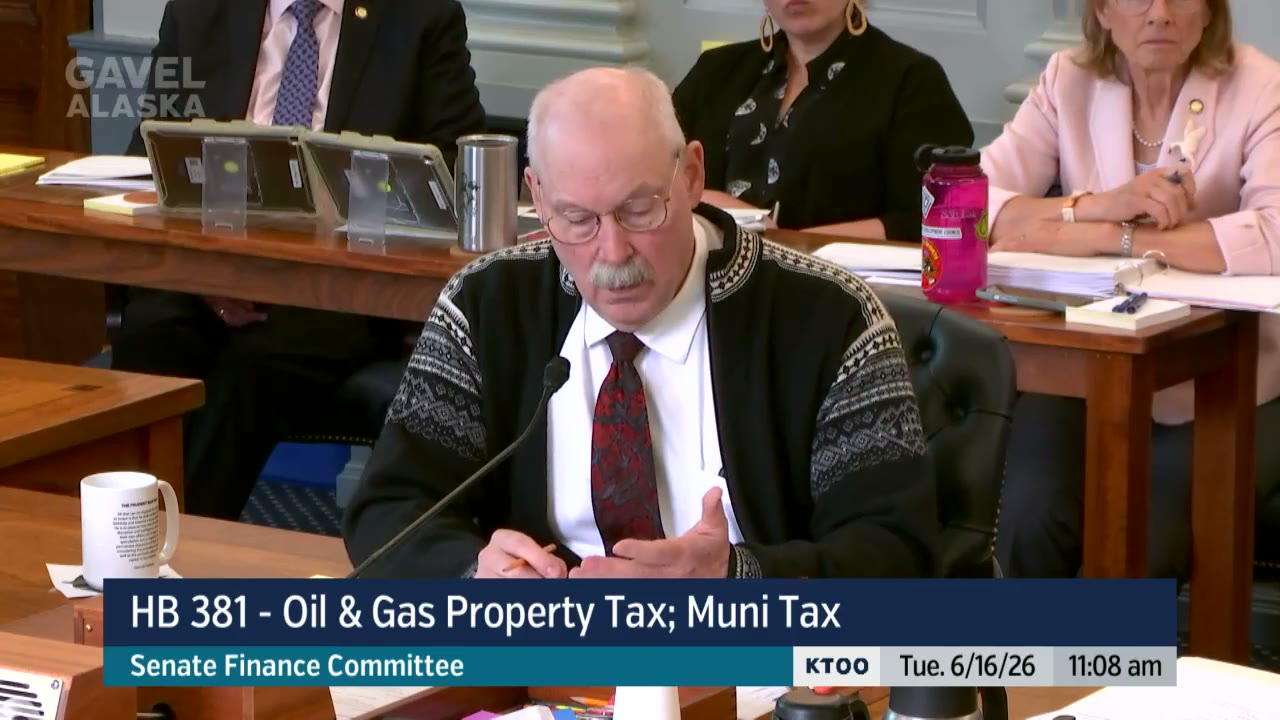
Bert Stedman
99:30 - 100:14
"what is the economic impact of this— concession being asked for on the pipeline itself, not the conditioning plant, not the liquefaction plant, but the pipeline, and how does it move the economic model and cash flows."
“what is the economic impact of this— concession being asked for on the pipeline itself, not the conditioning plant, not the liquefaction plant, but the pipeline, and how does it move the economic model and cash flows.”
- Speaker
- Bert Stedman
- Timestamp
- 99:30 – 100:14
- Community
- Alaska News
- Location
- Alaska
- Captured at
- June 16, 2026
From the transcript
So what is the economic impact of this— concession being asked for on the pipeline itself, not the conditioning plant, not the liquefaction plant, but the pipeline, and how does it move the economic model and cash flows. That's what we want to see. Sure. If we ask the oil industry that, when would they offer concessions? They come in and roll through the data and they'll have their AOGA, their trade group, come in, in the aggregate of everybody that's impacted, then the companies will come in and they'll talk about, well, it's good for us.