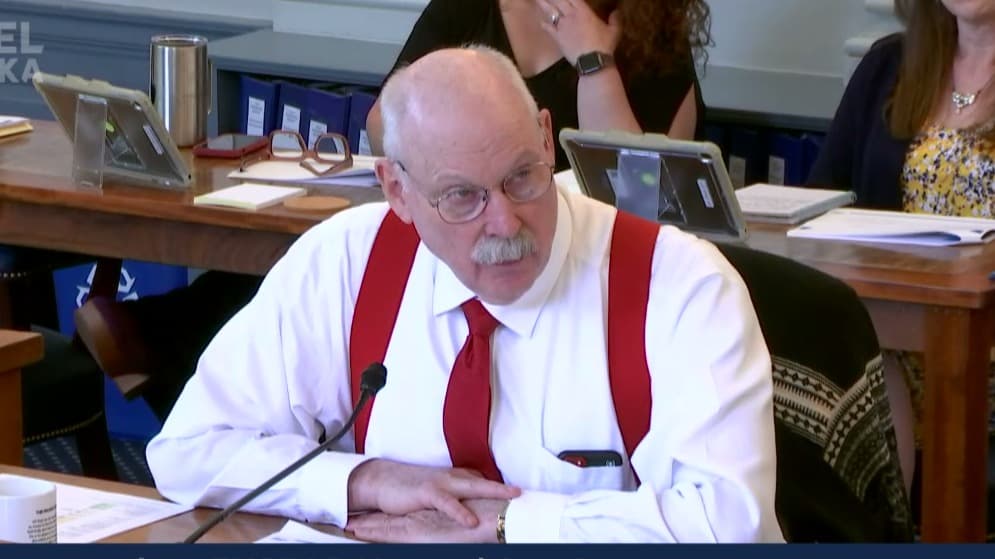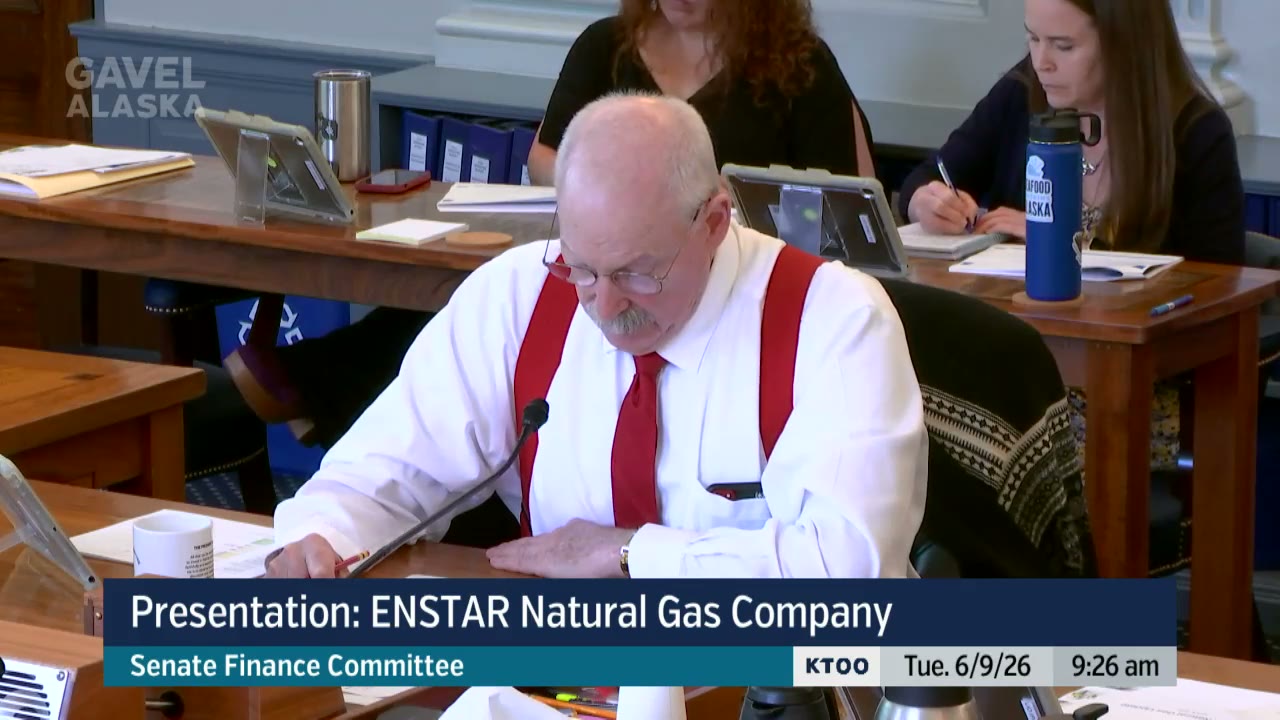
Bert Stedman
30:59 - 32:08
"my understanding is Glenfarm is not going to pursue government-backed debt financing. They're going to go into the private market. And if the spread is 100 basis points or 1%, because we've been told at the federal level it's going to be federal bond rate, if it's 20 years, it's plus 3/8, 20-year bond rate, or 30-year bond rate plus 3/8."
“my understanding is Glenfarm is not going to pursue government-backed debt financing. They're going to go into the private market. And if the spread is 100 basis points or 1%, because we've been told at the federal level it's going to be federal bond rate, if it's 20 years, it's plus 3/8, 20-year bond rate, or 30-year bond rate plus 3/8.”
- Speaker
- Bert Stedman
- Timestamp
- 30:59 – 32:08
- Community
- Alaska News
- Location
- Alaska
- Captured at
- June 9, 2026
From the transcript
The other point that I'm concerned about dealing with the rail belt, and I'm not a rail belt senator obviously, but we're supposed to look at the whole state, and that's the overall cost of the project. And there's a, opportunity for the gas line to be debt financed, the debt portion backed by the federal government with government-guaranteed loans on, I assume, default because they don't normally guarantee late debt service payments but against default, and lowering the rate of interest to the project. And my understanding is Glenfarm is not going to pursue government-backed debt financing. They're going to go into the private market. And if the spread is 100 basis points or 1%, because we've been told at the federal level it's going to be federal bond rate, if it's 20 years, it's plus 3/8, 20-year bond rate, or 30-year bond rate plus 3/8.
Related Coverage
ENSTAR Caps the Price. Stedman Eyes the Debt.
Enstar is negotiating a 30-year gas supply agreement with Glenfarne that would cap prices at $16 per thousand cubic feet with annual inflation adjustments. The contract protects ratepayers from project cost overruns and allows a switch from LNG imports to pipeline gas if the export project is built.
 by Walter AlaskaNews3mo ago3 min readAI