Speaker A
21:49 - 22:41
"At present, we take the best financial expert to send to the RCA for AWU and the bond counsel that we think will serve us the best, whether they're local or in Seattle. And we could change that, but I do think that is a, a big bite to take."
“At present, we take the best financial expert to send to the RCA for AWU and the bond counsel that we think will serve us the best, whether they're local or in Seattle. And we could change that, but I do think that is a, a big bite to take.”
- Speaker
- Speaker A
- Timestamp
- 21:49 – 22:41
- Community
- Alaska News
- Location
- Anchorage
- Captured at
- May 27, 2026
From the transcript
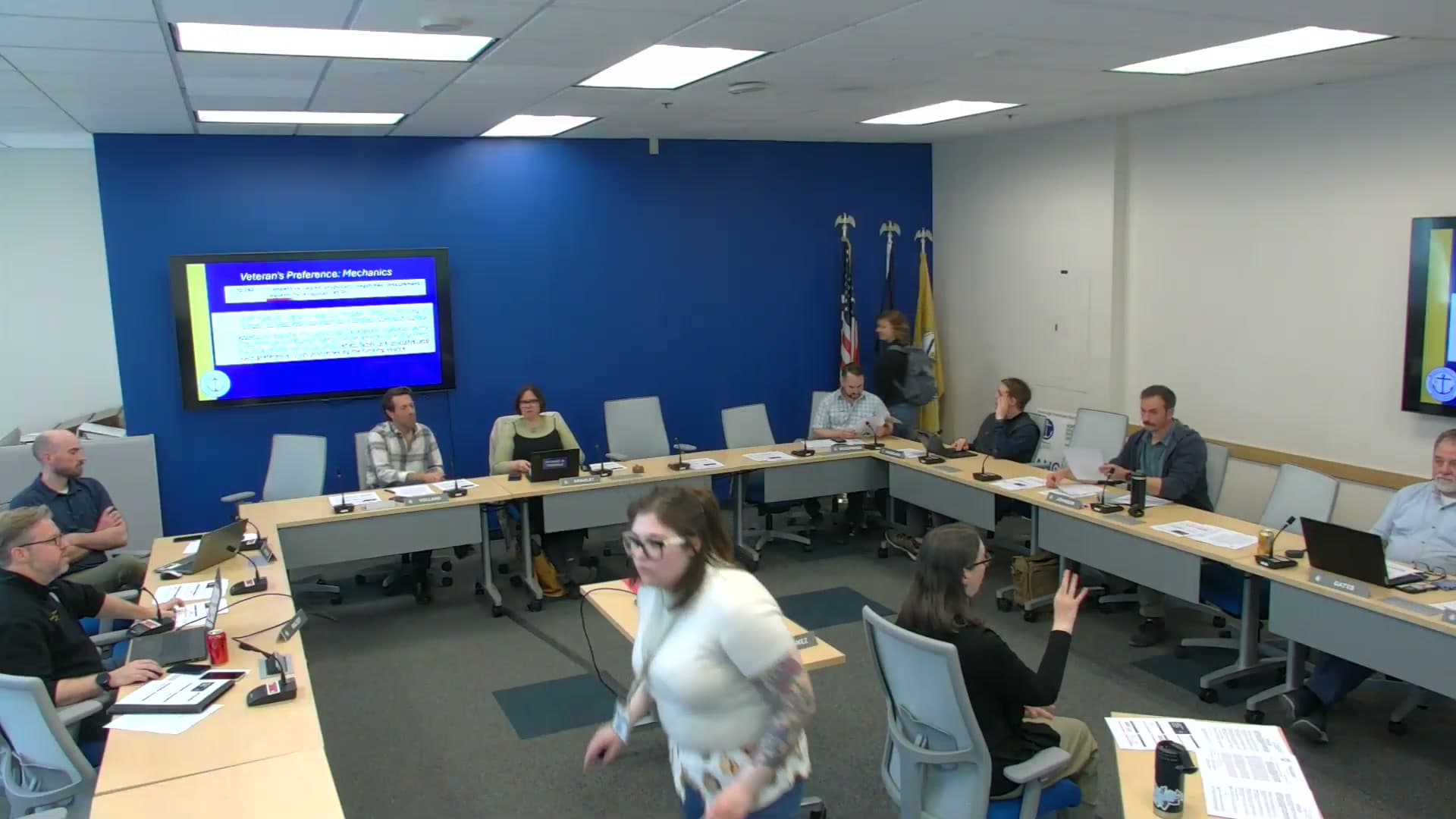
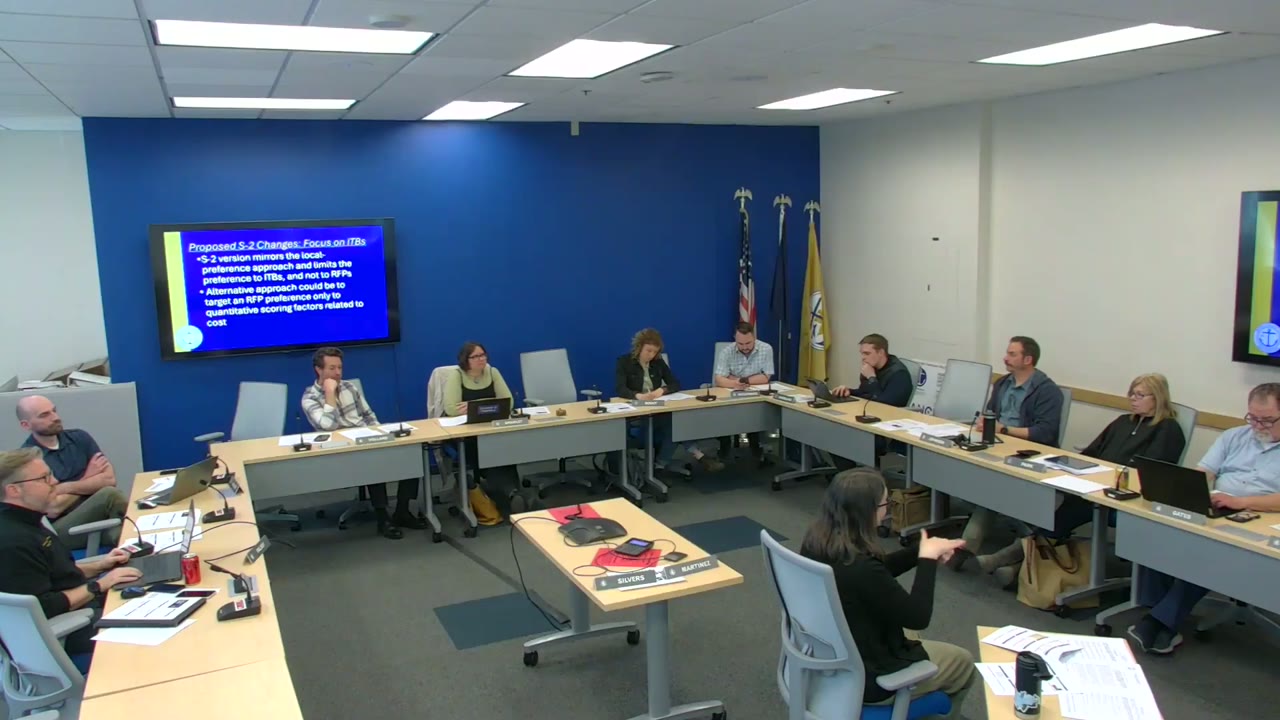
At present, we take the best financial expert to send to the RCA for AWU and the bond counsel that we think will serve us the best, whether they're local or in Seattle. And we could change that, but I do think that is a, a big bite to take. And finally, this is one that we hadn't really candidly thought about when we met previously, but we ought to— we ought to see if this is working and what it costs us, right? So the S2 version also says we ought to have a way of answering how often are we using a veteran's preference and what does it cost to us so we can assess if it's working. And so the idea is that we would have— well, actually, I'm not sure we admit— and this made it into our final draft, but we would be amenable to sending the Assembly every time we have an AM whether a preference changed the outcome and what it actually cost us, and we'll do the calculation right instead of wrong like I did on the slide.
Related Coverage
Anchorage veteran preference could exclude recent Afghanistan, Iraq vets
Anchorage Assembly debated Wednesday whether a proposed five-year eligibility window for veteran procurement preferences would exclude combat veterans who served in Afghanistan and Iraq.
 by Walter AlaskaNews3mo ago1 min readAI