Keith Sonderling
46:08 - 46:54
"the current rule, you know, has essentially created a secondary market where workers are not getting overtime, they're not getting protections, those who are, you know, receiving the services aren't going through companies to get the proper background checks. So this rule will allow third parties to come back in to properly manage the payroll, to properly manage their ability to do background checks and have more workers in continuity of care."
“the current rule, you know, has essentially created a secondary market where workers are not getting overtime, they're not getting protections, those who are, you know, receiving the services aren't going through companies to get the proper background checks. So this rule will allow third parties to come back in to properly manage the payroll, to properly manage their ability to do background checks and have more workers in continuity of care.”
- Speaker
- Keith Sonderling
- Timestamp
- 46:08 – 46:54
- Community
- Alaska News
- Captured at
- July 16, 2026
From the transcript
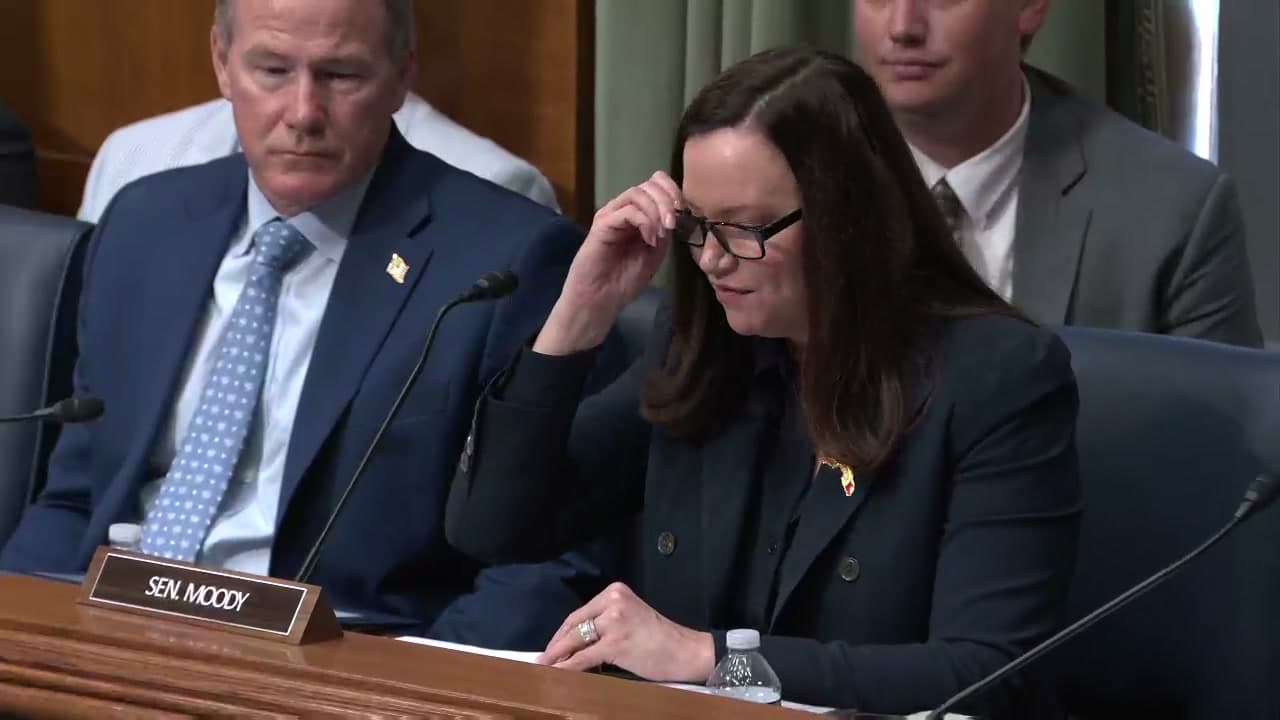
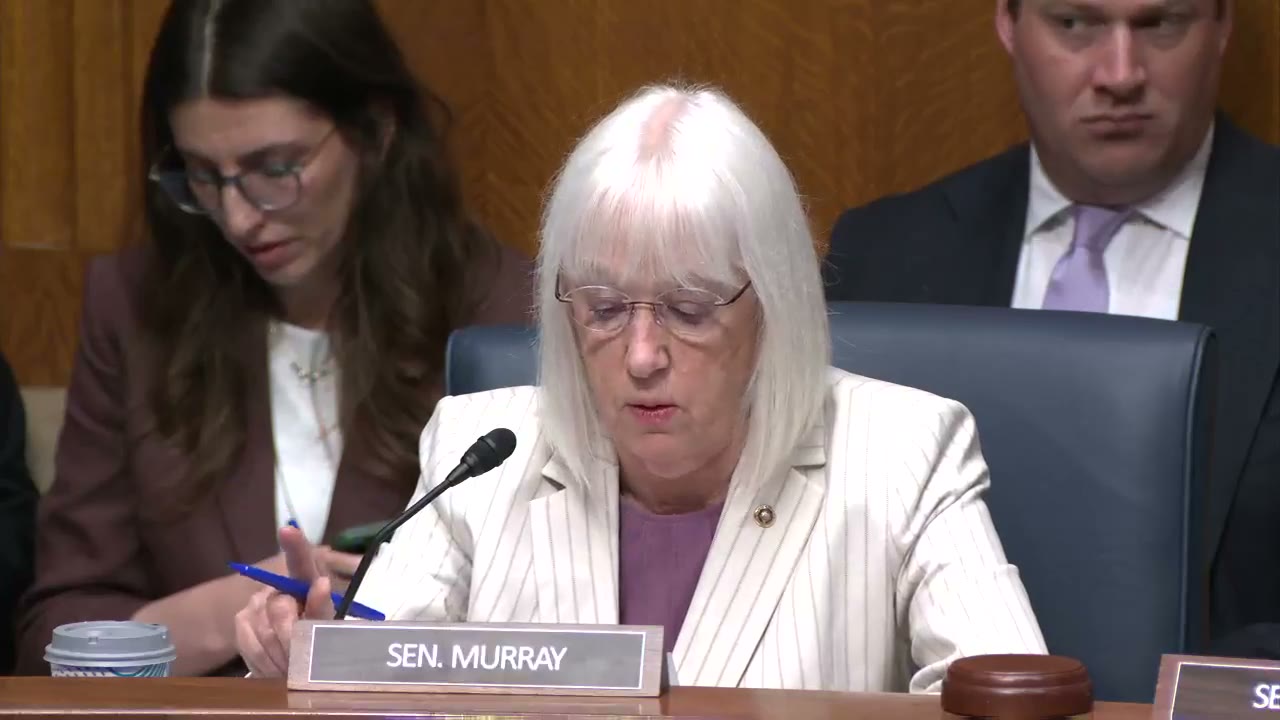
On July 2nd of last year, DOL proposed a new rule about wages and overtime pay for home care workers. If this draft rule is finalized, how many workers will be stripped of minimum wage and overtime protections? This is a very complicated issue that we've worked on for a long time, and the, the current rule, you know, has essentially created a secondary market where workers are not getting overtime, they're not getting protections, those who are, you know, receiving the services aren't going through companies to get the proper background checks. So this rule will allow third parties to come back in to properly manage the payroll, to properly manage their ability to do background checks and have more workers in continuity of care. What the prior rule did was it chopped up— the people weren't getting overtime.
Related Coverage
Democrats challenge Sonderling on overtime rollbacks, education transfers at HELP hearing
The Senate HELP Committee grilled Keith Sonderling on Thursday over his three months as acting Labor secretary, with Democrats citing overtime rollbacks affecting 4 million workers, a pending rule that could strip minimum wage protections from 3.7 million home care workers, and the transfer of K-12 education programs to a department they say lacks the expertise to run them.
 by Walter AlaskaNews3mo ago2 min read