AI image
USDA expands disaster pay for Alaska fish farms, livestock, and beekeepers
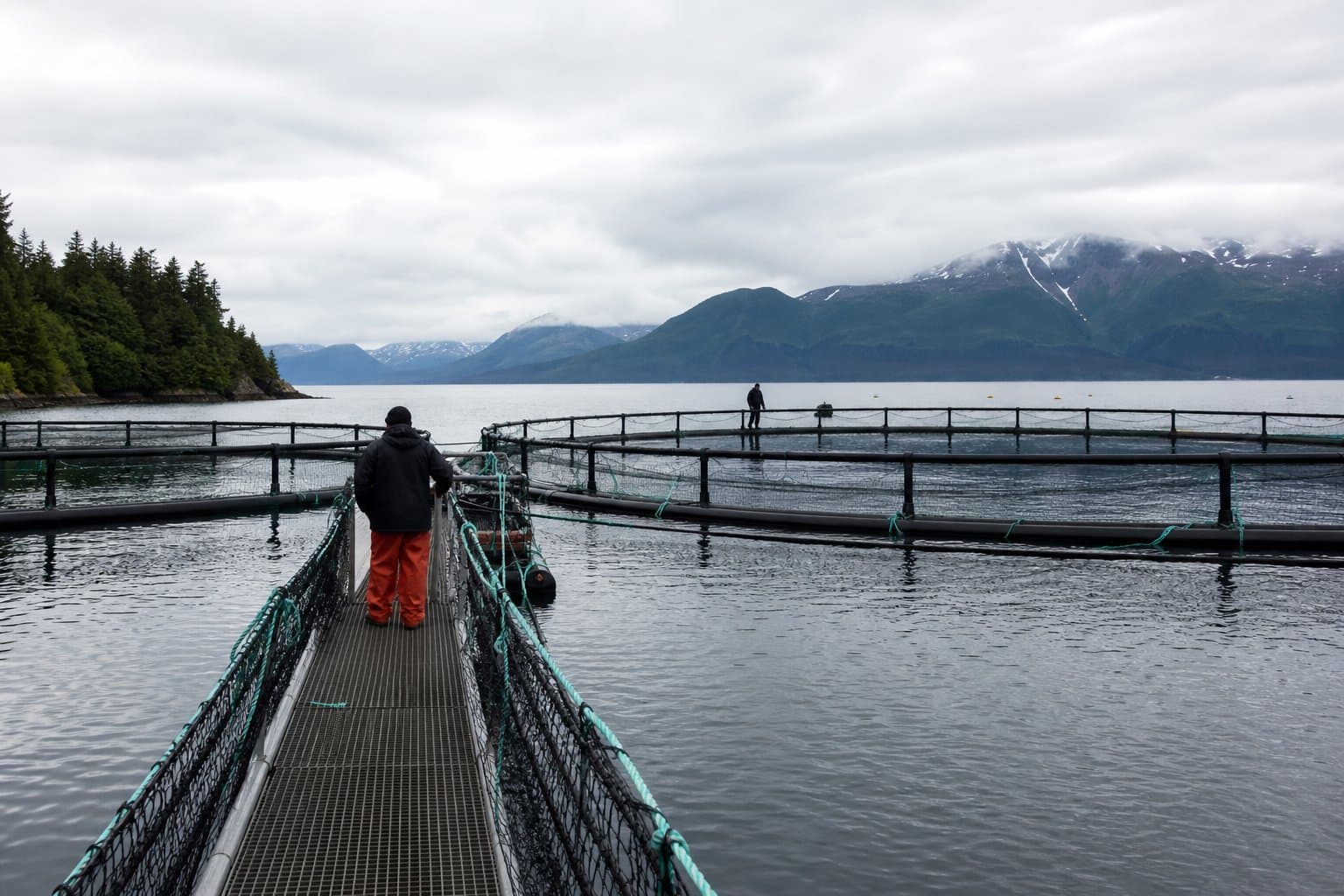
Alaska aquaculture operations, livestock producers, and beekeepers are among those gaining new or expanded federal disaster coverage Wednesday under a nationwide USDA policy update. Farm-raised fish operations are now eligible for payments covering bird predation losses, and livestock owners will receive full market value for animals killed by federally protected predators.
The U.S. Department of Agriculture put the changes into effect Wednesday, implementing provisions of the Working Families Tax Cuts Act signed July 4, 2025, and following other Farm Service Agency expansions announced last month. Several provisions are retroactive to January 1, 2026.
Fish farms that lost stock to birds now qualify for Emergency Assistance for Livestock, Honeybees, and Farm-Raised Fish Program payments at $600 per acre, a coverage category that did not exist before Wednesday.
Livestock owners who lost animals to species listed as endangered or protected in 2024 or 2025 will see Livestock Indemnity Program indemnity rates rise from 75% to 100% of market value. The changes also cover unborn livestock losses dating to January 1, 2024. USDA said most payments for 2024 and 2025 losses will be issued automatically from FSA records with no application required. Producers may also document regional price premiums above the national average market price for eligible livestock losses.
The drought trigger for one-month forage assistance under the Livestock Forage Disaster Program drops from eight consecutive weeks to four consecutive weeks of D2 drought conditions on the U.S. Drought Monitor. Producers can receive a two-month payment if D2 conditions persist for seven of eight consecutive weeks during the normal grazing period.
For beekeepers, FSA will now use a 15% normal mortality rate for eligible honeybee colony losses.
The Tree Assistance Program, which helps orchardists and nursery tree growers replant or rehabilitate trees, bushes, and vines lost to eligible natural disasters, also saw changes retroactive to January 1, 2026. FSA removed the 15% normal mortality rate, increased reimbursement rates for pruning and removal, and extended the implementation period to 24 months with an option to extend further.
On the commodity loan side, Marketing Assistance Loan rates increase for all eligible commodities starting in 2026. Cotton producers will see an increased storage credit cap, an updated prevailing world market price calculation for upland cotton using the three lowest-price growth quotes instead of five, and a new weekly prevailing world market price for extra-long staple cotton. Producers who repay upland cotton loans may be eligible for refunds if the Adjusted World Price declines within 30 days of repayment. The sugar program is extended through 2031 with increased loan rates for raw cane and refined beet sugar.
Secretary Brooke L. Rollins said the administration is "committed to ensuring the economic success of farmers and ranchers who rely on a strong safety net when natural disasters impact their infrastructure or when market prices affect their profitability. These producers need and deserve assistance that works for them, not against them."
Producers can confirm eligibility at their local FSA office or at fsa.usda.gov.
Based on a press release.
AI-assisted. How we use AI
Stay informed. Support what matters.
Free, permanent access to local news you can verify. Subscribe to support Maggie AlaskaNews and go ad-free.
Related Coverage
Alaska's fishermen got left out of an $11 billion farm rescue
Alaska News · 2mo ago
Federal fishery disaster relief of $99M headed to Alaska after years of waiting
Alaska News · 3mo ago
New federal money for small meat processors could help Alaska lean less on imported food
Alaska News · 3mo ago
ADF&G opens comment on three federal fishery disaster spend plans
Alaska News · 3mo ago
Eight Alaska fishery disaster requests are past the deadline federal law sets
Alaska News · 1mo ago
Comments
Sign in to leave a comment.
No comments yet. Be the first to share your thoughts.