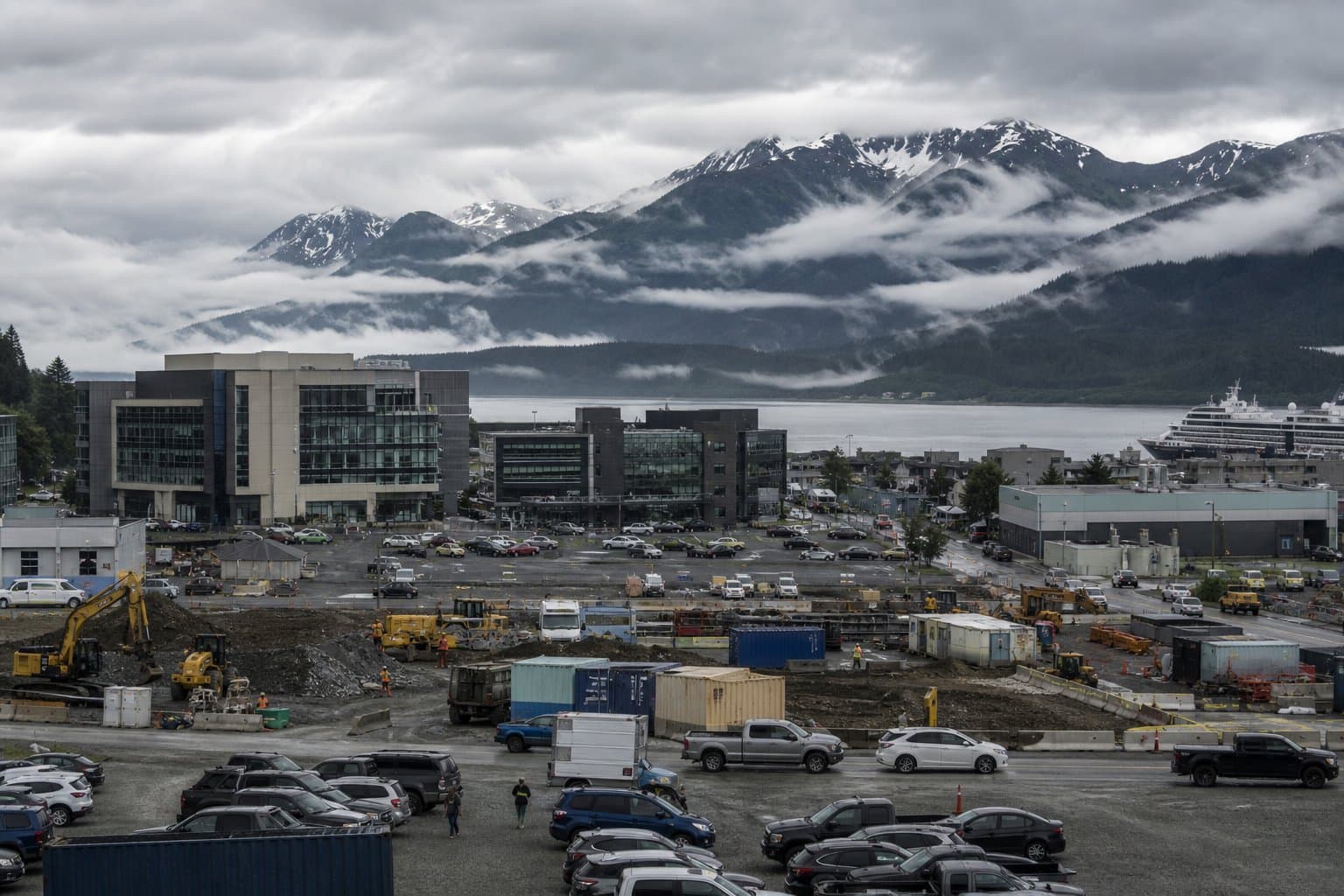
UAA economists say federal spending drove about half of Alaska's growth from 2015 to 2023
Federal spending accounted for roughly half of Alaska's economic growth between 2015 and 2023, University of Alaska Anchorage economists said at a June 23 online forum. The economists estimated that growth in federal spending equaled about half of the state's nominal gross domestic product growth over that period. Federal wages, contracts and direct payments support household income and consumer spending in communities across the state.
Brett Watson, associate professor of applied and natural resource economics at the Institute of Social and Economic Research, said federal spending in Alaska grew about $8.7 billion in nominal terms over that window, rising from just under $11 billion to just under $20 billion, while state gross domestic product grew about $16.5 billion, from $51 billion to $68 billion. Stripping out temporary pandemic spending lowers the 2023 total from just under $20 billion to about $18 billion. Federal spending equaled just under 30% of 2023 GDP. The largest single piece was direct payments, about $6.5 billion, mostly Social Security and Medicare; grants, contracts (up 150% over the period, much of it Department of Defense procurement) and federal wages made up the rest.
Watson, in the ISER presentation as recorded in coverage published June 26, said oil and gas growth over the period was "between $3 and $4.5 billion. Or less than half of the growth in federal spending over the same time period," with hard rock mining up just under a billion and fishing about a quarter billion.
Bob Loeffler, professor of public policy at UAA, framed the economy as a leaky bucket, with the water level set by how much outside money pours in against how much leaks out. Roughly a third of the inflow, he estimated, comes from the federal government, ahead of oil and gas, with fishing, mining, tourism, air cargo, Permanent Fund earnings and retiree pensions well behind.
First National Bank of Alaska, by contrast, describes oil and gas production as a cornerstone of the economy and mining and seafood as substantial private-sector contributors, a framing that treats federal money as secondary to the resource base.
Brock Wilson, research assistant professor of economics at ISER, carried the workforce picture up to April 2026. Alaska is home to roughly 15,500 federal civilian workers earning about $1.5 billion a year, and the state ranks third among all 50 states in reliance on federal workers as a share of its workforce, behind Maryland and Hawaii. Between April 2024 and April 2026, the national federal civilian workforce fell 14.8% on Wilson's matched measure, which excludes Defense, Homeland Security and Justice for consistency; Alaska fell 15.8%. Only about half a percent of Alaska's federal workforce was cut through involuntary tools such as probationary firings and reductions in force, against 4.3% in Washington, D.C. Most of Alaska's decline came through buyouts, taken on average by workers with about 10 years of experience.
AI-assisted, reviewed by editors. Spot an error?
Related Coverage
Federal money built Alaska's recent growth — now it's receding fastest here
Alaska News · 1mo ago · 91% match
Alaska's $14 billion federal paycheck keeps growing by the week
Alaska News · 1w ago · 85% match
Alaska is losing federal jobs faster than almost any state
Alaska News · 5d ago · 81% match
Federal and state cuts erase Alaska private-sector job gains in June
Alaska News · 2w ago · 81% match
Federal job cuts from 2025 continue to drag on Alaska employment
Alaska News · 2mo ago · 79% match
Comments
Sign in to leave a comment.
No comments yet. Be the first to share your thoughts.