Two Indigenous peoples, linked by a migratory bird, trade what they've learned
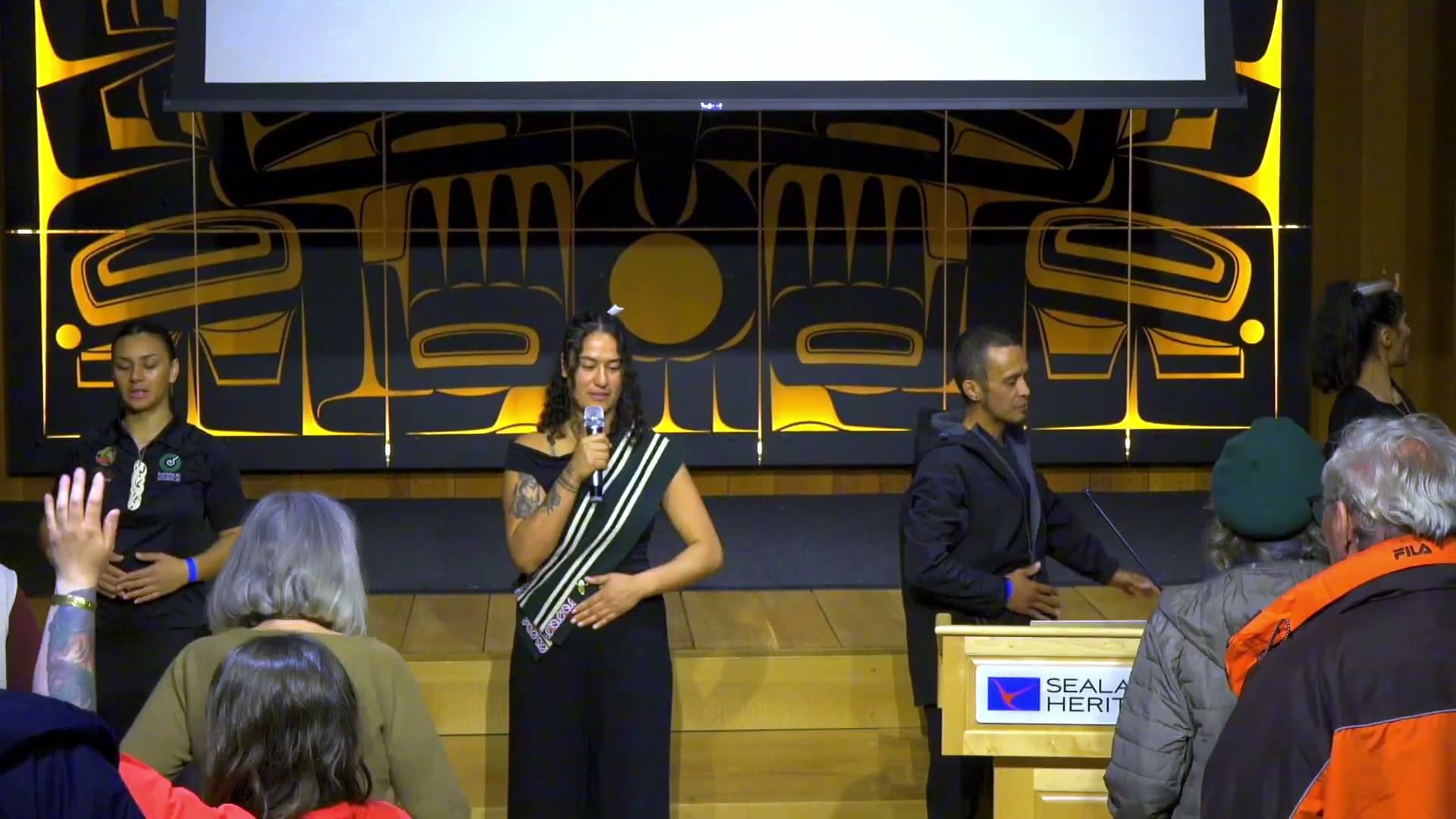
A Māori delegation visited Sealaska Heritage Institute in Juneau to share a way of thinking about health that treats spirit, mind, body, and family not as separate concerns but as four walls of one house: pull any wall down, and the whole structure falls. Called Te Whare Tapa Whā, it rests on a foundation of connection to the land.
The visitors call themselves Te Ara Kuaka, after the bar-tailed godwit — a bird that, in its long migration, lands in only two places on earth: New Zealand and Alaska. The exchange runs both ways; the group had hosted Alaska Native athletes for Arctic sports before this visit.
What gave the session its weight was the debt running beneath it. Sealaska Heritage President Rosita Kaaháni Worl, of the Tlingit Nation, told the room it was the Māori who showed Alaska Native people that a language on the edge of extinction could be revived. "It was not just methods," she said. "It was the power, the determination, and also the realization that we could revitalize our languages."
This article is based on a public meeting of Sealaska Heritage Institute — Sealaska Heritage Institute: Māori yesterday, Māori today, Māori tomorrow, Te Ara Kuaka | Sealaska Heritage ().
Made by our human newsroom with AI. How humans and AI work here · Grow with our newsroom Transcript byLucas Brown
Stay informed. Support what matters.
Free, permanent access to local news you can verify. Subscribe to support Bill AlaskaNews and go ad-free.
Related Coverage
Sealaska Heritage concludes ninth annual education conference
Alaska News · 2mo ago
A Tlingit artist crossed the border to teach Anchorage kids an ancient craft
Alaska News · 3mo ago
A Haida class spends two years recovering a 74-line migration story
Alaska News · 2mo ago
French anthropologist reframes Tlingit foodways as living relational system, not subsistence
Alaska News · 3mo ago
Haida class returns a 1901 migration story to its own language
Alaska News · 2mo ago
Comments
Sign in to leave a comment.
No comments yet. Be the first to share your thoughts.