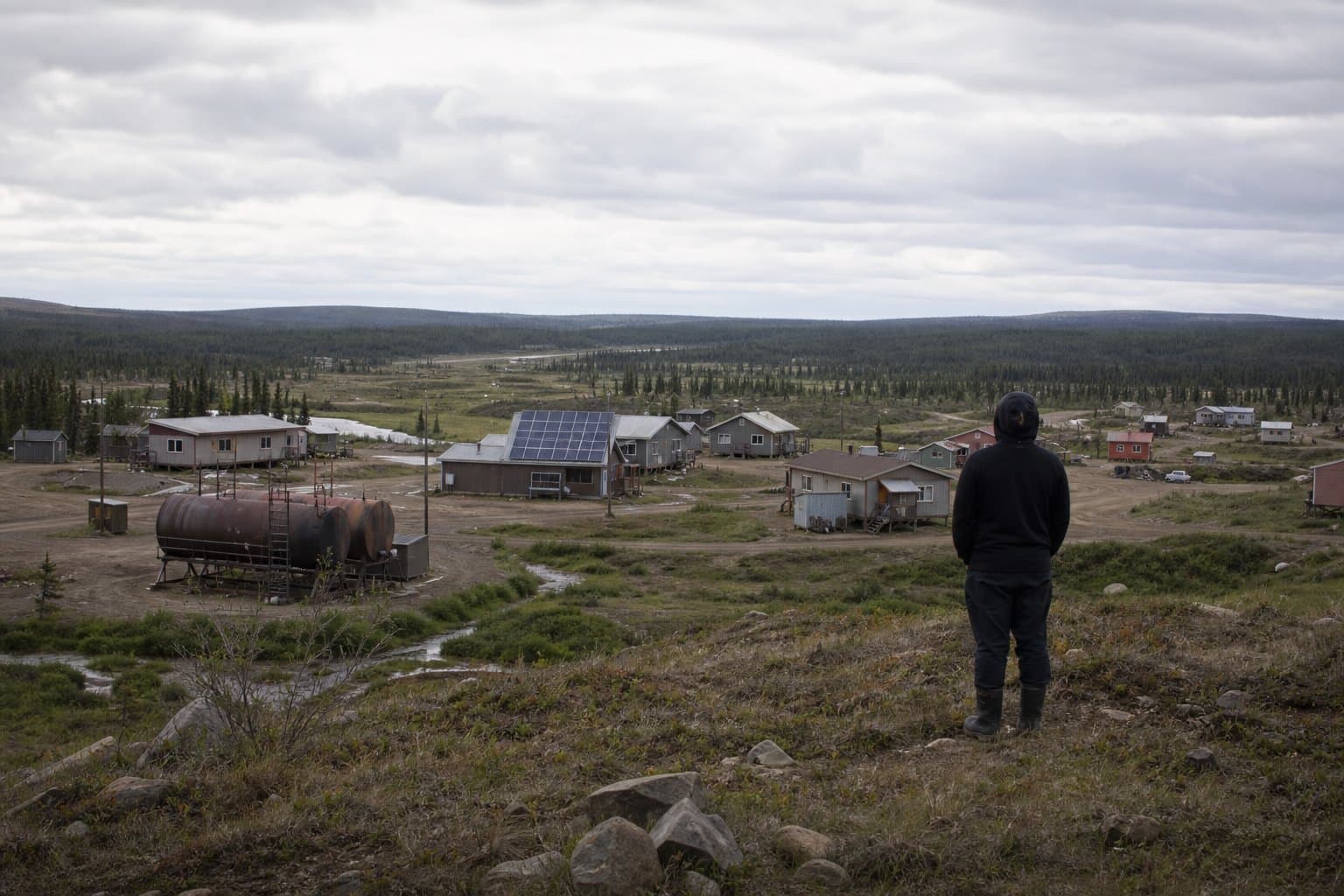
TCC asks each Interior village to name a local energy point of contact
Tanana Chiefs Conference is asking each of the 42 tribal communities it represents across Interior Alaska to designate a local Energy Champion, a community-based point of contact for energy planning, project development, and access to funding opportunities.
The announcement, posted Tuesday, creates a defined role at the village level in a region where fuel costs rank among the highest in the state and most communities sit off the road system with no connection to a regional grid.
TCC will pay travel costs for selected Energy Champions to attend a two-day skill-building workshop in Fairbanks later this year. Additional workshops and collaboration opportunities are planned to follow. TCC says the gatherings will focus on practical skill-building, knowledge sharing, and strengthening connections between communities, technical experts, and partner organizations.
TCC describes the role broadly: sharing information, identifying community needs, and staying connected on energy projects, training, and technical assistance. Energy Champions will support their community's goals, whether focused on lowering energy costs, improving reliability, or exploring new energy solutions. The program does not prescribe a specific technology or project type.
A Model With Prior History
The program is not TCC's first attempt to build this kind of network. A 2016 U.S. Department of Energy Office of Indian Energy project supported TCC in creating what it called the Interior Athabascan Energy Capacity Building Network, which established village-based energy champions and held quarterly teleconferences and annual in-person meetings. The new initiative draws on that model.
TCC also holds a $62.45 million Solar for All award from the U.S. Environmental Protection Agency. A separate award of the same amount was made to the Alaska Energy Authority. Both are aimed at developing residential solar programs for low-income and disadvantaged communities. The Energy Champions program is positioned to connect villages to that pipeline of resources.
A Standing Caution
Some tribal energy practitioners have raised a standing caution about programs of this kind. Kawerak, Inc., a regional tribal consortium in the Bering Straits region, has noted that capacity-building networks can risk adding administrative burden to small tribal governments or creating dependency on external frameworks that do not align with local governance and cultural values. TCC's announcement frames the role as locally oriented, stating that Energy Champions will "support their community's goals" and serve as a local point of contact rather than a TCC representative.
How to Participate
AI-assisted, reviewed by editors. Spot an error?
Comments
Sign in to leave a comment.
No comments yet. Be the first to share your thoughts.