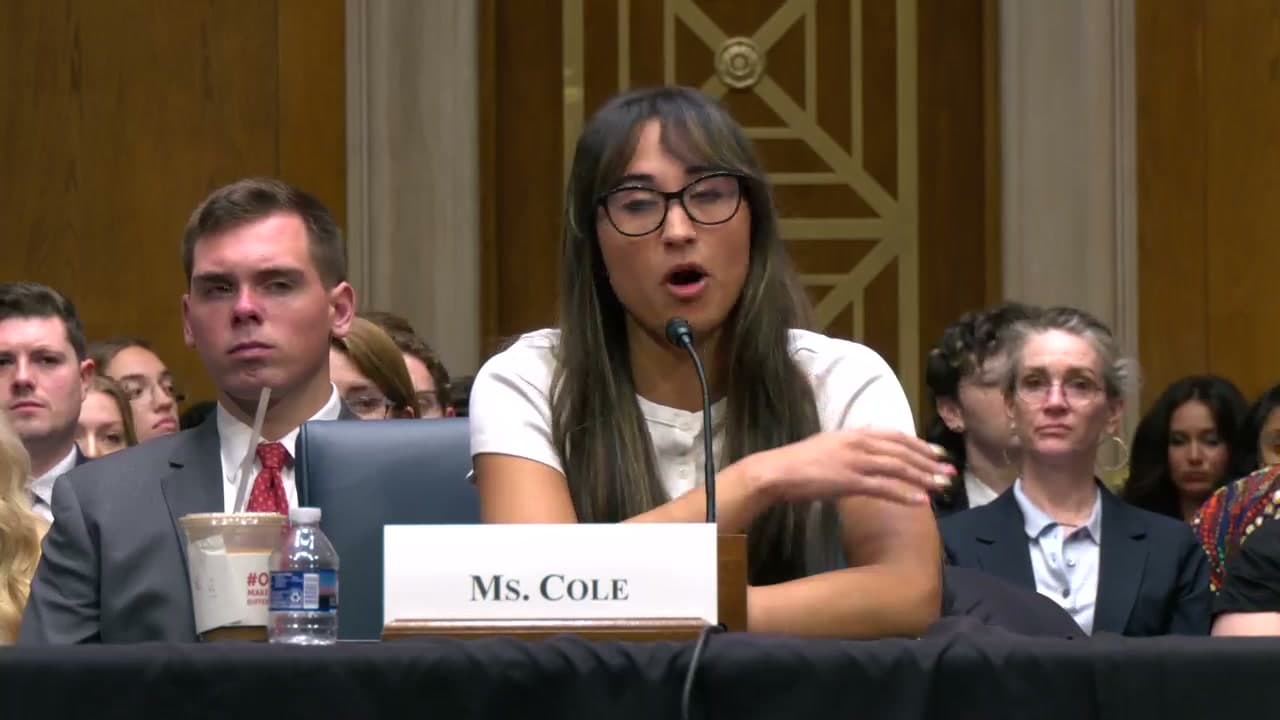
Frame from "Hearings to examine gender transition procedures on minors." · Photo source
Senate panel hears testimony on bill to ban youth gender care
The U.S. Senate Health, Education, Labor, and Pensions Committee convened May 21 to examine federal legislation that would ban gender transition procedures for minors. Whatever direction federal policy takes would interact directly with the parallel work already underway at the Alaska State Medical Board and shape what providers across Alaska can offer to families.
In August 2025, the Alaska State Medical Board voted unanimously to advance a draft regulation that would label gender-affirming care for minors "grossly negligent" and could subject Alaska medical providers offering such care to board sanctions and license risk. As of early 2026, no statewide ban existed in Alaska statute, and the care remained legal for minors and accessible through providers operating within national clinical standards while the draft regulation moved through public comment and rule-making review. The board's regulation, if finalized, would not apply to nurses or nurse practitioners, who are licensed by a separate state board.
Committee Chair Bill Cassidy, a Louisiana physician, framed the federal hearing as part of a broader investigation into federally funded entities providing gender-affirming interventions to minors. The hearing was titled "Protecting Our Children: Exposing the Dangers of Irreversible Gender Transition Procedures on Minors."
Chloe Cole, now 21, testified that she was placed on puberty blockers at age 12 and underwent a double mastectomy at 15. Cole said her parents were told she would die by suicide if they did not consent to transition. "This is not medicine," Cole said. "Medicine heals what is sick. But me being female was not a disease."
Dr. Kurt Maseli, a psychiatrist and chief medical officer at Do No Harm, testified that nearly two dozen systematic reviews find no credible evidence supporting gender transition interventions for minors. Maseli said the World Professional Association for Transgender Health suppressed evidence reviews that did not support its approach, and that medical organizations had been "captured" by ideology rather than science.
Shannon Minter, legal director of the National Center for LGBTQ Rights, countered that fewer than one-tenth of 1 percent of adolescents receive any medications for gender dysphoria, and that a substantial body of research has found those treatments safe and effective. Minter argued that parents, not politicians, should make medical decisions for their children in consultation with doctors, and raised concerns about federal subpoenas demanding families' private medical records without parental notification.
The committee did not vote on legislation. Federal policy changes could come through legislation, agency rulemaking, or Medicaid coverage decisions.
This article is based on a public meeting of Senate Health, Education, Labor, and Pensions (Murkowski) — Senate Health, Education, Labor, and Pensions (Murkowski): Hearings to examine gender transition procedures on minors. ().
Made by our human newsroom with AI. How humans and AI work here · Grow with our newsroom Transcript byLucas Brown
Stay informed. Support what matters.
Free, permanent access to local news you can verify. Subscribe to support Walter AlaskaNews and go ad-free.
Related Coverage
Federal funds for gender-transition care for Alaska minors on Medicaid end in October
Alaska News · 2mo ago
Alaska Senate Panel Advances Social Media Ban for Minors Under 16
Alaska News · 5mo ago
Alaska Senate Panel Advances Youth Suicide Prevention Bill
Alaska News · 5mo ago
Alaska Senate panel hears bill requiring 7-day review for foster youth in psychiatric hospitals
Alaska News · 5mo ago
Senate Committee Hears Testimony on Nurse Licensure Compact Bill
Alaska News · 6mo ago
Comments
Sign in to leave a comment.
No comments yet. Be the first to share your thoughts.