Mat-Su Says No to Swapping Property Tax for Sales Tax
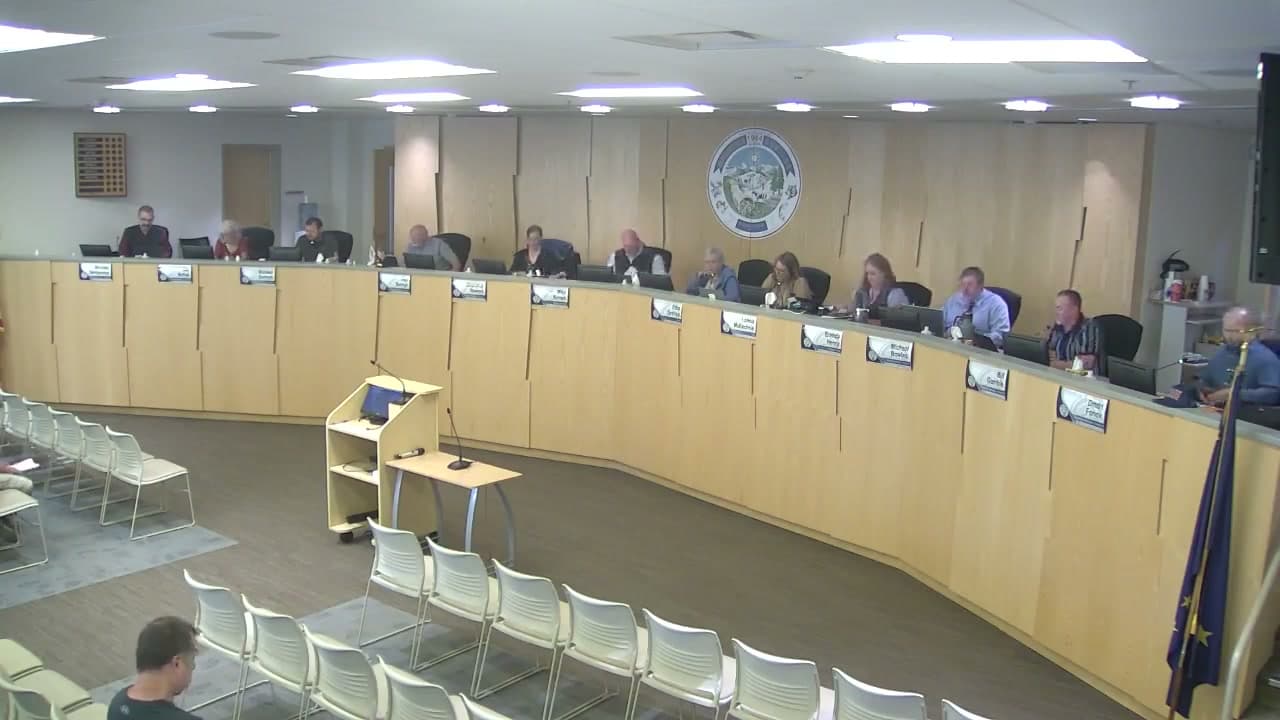
The Mat-Su Borough Assembly on Tuesday rejected a proposal to ask voters this November whether to scrap the borough's property tax and replace it with a 6.5% sales tax — leaving the way the borough pays for itself unchanged, at least for now.
Here's the basic trade the ordinance offered. The borough currently raises just under $130 million a year from its areawide property tax. Finance Director Cheyenne Heindel said a 6.5% sales tax would bring in about the same — roughly $128.3 million. So this wasn't about raising or cutting how much the borough collects; it was about who pays and how. Property taxes fall on people who own homes, land, and buildings. A sales tax falls on anyone who buys things.
That's exactly where the fight was. Assembly Member Michael Bowles, who has pushed the swap for months, argued it would lift the load off property owners. Opponents countered that it would land hardest on people with the least cushion. "The people who will pay more... are renters, the uninsured, and small businesses," Assembly Member Maxwell Sumner said — the logic being that a sales tax takes the same bite regardless of income, while renters who own no property would start paying a borough tax they currently avoid.
Two other problems sank it. First, a legal one: Bowles had built the ordinance so a future assembly couldn't bring back the property tax without also killing the sales tax — but Borough Attorney Nick Spiropoulos warned that no Alaska court has ever said whether one assembly can legally tie the hands of the next one that way. In plain terms, that handcuff might not hold up, and finding out could mean a lawsuit. Second, an arithmetic one: when members floated exempting seniors and 100% disabled veterans, staff estimated the lost revenue would force the rate up to 8% or 9% to break even — a number the assembly found untenable.
The City of Wasilla also pushed back hard. Stacked on Wasilla's existing 2.5% city sales tax, the borough's 6.5% would have meant a 9% rate inside city limits — and the city warned shoppers would simply buy online or drive elsewhere, denting local sales.
A smaller alternative met a quieter end. Ordinance 26-072 would have put a modest 1.5% sales tax outside city limits on the ballot, paired with a $75,000 break for owner-occupied homes. After amendments cut the rate to 1% and stripped the exemptions, sponsor Assembly Member Nowers objected that it no longer resembled what she'd proposed, and it was shelved indefinitely.
This article is based on a public meeting of Matanuska-Susitna Borough — Mat-Su Borough: Regular Assembly Meeting June 16 ().
Drafted with AI. Edited by Cale Green. No full editor review is on record. Who is accountable. Transcript byLucas Brown
Watch key moments from the source meeting. Click to expand.
Stay informed. Support what matters.
Free, permanent access to local news you can verify. Subscribe to support Walter AlaskaNews and go ad-free.
Related Coverage
Mat-Su Assembly blocks sales tax proposal before public hearing
Alaska News · 4mo ago
A $700 property tax break, paid for by a 1% sales tax
Alaska News · 1mo ago
Mat-Su weighs a flood emergency and a tax overhaul
Alaska News · 2mo ago
Mat-Su voters will decide whether the borough can tax valley-wide for big road projects
Alaska News · 1mo ago
A proposed cap would limit how high Mat-Su can set its property tax rate
Alaska News · 1mo ago
Comments
Sign in to leave a comment.
No comments yet. Be the first to share your thoughts.