House Finance Committee advances PFD restoration for wrongfully convicted
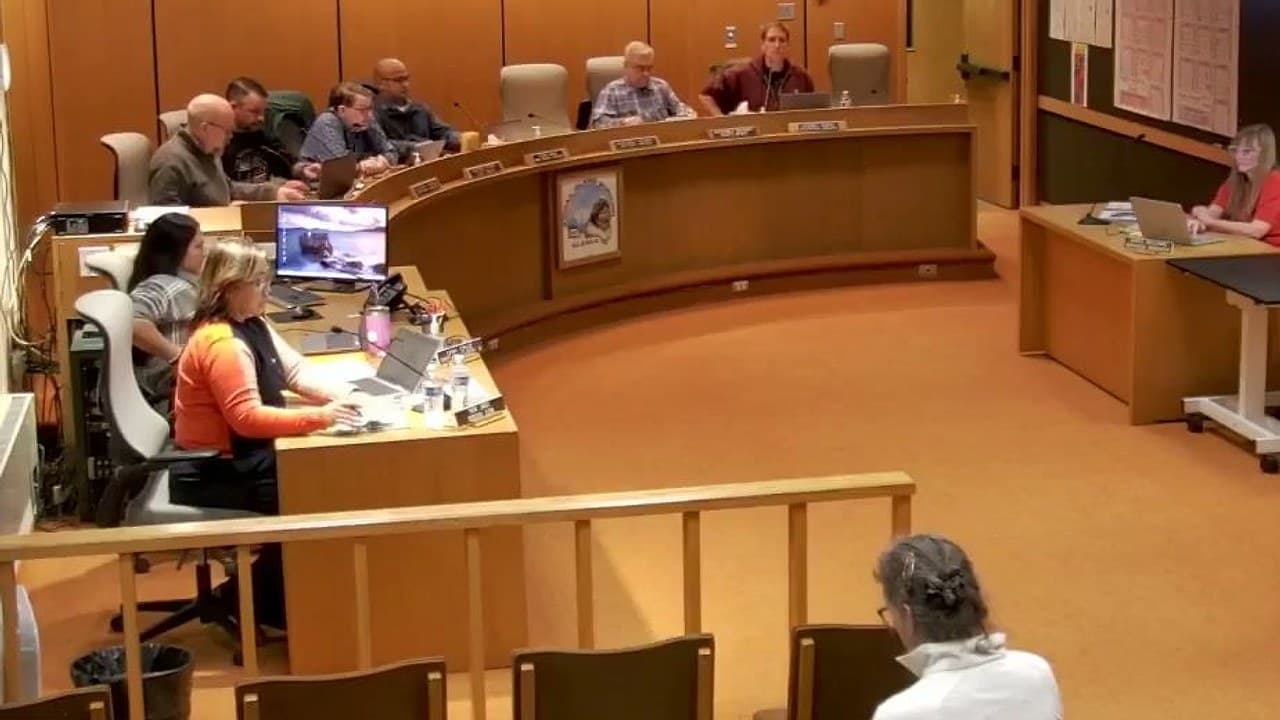
The Alaska House Finance Committee voted Tuesday to advance legislation that would restore Permanent Fund Dividends to individuals who were wrongfully convicted and incarcerated.
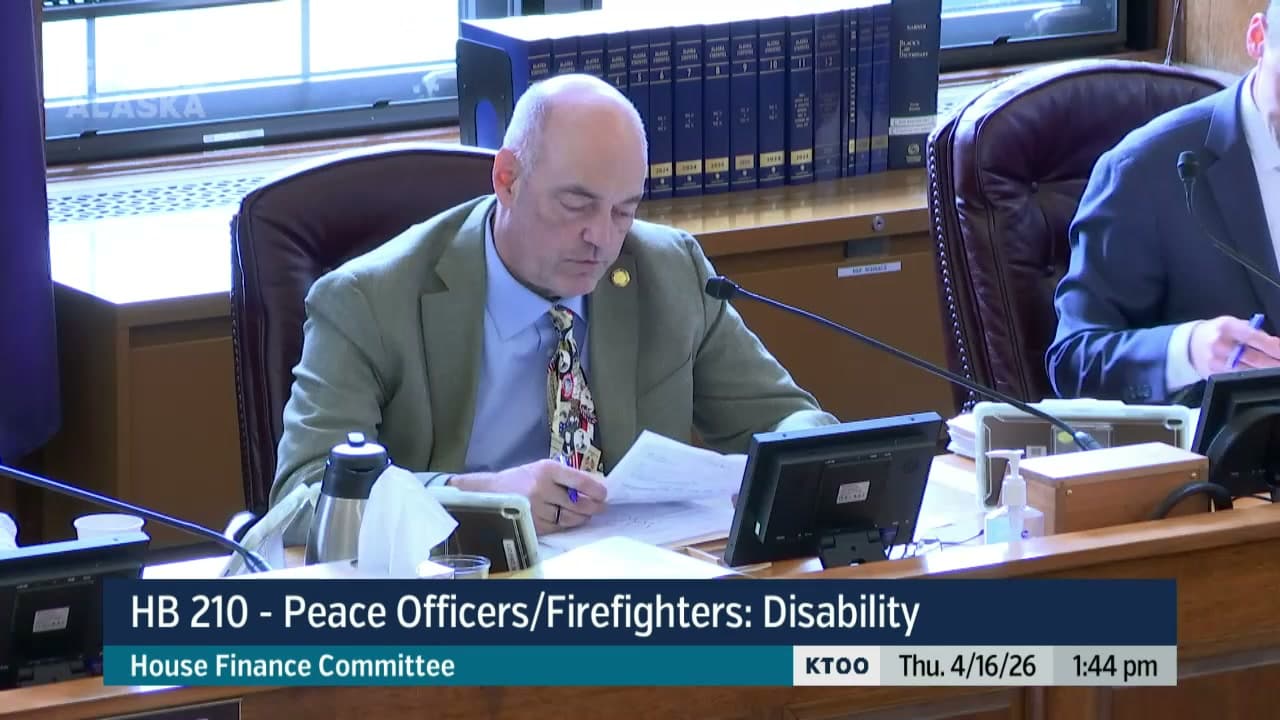
Senate Bill 167 would reinstate PFDs for Alaskans whose convictions have been vacated, reversed, or dismissed. The committee adopted an amendment doubling the application deadline from one year to two years after exoneration, then advanced the bill with individual recommendations.
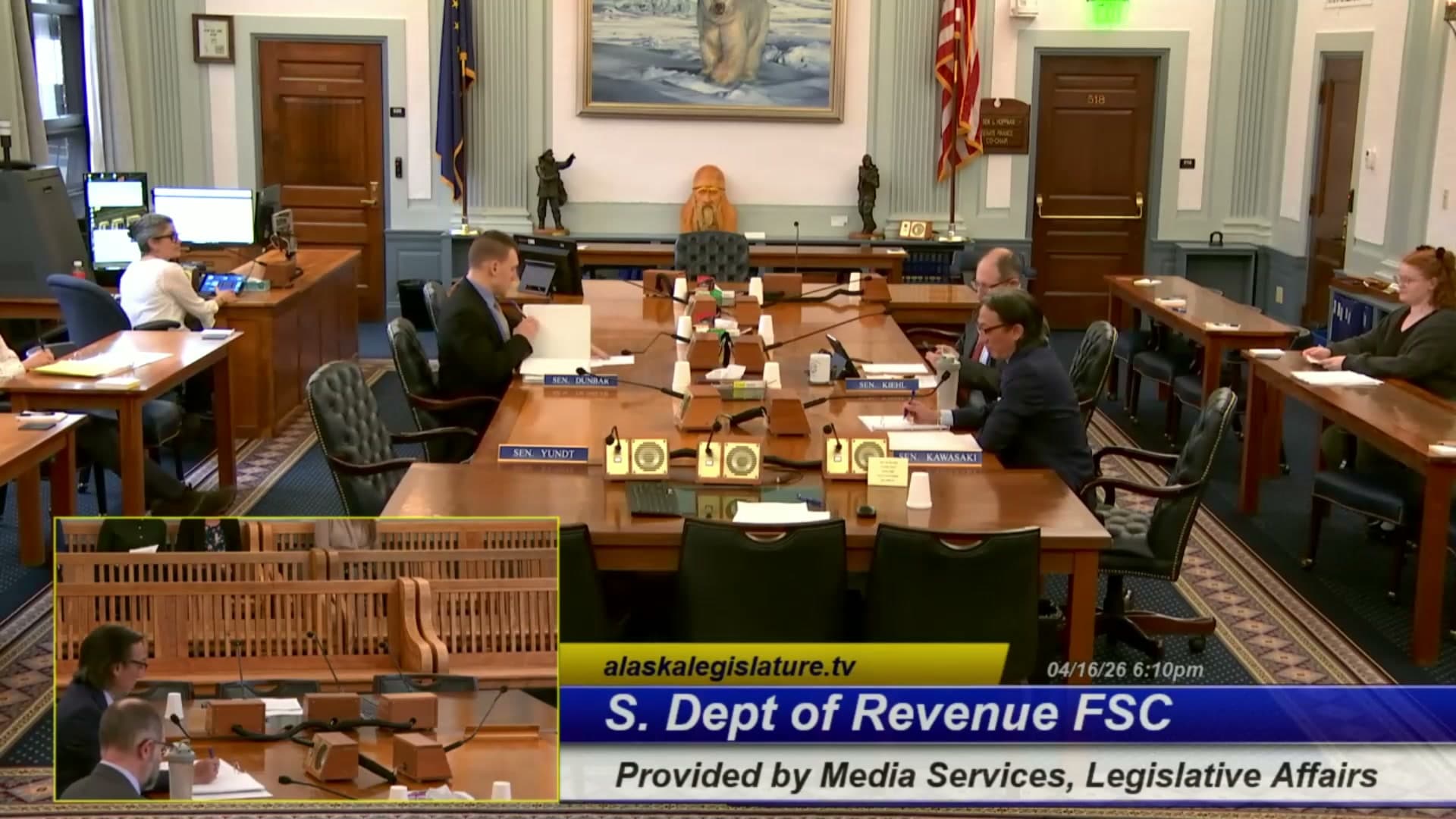
State Senator Scott Kawasaki, the bill sponsor, told the committee the measure addresses a gap in wrongful conviction compensation. About two dozen states have wrongful conviction compensation programs. One of the things a person is deprived of if they are wrongfully convicted and then incarcerated is a permanent fund dividend, he said.
State Representative Jamie Allard introduced the amendment to extend the filing deadline. She told the committee she chose two years to balance giving applicants adequate time while ensuring funds remain available for dividend payments.
State Representative Alyse Galvin asked why the committee chose two years instead of three, noting that the After Innocence program had suggested a three-year window. Galvin said she supported keeping the narrow scope given how few people the bill will impact. It likely will not have a big effect on the overall PFD, she said.
Kawasaki acknowledged the bill would make more people eligible for the dividend, which would lower the amount each Alaskan receives. But he said the bill has a narrow scope.
Discussion during committee and earlier Senate consideration touched on how the bill relates to forfeited dividends and restorative justice funding. State Senator Mia Costello raised questions about whether the bill affects the Restorative Justice Account, noting that statute directs forfeited dividends to the Violent Crimes Compensation Board and the Domestic Violence and Sexual Assault Program. Kawasaki clarified that the bill is independent of those funding streams and simply makes wrongfully convicted individuals eligible to receive dividends they would have been entitled to had they not been incarcerated.
The committee also considered but did not adopt a second amendment that would have expanded allowable absences for transportation industry workers to 210 days, a provision unrelated to the bill's narrow purpose of restoring dividends to the wrongfully convicted. Representative Jeremy Bynum withdrew that amendment after discussion.
House Finance Committee Co-Chair Neal Foster said the bill moved out of committee as amended with individual recommendations and an attached fiscal note. The committee authorized legislative legal staff to make technical and conforming changes as necessary.
The bill now moves to the full House for consideration.
What did you make of this story? (no account needed)
Made by our human newsroom with AI. How humans and AI work here · Grow with our newsroom · Transcript byLucas Brown
Keep Alaska News free for everyone.
No paywall, ever. Members pay so everyone can read the meetings and records Alaska News covers.
Get Alaska News in your inbox
Create your free account and get the day’s top stories around 6 each morning, in a few minutes’ read.
Top stories, around 6 each morning.
Stories on what you follow, on Sundays.
This article is based on a public meeting of Alaska State Legislature — HFIN-260519-0800 ().
Earlier in this story
House panel hears bill to restore PFDs for wrongfully convicted Alaskans
The House Finance Committee heard testimony Sunday on legislation that would allow Alaskans whose convictions are overturned to reclaim Permanent Fund dividends they lost while incarcerated.
Senate Bill 167 would permit exonerated residents to apply for back dividends within one year after the law takes effect. The bill is retroactive. Previously exonerated individuals would also have one year from enactment to apply. Committee discussion initially suggested the bill was not retroactive, but staff later clarified that page 3, line 8 of the bill makes it retroactive.
The bill could affect approximately five known cases, including the Fairbanks Four. The total is roughly $107,852 in back dividends.
State Senator Scott Kawasaki sponsored the measure. He said the state has a duty to make amends when the justice system fails.
Kawasaki said the state has a fundamental responsibility to ensure that every prosecution is fair and every conviction is just. If the system fails, such as when an Alaskan has been wrongfully convicted and then later has had their judgment vacated or reversed, the state must go beyond merely unlocking the cell. The state has a duty to make amends.
While incarcerated, Alaskans forfeit their Permanent Fund dividends to the state. For those rightfully convicted, that consequence is part of their sentence. But for those whose convictions are overturned, Kawasaki said, those funds represent a loss of personal property during that period of time.
The bill distinguishes between pardoned individuals, who remain ineligible, and exonerated individuals, who would qualify for back dividends. A person who is pardoned is different than a person who is exonerated, Kawasaki said.
Representative Sara Hannan noted that Alaska is one of only 12 states without compensation statutes for wrongful convictions. The Tanana Chiefs Conference letter says that Alaska is one of only 12 states that do not have compensation statutes for people that have been wrongly convicted, Hannan said.
Committee members discussed the bill's relationship to existing forfeited dividend funds. Under current statute, those funds support the Violent Crimes Compensation Board and the Domestic Violence and Sexual Assault Program. Testimony confirmed the bill would not take money from the Restorative Justice account. Restored dividends for exonerated individuals would come from a separate pool.
Representative Frank Tomaszewski asked how the bill would have affected the Fairbanks Four, who spent nearly 16 to 17 years in prison before being exonerated in 2015. Kawasaki said if the bill had been in effect at the time, they would have been able to apply for the dividends they would have received during their incarceration.
Representative Elexie Moore said she appreciates the bill. She said this is a trend across the country and a lot of people are put away under false pretenses.
The bill has passed both houses of the Legislature in previous sessions but never at the same time. Kawasaki said other states offer different forms of compensation for wrongful convictions. Examples include free tuition at state universities or stipends based on years of incarceration.
Some states offer free tuition at their state college or university or a certain stipend for the number of years in which a person may have been wrongfully incarcerated and then found to be not guilty, Kawasaki said.
The Department of Revenue submitted an indeterminate fiscal note because it does not know how many formerly incarcerated people the bill would affect. The Permanent Fund Division said it already has a process in place for handling applications from people who applied while incarcerated but were denied. The division expects the small number of cases to be manageable.
The committee set an amendment deadline for noon Monday.
House Judiciary Advances Bill Restoring PFDs for Wrongfully Convicted
The House Judiciary Committee voted Wednesday to advance Senate Bill 167, which restores eligibility for Permanent Fund Dividends to Alaskans whose convictions were vacated or reversed on appeal. The bill now moves to the full House with individual recommendations from committee members.
The legislation addresses cases like the Fairbanks Four, a group of Alaska Native men who spent nearly two decades in prison before their murder convictions were vacated in 2015. The case drew widespread public attention and sparked broader conversations about wrongful convictions in Alaska's criminal justice system. Under current law, individuals incarcerated for felonies cannot receive PFDs. Amounts equal to what they would have received are transferred to the state's restorative justice account. Senate Bill 167 would allow those whose convictions were later vacated or reversed to apply for the dividends they missed.
"Our community in Fairbanks has been affected notably with the Fairbanks Four, with folks that have been wrongfully convicted, and this bill aims to seek to return what is their personal property," said Matty Hull, staff to sponsor Senator Scott Kawasaki, during the hearing.
The committee adopted a substitute version of the bill that makes it identical to House Bill 189, a companion measure previously considered by the committee. Committee aide Dylan Hitchcock Lopez explained that the substitute removes Sections 1, 4, 5, and 6 from the previous Senate bill version. The remaining sections were renumbered to conform to the deletions. The substitute keeps the core provision that restores PFD eligibility for individuals whose convictions were vacated or reversed.
Hitchcock Lopez said the substitute restores PFD eligibility for individuals whose convictions were vacated or reversed. It establishes application procedures for claiming past PFDs. It adds that a prior transfer to the restorative justice account does not disqualify an otherwise eligible individual from receiving those past PFDs.
The restorative justice account, created under Alaska Statute 43.23.048, receives funds equal to PFDs that would have been paid to incarcerated individuals. The legislature appropriates money from that account to crime victims' compensation, the Office of Victims' Rights, nonprofit organizations serving crime victims and domestic violence programs, mental health and substance abuse treatment for offenders, and the Department of Corrections.
Representative Costello raised questions about whether the bill's language properly aligned with existing statutes governing the restorative justice account. She noted that when she looked at the statute, it actually listed out that the dividend for those who had to have it relinquished goes into specifically the Violent Crimes Compensation Board and the Domestic Violence and Sexual Assault Program. She wanted to ensure that dividends transferred on behalf of incarcerated individuals continued to fund the specific programs designated by law.
Hitchcock Lopez clarified that the bill does not change how the restorative justice account operates or where its funds are allocated. "This bill doesn't have any implication on those accounts and how they're structured and where the money goes," he said.
The statute directs the legislature to appropriate funds from the restorative justice account in specific percentages: 10 to 13 percent to the Crime Victims Compensation Fund, 2 to 6 percent to the Office of Victims' Rights for payments to crime victims, 1 to 3 percent to nonprofit organizations providing services for crime victims and domestic violence and sexual assault programs, 1 to 3 percent to nonprofit organizations for mental health services and substance abuse treatment for offenders, and 79 to 88 percent to the Department of Corrections for incarceration or probation costs.
The bill specifies that individuals whose convictions were vacated or reversed can apply to claim past dividends they were denied. The prior transfer of funds to the restorative justice account does not disqualify them from receiving those payments.
Committee Chair Gray reported the measure out of committee. "Hearing no objections, Senate Bill 167, Work Order 34-LS0491/G, as in golf, is reported out of the House Judiciary Committee with individual recommendations and attached fiscal note," he said. He then authorized Legislative Legal Services to make any necessary technical and conforming changes to the bill before it advances to the House floor.
The measure had previously been heard in the Senate and passed that chamber before moving to the House. Wednesday's meeting was the bill's first hearing in the House Judiciary Committee.
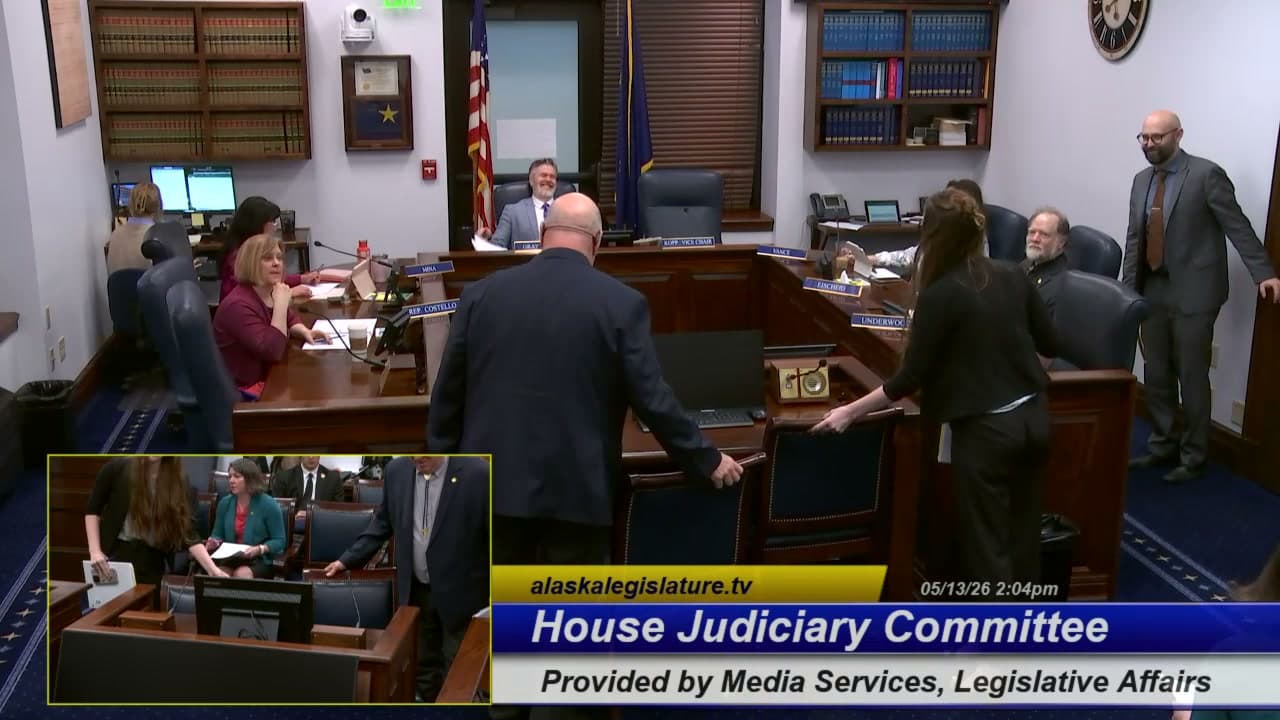
The House Judiciary Committee met Wednesday afternoon in the Gruenberg Room at the state Capitol in Juneau. The committee initially lacked a quorum when it convened at 1 p.m. Members present at the start included Representatives Gray, Costello and Vance. Representatives Mena and Aishide joined at 1:01 p.m., establishing a quorum. Representative Underwood joined the meeting at 1:11 p.m.








Comments
Sign in to leave a comment.
No comments yet. Be the first to share your thoughts.