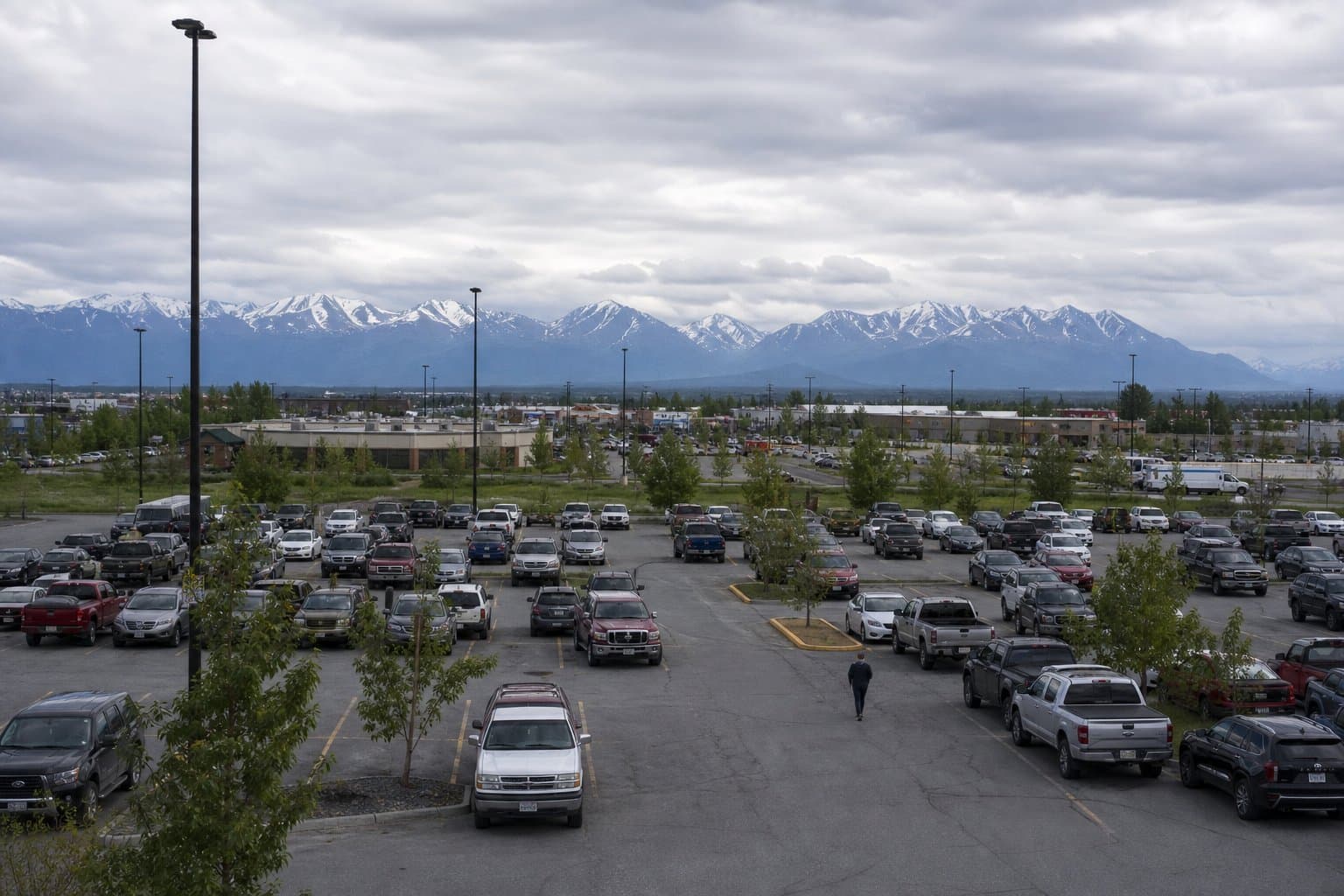
Anchorage PZC set to vote on B-3 rules requiring permits for self-storage and large parking lots
The Anchorage Planning and Zoning Commission is scheduled to vote on an ordinance that would shift self-storage facilities, storage yards, and large parking lots from permitted to conditional uses in B-3 commercial zones, requiring public review before construction. The case is one of two companion ordinances before the commission, alongside a measure that would expand shop-house and mixed-use residential development in B-3.
Under the substitute ordinance, those three use types would require a conditional use permit before construction can begin. Planning Director Mélisa Babb's department recommends approval, tying the proposal to the Anchorage 2020 Comprehensive Plan. The policy rationale, as stated in the staff report, is to encourage more active, people-centered, and employment-oriented uses in B-3 rather than passive vehicle storage or self-storage. B-3 and B-3SL zones have produced 63 percent of all senior housing built in the Anchorage Bowl since 2014.
Multiple reviewing agencies, including the Alaska Department of Transportation and Public Facilities, Watershed Management Services, the Right-of-Way Section, and Anchorage Water and Wastewater Utility, reported no objection or no comments on the case. Cook Inlet Housing Authority wrote in support of the ordinance.
Response From Reviewers and Industry
Engineering firm DOWL submitted written comments warning that requiring a conditional use permit for parking lots with 50 or more spaces could disrupt multi-parcel developments. The firm cited the Windmill lot serving Chilkoot Charlies, the Spenard Roadhouse's separate parking parcel, and structures at the Southcentral Foundation Tudor Elmore campus and Alaska Native Medical Center as examples.
"Requiring CUPs for parking lots over 50 spaces would remove a valuable tool when you are dealing with multiple properties that can be used to help support redevelopment and new development," DOWL said in written comments. "In addition, when parking garages are needed to support a development on the same lot, requiring a CUP introduces additional time, cost and risk to a development."
Any recommendation from the commission goes to the full Anchorage Assembly for a final vote.
AI-assisted, reviewed by editors. Spot an error?
Comments
Sign in to leave a comment.
No comments yet. Be the first to share your thoughts.