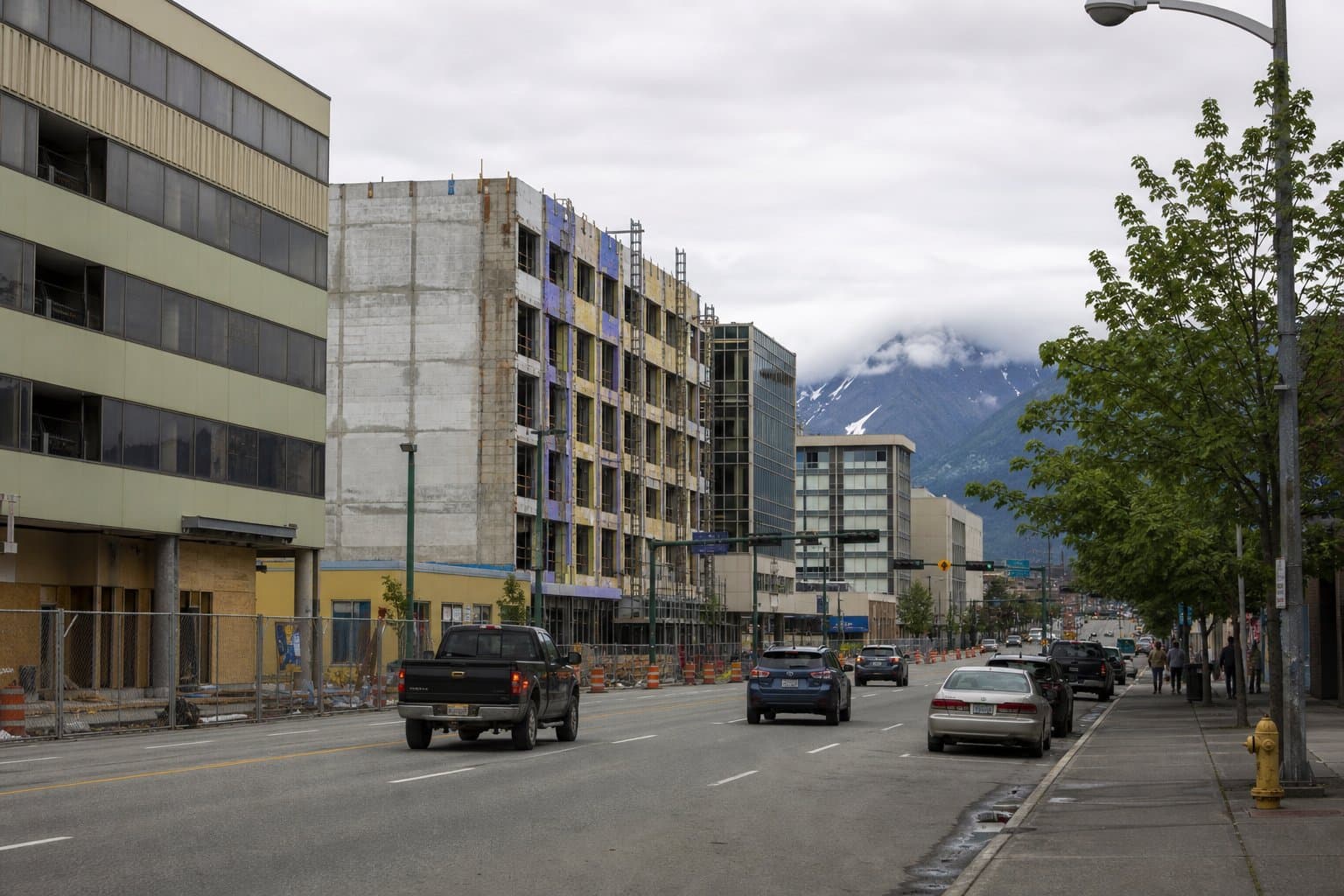
Anchorage eyes tax exemption for mixed-use housing development
Mayor Suzanne LaFrance has proposed a 10-year property tax exemption for owner-occupied residential units built inside mixed-use commercial buildings, with the Anchorage Assembly scheduled to take up the ordinance on June 23.
AO 2026-93 would create Anchorage Municipal Code Chapter 12.100. To qualify, a project must add at least four new owner-occupied residential units to a mixed-use building — through new construction or rehabilitation — and each unit must be priced at or below $496,746, the municipality's 2026 average assessed single-family home value. The exemption applies only to the residential share of the building, calculated by square footage. Commercial space in the same structure remains fully taxable.
A Gap in Existing Code
According to the administration's memorandum, the proposal would create a separate tax-incentive chapter for mixed-use projects. Anchorage Municipal Code Chapter 12.60 authorizes property tax exemptions for new multifamily construction but does not allow owner-occupied condominiums above commercial space. AO 2026-93 would explicitly permit that model under a new chapter. The administration notes that many commercial buildings in Anchorage were built in the 1970s and 1980s and are in need of rehabilitation, including office and retail structures with high vacancy rates, and that incentivizing redevelopment of these structures could add to the municipality's housing stock.
The municipality's fiscal analysis projects the ordinance will be revenue-neutral. Because the exemption targets new construction or qualifying rehabilitation not previously on the tax rolls, officials expect little measurable effect on current revenues or mill rates.
Assembly Member Erin Baldwin Day said at a June 17 worksession on a related missing middle housing ordinance that mixed-use financing is a particular challenge locally. "It's really difficult to create a funding stack that actually makes mixed-use pencil out, especially in Anchorage," she said, adding that she saw the proposals as complementary.
The ordinance includes several eligibility and enforcement provisions. Short-term rental properties — those with initial rental terms of less than 30 days — are explicitly ineligible. All construction or rehabilitation work must comply with state and federal wage and labor standards and worker safety standards. Property owners must file annual compliance reports with the municipal assessor, and an exemption can be terminated if an owner fails to file for three consecutive years or if a court or administrative agency finds the property has fallen out of code conformance.
The LaFrance administration has framed AO 2026-93 as one piece of a larger 10,000 Homes in Ten Years plan. Applications must be submitted to the municipal assessor before a Certificate of Occupancy is issued, with a program deadline of .
Sources
Based on: View Transcript
AI-assisted, reviewed by editors. Spot an error?
Comments
Sign in to leave a comment.
No comments yet. Be the first to share your thoughts.