Alaska Supreme Court throws out Willow easement map, sends 14-year fight back to Palmer
The Alaska Supreme Court on Friday vacated, or wiped out, the judgment mapping the Jigliotti Family Trust's access route around a Willow home, sending a 14-year property fight back to Palmer. **Neither side has a final description** of where the trail runs or where the prescription begins, the point where years of blocked, unchallenged use extinguished the right to cross.
The dispute traces to a 1966 license between Henry Jones and Joseph Reid over land in the Matanuska-Susitna Borough. Donald and Deborah Bloom bought the Reid parcel in 1994 and in mid- to late 1996 began building a home directly on the access trail, adding a shop, cleared ground, and water, gray water and sewer lines beneath it. The trust's 2012 quiet title action, a suit to settle who holds which rights in land, ended with the superior court upholding the license but finding the easement partially extinguished by prescription where it met the Bloom house. The Supreme Court affirmed in 2021 and sent the case back for a final judgment.
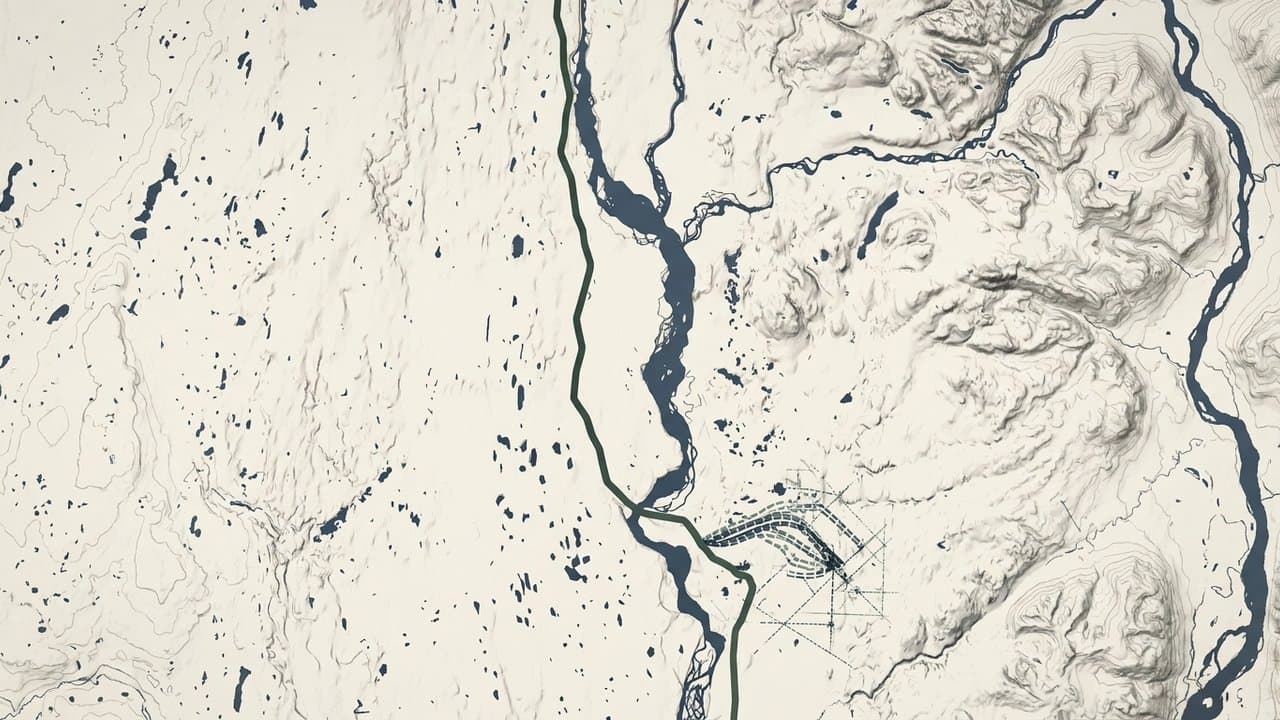
That judgment, entered by Superior Court Judge John C. Cagle, adopted the trust's proposed route. Its easement description and map showed no prescription.
"We vacate the final judgment because it is inconsistent with the superior court's previous findings that the historical access easement was partially extinguished," Justice Aimee A. Oravec wrote for the court.
The trust argued the judgment complied because the route stayed more than 25 feet from the Bloom house. The court disagreed. That figure, it said, marks the prescription's boundary, not how close the trail may come to the Blooms' curtilage, the yard and buildings immediately around their home. A section-line easement remains available to the trust, which never sought permits to build a road there.
The Blooms, representing themselves, objected that the route was a "new un-litigated route not identified in trial." The plat labels "Bloom residence" but draws no boundary for the house and yard. The trust was represented by Anchorage attorney Brian Duffy.
The court affirmed the rest of the lower court's rulings: the 60-foot trail width, the refusal to revisit the 1966 license under the legal doctrine binding courts to their own prior rulings in the same case, and the denial of attorney's fees to the trust, which prevailed on some claims but not all. The decision is Opinion No. 7826, in consolidated appeals S-18965 and S-19085. Both sides' positions come from the written opinion, the only record of them.
On remand, the Palmer court must fix the trail's location and the extent of the prescription. **It remains unclear** whether the Blooms' home and curtilage sit squarely on the trail, extinguishing the easement there, or only narrow it.
AI-assisted, reviewed by editors. Spot an error?
Stay informed. Support what matters.
Free, permanent access to local news you can verify. Subscribe to support Maggie AlaskaNews and go ad-free.
Related Coverage
Palmer subdivision easement vacation draws access concerns
Alaska News · 2mo ago · 79% match
Alaska Supreme Court rules on retaining-wall boundary dispute
Alaska News · 2mo ago · 78% match
Landowner gets variance to split land off Wasilla-Fishhook Road
Alaska News · 1w ago · 76% match
Anchorage board vacates a Glen Alps public easement the city paid $130K to acquire
Alaska News · 1w ago · 76% match
Judge declines to block 1.4 million-acre Alaska land transfer
Alaska News · 2w ago · 76% match
Comments
Sign in to leave a comment.
No comments yet. Be the first to share your thoughts.