AFN and ANRV launch rural veterinary program for 80 tribal communities July 1
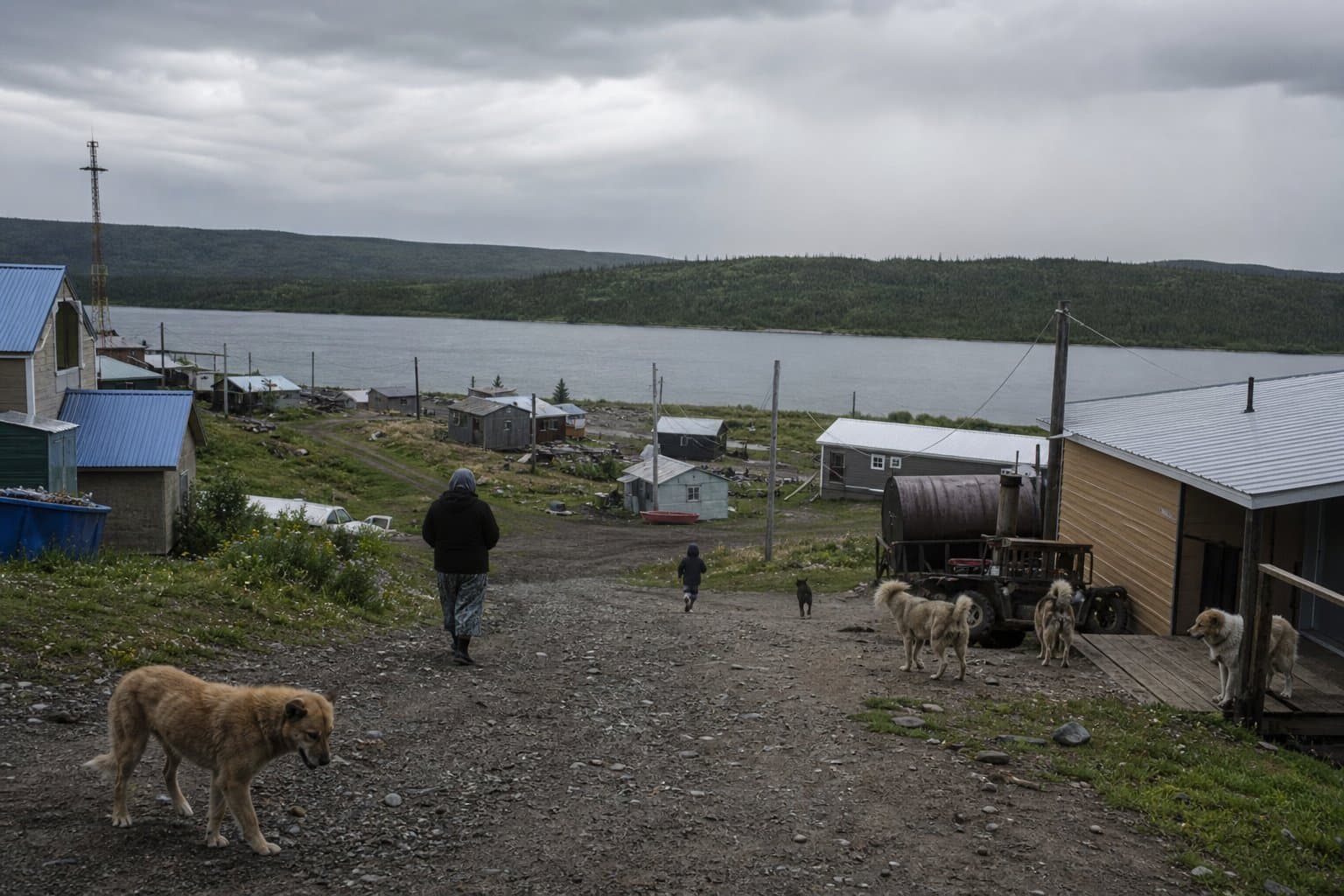
Veterinary care is coming to approximately 80 rural Alaska tribal communities on July 1, 2026, through a two-year program that AFN formally identified as an unmet public health need seven years ago.
The program will provide preventive care, vaccinations, spay and neuter services, and zoonotic disease surveillance. A barrier-to-care study embedded in the program will collect data intended to shape future public health policy, federal funding priorities, and rural veterinary infrastructure.
The gap the program addresses is not abstract. Brian Berube, testifying before the U.S. House Natural Resources Subcommittee on Indian and Insular Affairs on June 9, 2026, said Alaska Native children are hospitalized for dog bites at approximately twice the rate of the general U.S. population and experience dog bites at three times the rate of non-Native Alaskans. "Besides sporadic services from nonprofit veterinarians, there has never been access to veterinary care in the rural parts of our state," Berube said at that hearing.
"Preventing zoonotic diseases is far more effective and far less costly than treating them," said Dr. Arleigh Reynolds, Medical Director for ANRV. "This program is a strong example of how we can address root causes, such as dog overpopulation, by working in partnership with Tribal communities to support their priorities and improve health outcomes for owners, pets, and entire communities."
AFN President Benjamin Mallott said the program reflects what community-driven solutions can accomplish. "This longstanding partnership and new project demonstrate what can be achieved through community-driven solutions that support healthy communities, healthy animals, safe and sustainable subsistence resources, and a stronger future," Mallott said.
Angie Fitch, Executive Director and Co-Founder of ANRV, said the work rests on a recognized connection between animal and human health. "Consistent veterinary care improves the quality of life for both pets and residents," Fitch said. "This issue is important to the communities, and our work recognizes the critical connection between animal health, human health, and community well-being."
What Comes Next
The AFN convention has unanimously passed three resolutions supporting rural veterinary access since 2011. A 2019 resolution formally declared the lack of veterinary care an unmet public health need in Alaska Native communities. AFN and ANRV said the barrier-to-care data collected over the two years will also support recently introduced federal legislation aimed at improving tribal veterinary access, though the specific bill was not identified.
What the data shows at the end of two years will determine what comes next.
AI-assisted, reviewed by editors. Spot an error?
Comments
Sign in to leave a comment.
No comments yet. Be the first to share your thoughts.