Alaska House Committee Advances Cryptocurrency Kiosk Regulations After Scam Victims Lose Millions
The Alaska House Labor and Commerce Committee advanced consumer protection legislation Wednesday requiring licensing, transaction limits, and fraud warnings on cryptocurrency kiosks after Alaskans reported $26 million in online fraud losses in 2024.
The committee reported out Senate Bill 249 without objection after adopting amendments that set a $1,000 daily transaction limit and capped fees at 10 percent. The bill is the companion to House Bill 324, which the committee heard in April.
The legislation responds to a surge in fraud targeting seniors, including an $8,000 loss suffered by bill sponsor Senator Cathy Tilton's mother through a scam that used artificial intelligence to clone the senator's voice.
Tilton told the committee her mother received what sounded like a distress call in Tilton's voice, directing her to withdraw cash and deposit it at cryptocurrency kiosks. The scammers walked her through multiple transactions over two hours before she realized the fraud. Alaska currently has no meaningful regulation of the kiosks, which Tilton called a "regulatory black hole."
"In 2024 alone, Alaskans lost $26 million to online fraud, and the seniors accounted for roughly one-third of those losses," Tilton said. "The kiosks have become the scammers' favorite tool because the transactions are instant, irreversible, and largely untraceable."
Tilton cited FBI data showing Alaska scams rose more than 43 percent year over year, with seniors' losses topping $16 million.
The committee substitute adopted Wednesday splits the difference between House and Senate versions on transaction limits. The Senate had approved a $1,500 daily limit, while the House companion bill proposed $500. The compromise $1,000 limit came at the request of AARP Alaska, which has advocated for stronger consumer protections.
The bill also sets a $10,000 monthly limit so transactions are federally reportable. It requires kiosks to use blockchain analytics to block transfers to known illicit or overseas wallets. Operators must post clear warning signs about fraud, verify customer identity, and provide receipts for all transactions.
Under the legislation, kiosk operators would need state licenses and must refund fees in cases of fraudulent transactions. The 10 percent fee cap applies to legitimate users, including unbanked Alaskans who use the kiosks to pay bills or send money. Tilton said the fee level is comparable to Western Union and other money transfer services.
Representative Zack Fields noted that testimony from earlier hearings indicated more than 90 percent of cryptocurrency kiosk transactions in Alaska are scams or fraud. He said the reporting requirements in the bill could provide data to support future action, including a possible ban on the kiosks.
The committee adopted an amendment from Fields that aligns the bill's cryptocurrency definitions with Senate Bill 86, a money transmission measure that recently passed the House floor. Tilton said the conforming language prevents conflicting definitions in state statute.
The committee rejected a conceptual amendment from Representative Mike Sadler that would have added penny-rounding provisions for cash transactions. Sadler said the currency world is changing and Alaska needs to prepare for a world without pennies, but Tilton said she had not reviewed the proposal and preferred to keep the bill focused on kiosk fraud.
The bill was reported out of committee with individual recommendations and accompanying fiscal notes.
Six cryptocurrency kiosk operators currently do business in Alaska, none of them Alaska residents, according to Tilton. The operators had sought daily transaction limits as high as $2,500, but the committee sided with consumer advocates who argued lower limits would prevent catastrophic losses.
Fields said the $1,000 limit recognizes that scammers often walk victims through multiple visits to kiosks or multiple transactions in a single visit. Family members frequently stop the scam after discovering the first or second transaction, he said, so limiting individual transactions reduces total losses.
Tilton said the bill closes dangerous loopholes that scammers exploit to steal from vulnerable Alaskans, particularly seniors who have access to cash and respond to emotional appeals.
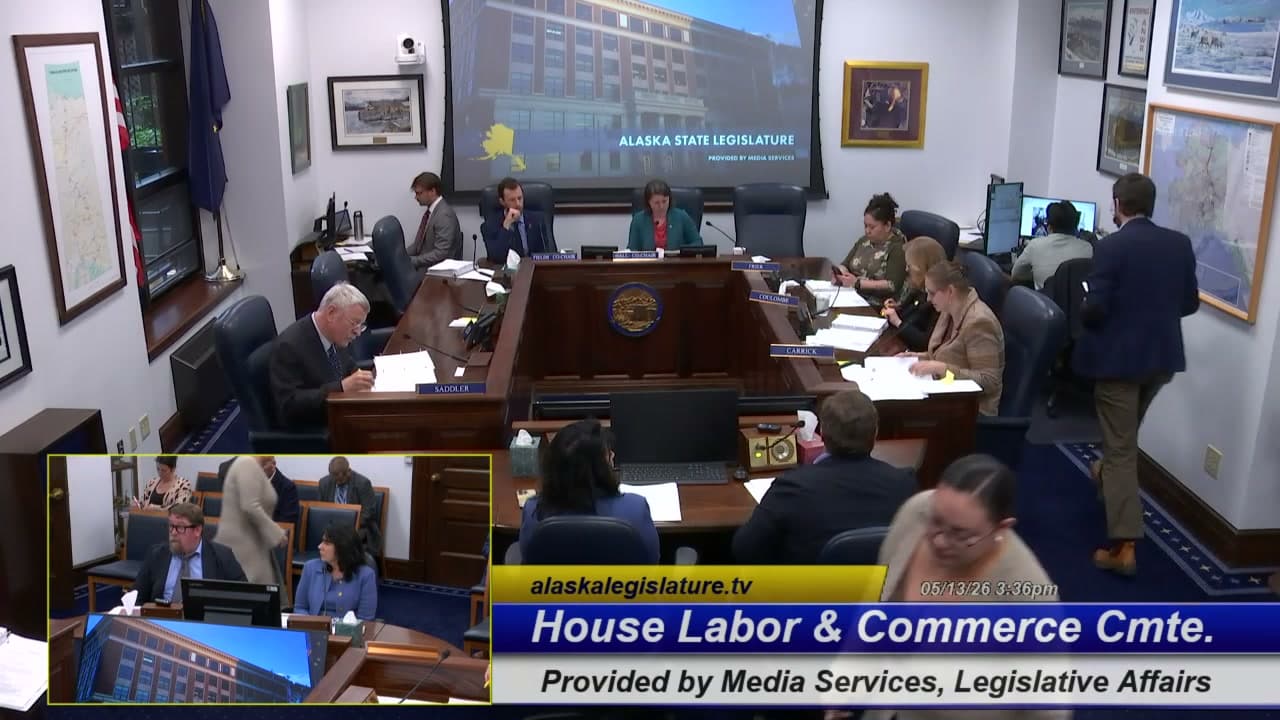
Members present were Representatives Ashley Carrick, Colombe, Freer, Co-Chair Fields, and Co-Chair Carolyn Hall.
This article is based on a public meeting — House Labor & Commerce, 5/13/26, 3:15pm ().
AI-assisted. How we use AI Transcript byLucas Brown
Stay informed. Support what matters.
Free, permanent access to local news you can verify. Subscribe to support Alaska News and go ad-free.
Related Coverage
Senate passes cryptocurrency kiosk consumer protection bill unanimously
Alaska News · 4mo ago
Wasilla Senator's Mother Scammed, Sparks Crypto Kiosk Crackdown
Alaska News · 4mo ago
House panel cuts cryptocurrency kiosk limits to protect seniors from scams
Alaska News · 5mo ago
Senator's Mother Scammed: Personal Loss Drives Crypto Kiosk Bill
Alaska News · 4mo ago
After a lawmaker's mom lost $8,000, Alaska cracks down on crypto scam kiosks
Alaska News · 2mo ago
Comments
Sign in to leave a comment.
No comments yet. Be the first to share your thoughts.